BYD’s global EV rise tests China’s car ambitions amid trade barriers
BYD’s scale, battery tech and overseas push show why China’s EV champion is forcing a global response, even as tariffs limit access in the U.S.
What a BYD test drive reveals
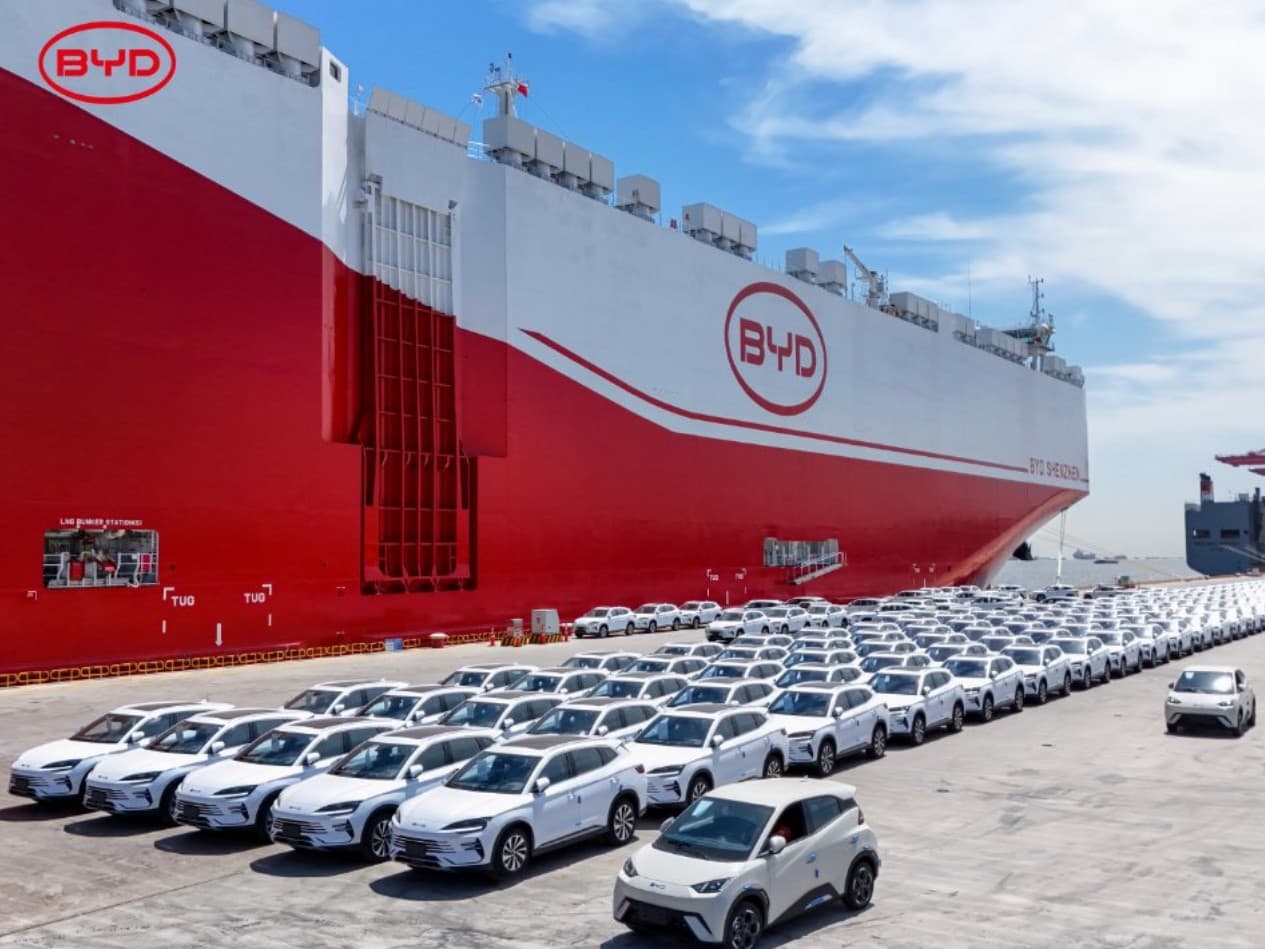
A drive in a BYD electric vehicle makes one thing clear: this is no longer a local Chinese upstart, but a company trying to set the pace for the global EV market. Founded in 1994 and based in Shenzhen, Guangdong Province, BYD began as a battery company and has grown into a sprawling industrial group spanning automobiles, rail transit, renewable energy and electronics.
That scale matters because BYD is now operating on an industrial level few automakers can match. The company reported 4.27 million vehicle sales in 2024 and revenue of 777.1 billion yuan, while also saying net profit attributable to shareholders reached 40.25 billion yuan. It also said it became the first automaker worldwide to produce its 8 millionth new energy vehicle on July 4, 2024, a milestone that underscores how fast the company has moved from domestic challenger to global force.
Why BYD’s technology stack matters
The car itself is only part of the story. BYD has built its EV identity around three core technologies: the Blade Battery, e-Platform 3.0 and dual-mode hybrid power technology. Those systems are central to how the company sells its vehicles, because they promise a tightly integrated package rather than a vehicle assembled from disconnected parts.
That integration helps explain why BYD has been able to scale quickly without relying on imported cachet or luxury pricing. When a company controls its battery architecture, vehicle platform and hybrid system, it can push cost, packaging and manufacturing efficiency in ways that competitors often cannot. For global consumers, that combination can translate into a car that feels more advanced than its price suggests, which is exactly the kind of value proposition that has helped Chinese EV makers gain attention abroad.
The global footprint is already wide
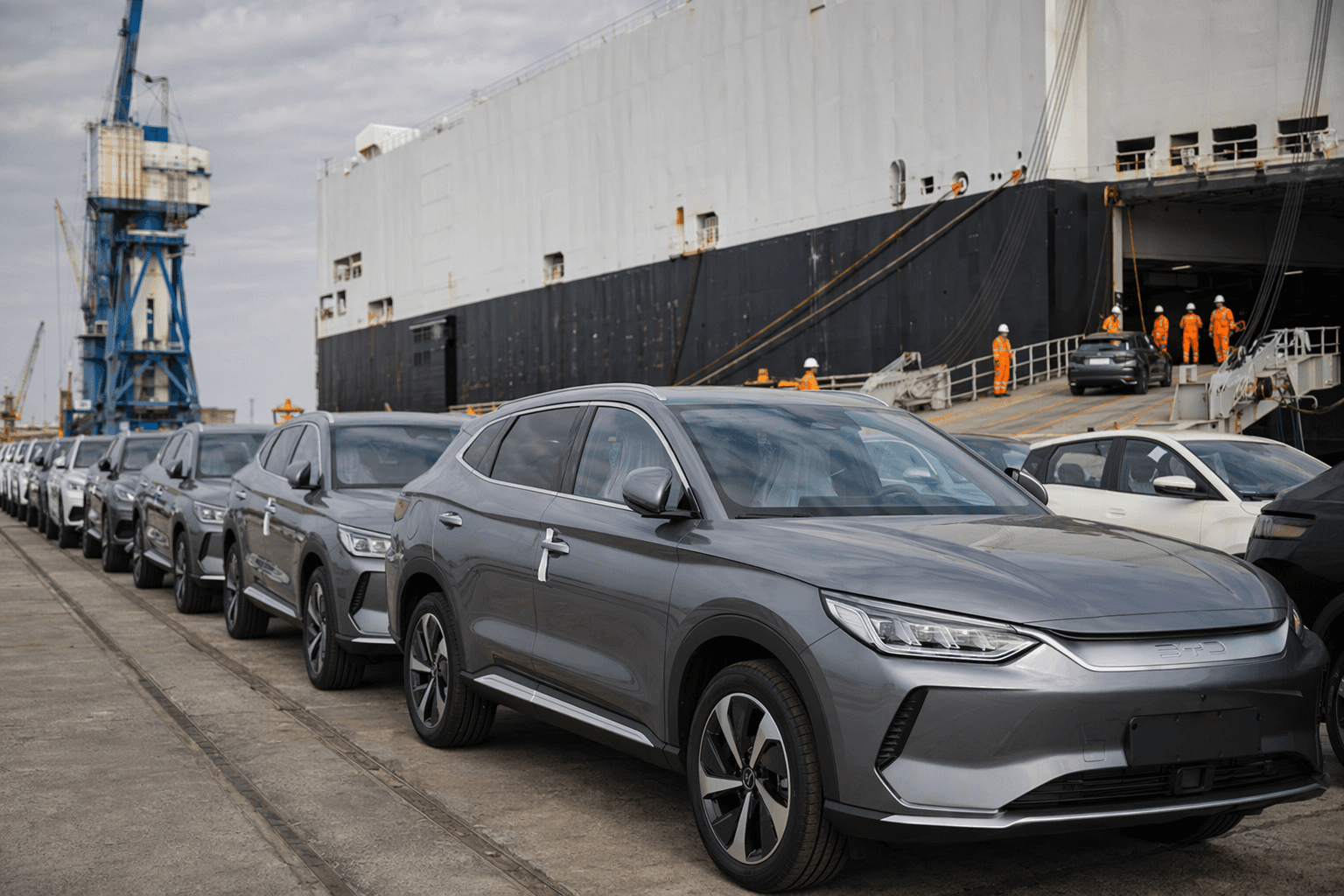
BYD says its passenger vehicles are sold in 102 countries and regions, and its new energy vehicles are present in 112 countries and regions worldwide. That reach is important because it shows the company is no longer dependent on one market or one policy environment. Instead, BYD is building an international business that can absorb shocks in one region by growing in another.
The company’s overseas momentum helps explain why its rise has become a broader industrial story, not just a product story. A manufacturer that can sell millions of vehicles, cross 100 markets and keep expanding is changing the benchmark for what mass-market EV competitiveness looks like. In that sense, BYD has become a reference point for every legacy automaker trying to judge how quickly the transition away from internal combustion can be commercialized.
Trade barriers are reshaping the fight
The hardest market for BYD remains the United States, where Chinese-made EVs are effectively shut out by tariffs and restrictions. That matters because it keeps one of the world’s most lucrative auto markets largely closed to a company that is otherwise expanding aggressively. It also means American consumers are not seeing the full force of Chinese price competition, at least not in the showroom.
Europe has offered a different kind of challenge. In 2024, the European Union raised tariffs on Chinese-built EVs, including a 17 percent tariff on BYD vehicles, which has raised the cost of selling directly into the bloc. Those barriers do not erase BYD’s advantage, but they do force the company to adapt its playbook, shifting attention from simple export growth to local production, logistics and political positioning.
Why Hungary matters as much as the car
BYD’s response has included plans for European manufacturing, including a Hungary plant that has been announced for production in the coming years. That move is more than a corporate expansion update. It is a sign that the next phase of the EV race may be decided not only by battery chemistry and vehicle software, but by where companies build and how they navigate trade policy.
Local production can soften tariff pressure and improve BYD’s ability to compete on price in Europe. It can also help the company present itself less as an import threat and more as an industrial investor, creating jobs and supply-chain links inside Europe. For regulators, that creates a tougher balancing act: protect domestic industry without blocking the very investment needed to accelerate electrification.
What it means for consumers and rivals
For consumers outside the United States, BYD’s rise increases the odds of getting more EV choice at lower price points, especially in markets where Chinese brands can compete on value. The company’s combination of scale, battery know-how and fast product development gives it a structural advantage in a segment where cost and range still drive most buying decisions. Even when the driving experience is the first thing noticed, the real story is the manufacturing machine behind it.
For rivals, especially Tesla and legacy automakers in Europe, Japan and the United States, BYD is a warning that EV competition is becoming less about brand recognition and more about industrial execution. The company’s 2024 revenue of 777.1 billion yuan and sales of 4.27 million vehicles show it is no longer operating at the margins of the industry. It is building the kind of scale that can pressure pricing, squeeze margins and force competitors to rethink their own supply chains.
The bigger lesson for China’s car ambitions
BYD’s rise is also a test of China’s broader auto ambitions. A company that started in batteries and now sells vehicles in more than 100 markets has become proof that Chinese manufacturers can move from component suppliers to global platform builders. The 8 millionth new energy vehicle was not just a production milestone; it was evidence that China’s EV strategy is producing companies large enough to challenge the industry’s old hierarchy.
Trade barriers may slow the spread, but they have not stopped the momentum. If anything, they are pushing BYD toward a more complex global strategy, one that mixes exports, overseas manufacturing and relentless product development. That is why the company matters now: it is not merely selling cars, it is testing how much of the global EV future can be shaped by China, and how much resistance that future will meet.
This article was produced by Prism’s automated news system from verified source data, official records, and press releases, then run through automated quality and moderation checks before publishing. The system is built and supervised by the people who set the standards it runs under. Read our full AI policy.
Did this article answer your question?

