Walmart to cut or relocate 1,000 corporate jobs in AI overhaul
Walmart is moving about 1,000 corporate jobs into a tighter AI structure, shifting work to Bentonville and Northern California as it races to streamline operations.

Walmart is cutting or relocating about 1,000 corporate jobs as it folds more of its global technology and AI product teams into one structure, a sign that its AI push is reshaping who works where, not just what gets automated.
The affected employees have been told they can apply for other open roles inside the company, but many are being asked to move to Bentonville, Arkansas, or to offices in Northern California. The changes concentrate more talent around Walmart’s main operating hubs even as the retailer expands its technology ambitions, showing that AI has become a reason to centralize decision-making as much as a tool for automation.
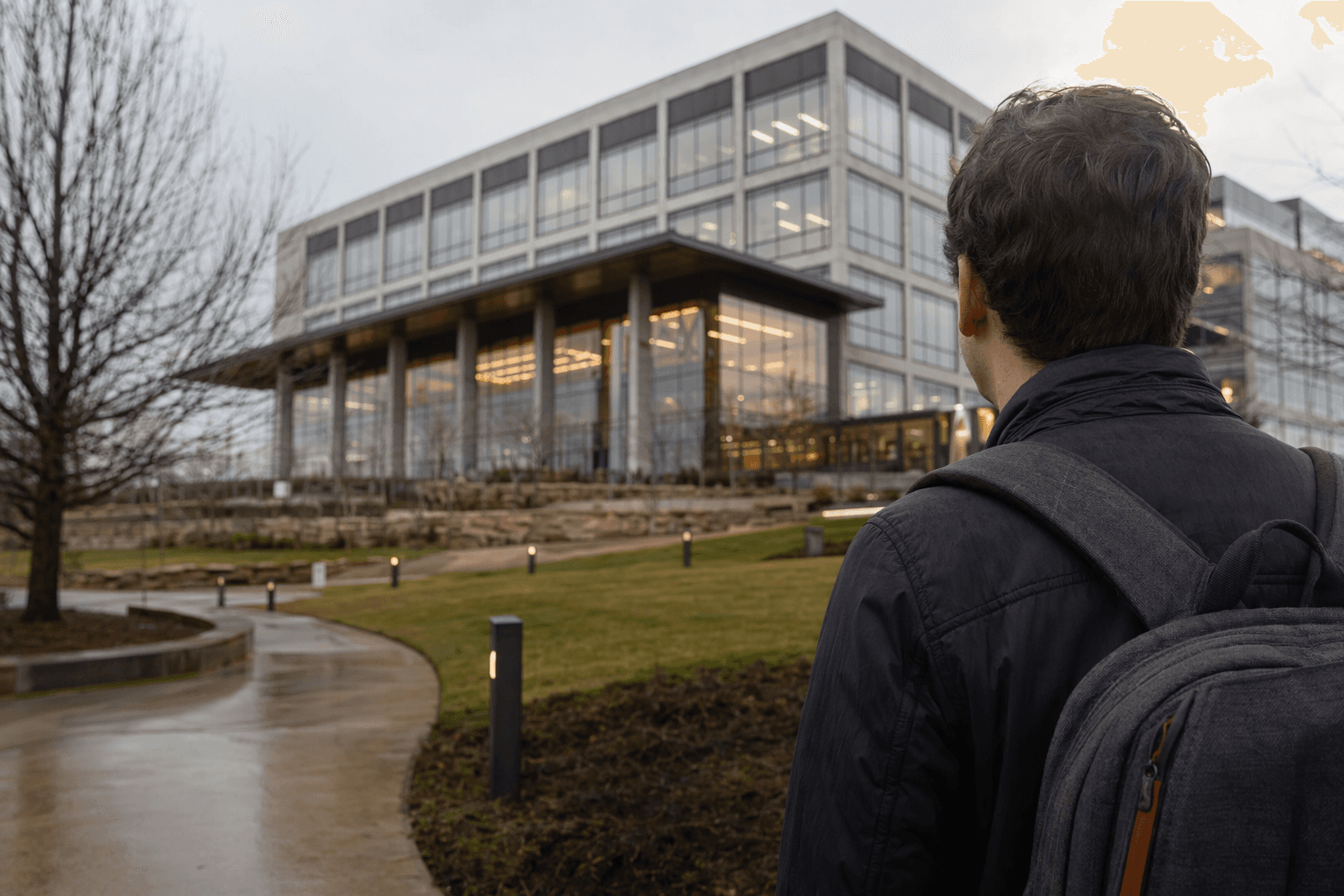
The internal review was led by Daniel Danker, who heads global AI acceleration, and Suresh Kumar, Walmart’s global technology chief. Their conclusion was that some teams should be streamlined to operate more efficiently, a move that fits Walmart’s effort to reduce fragmentation across product development, shopping tools and back-end systems. Under chief executive John Furner, the company has been pushing faster digital execution as it tries to compete more directly with Amazon, Costco and Aldi.
The shift comes after Walmart publicly rolled out four AI “super agents” in July 2025, a strategy meant to tie together shopping, store operations, supplier and seller tools, and software development. Walmart has framed those systems as a way to make operations less scattered, and the latest restructuring suggests that logic is now reaching corporate staffing. In practice, that means AI is not simply replacing tasks. It is also reorganizing teams, redrawing office geography and removing layers that Walmart now sees as redundant.
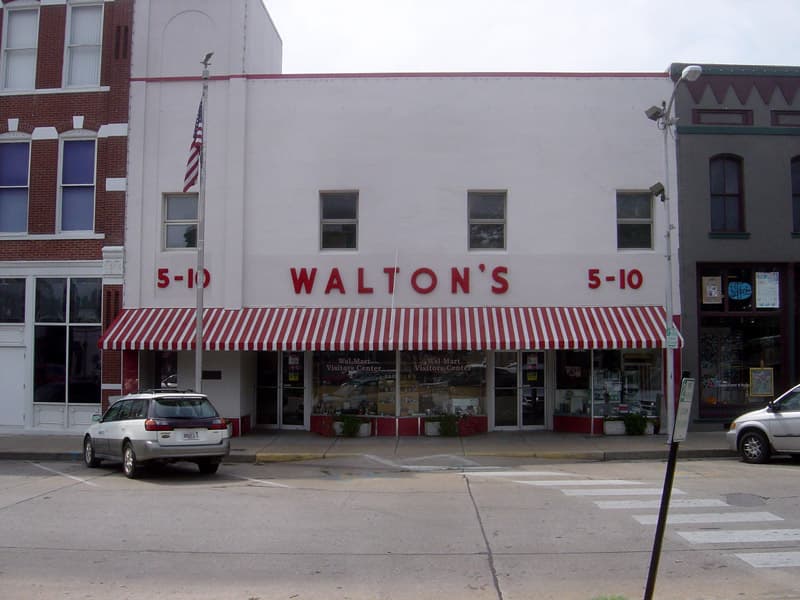
The scale matters because Walmart is the largest private employer in the United States, with about 1.6 million workers. A cut or relocation of 1,000 corporate jobs is a small share of that workforce, but it is a meaningful signal for white-collar labor across the country: AI-driven change is increasingly arriving through reorganizations, relocation demands and consolidation of specialized roles, not just through headline-grabbing automation. Walmart’s effort to close the technology gap with Amazon, whose Rufus shopping assistant has set a benchmark in retail tech, shows how quickly AI has moved from experiment to corporate restructuring tool.
This article was produced by Prism’s automated news system from verified source data, official records, and press releases, then run through automated quality and moderation checks before publishing. The system is built and supervised by the people who set the standards it runs under. Read our full AI policy.
Did this article answer your question?

