Cactus blooms brighten Scottsdale’s McDowell Sonoran Preserve this spring
Cactus blossoms are lighting up Scottsdale’s preserve, a seasonal display that also underscores why protected desert land matters as heat and growth intensify.

A spring burst in the Sonoran Desert
Cactus blooms are bringing color to the McDowell Sonoran Preserve in Scottsdale, a protected desert landscape where spring flowering offers both a visual reward and a reminder of how fragile desert ecosystems can be. The preserve stretches across more than 200 miles of trails and is managed in partnership with the McDowell Sonoran Conservancy, giving this corner of the Sonoran Desert a rare mix of public access and long-term stewardship.
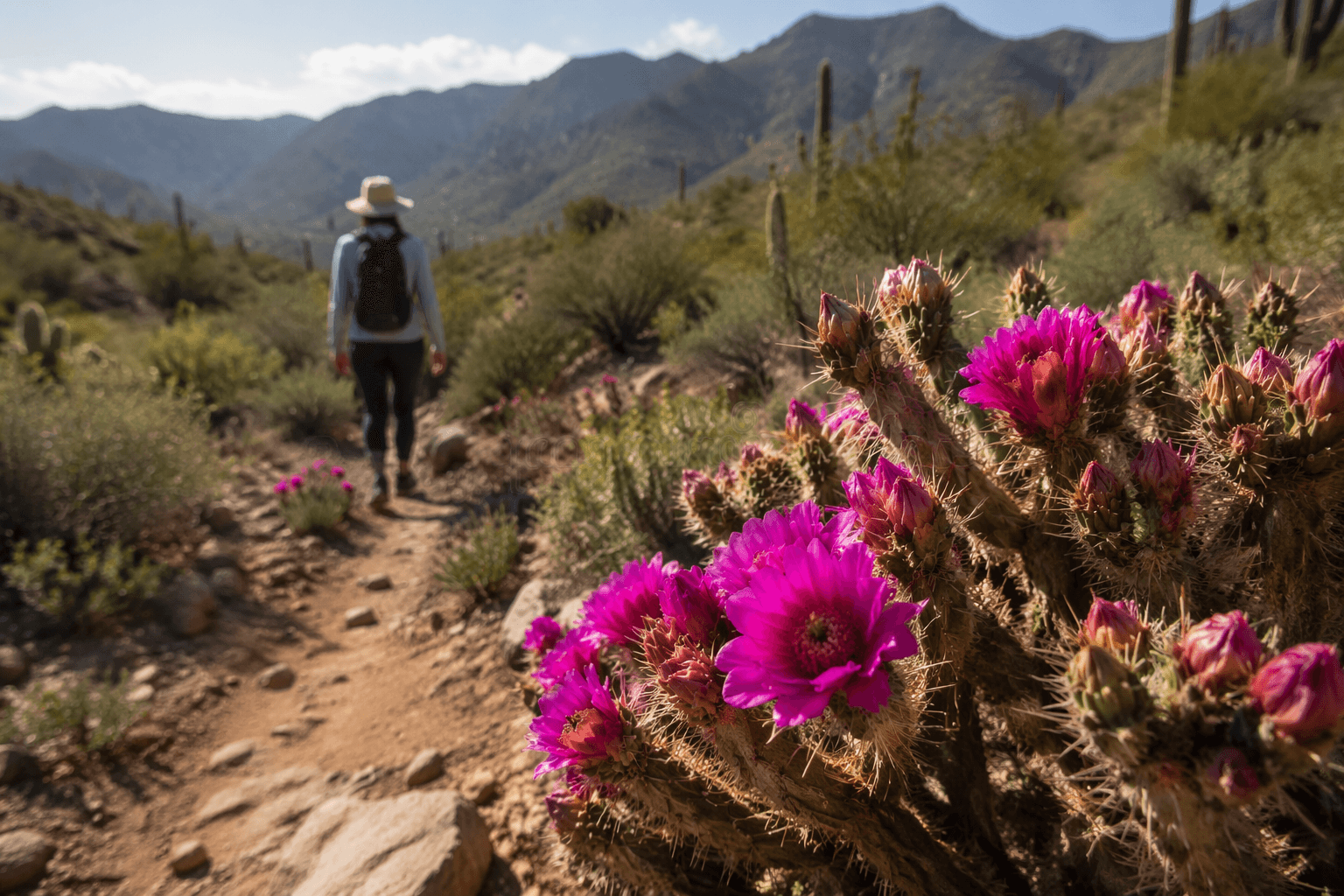
The blooms are more than a pretty seasonal moment. In a metro area shaped by heat, drought, and steady urban growth, the preserve stands as a living buffer, a place where native plants, pollinators, wildlife, and hikers can still share a landscape that has not been paved over. That makes the spring display feel civic as well as scenic: a preserved desert edge on the map, and a public statement about what Scottsdale chooses to protect.
When the desert flowers
Spring bloom season in the Sonoran Desert usually runs strongest from mid-March to late April, though the broader flowering window in the Arizona Upland subdivision extends from mid-February to mid-June. Rainfall and temperatures shape how much color appears and how long it lasts, which means no two springs are exactly alike.
That variability is part of the draw. The preserve is one of the most reliable wildflower-viewing spots in the Scottsdale area, and cactus flowering often becomes a seasonal signal for hikers and nature watchers who know to look for it. The timing also matters for conservation, because bloom cycles reflect conditions on the ground: winter rains, warming temperatures, and the stress that desert plants absorb in a region where climate pressures are already making survival harder.
Why this preserve matters
The McDowell Sonoran Preserve is not just scenic open space. It is part of the infrastructure that helps Scottsdale retain a sense of place as development pushes outward and the desert city keeps growing. More than 200 miles of trails give residents and visitors a way to experience native habitat without fragmenting it, while the McDowell Sonoran Conservancy works with the City of Scottsdale to help ensure a safe and enjoyable visit.
That partnership matters because conservation in a fast-growing desert city is never just about scenery. It is about land use, access, wildlife corridors, public health, and who gets to enjoy protected spaces in the first place. Trails and trailheads create access, but they also require rules, maintenance, interpretation, and community support if the landscape is going to remain intact for future seasons.
The City of Scottsdale says the preserve includes trail maps, hiking and biking information, safety guidelines, regulations, accessibility details, volunteer opportunities, and resources designed to help people explore and protect the desert responsibly. In practice, that makes the preserve both a recreational destination and a model for how local government and conservation groups can share responsibility for public land.
Where the blooms tend to stand out
Some parts of the preserve are especially well known for spring color. Popular bloom-viewing areas include Taliesin Overlook, Marcus Landslide Trail, Cone Mountain Loop, and the Granite Mountain Trailhead area. Those spots draw attention because they combine wide desert views with the kind of native plant life that makes bloom season feel vivid even in a dry landscape.
The preserve’s trail system also extends through well-known access points such as Lost Dog Trailhead, Tom’s Thumb Trailhead, Brown’s Ranch Trailhead, and Granite Mountain Trailhead. Together, these trailheads help distribute visitors across a large protected area, which can reduce pressure on any one segment of the desert while giving hikers multiple ways to experience the spring display.
A thoughtful visit means paying attention to the terrain as much as the flowers. Desert blooms can appear along exposed ridges, in washes, and beside popular routes, but the point is not to chase every blossom off-trail. The value of the preserve lies in the whole landscape, not just the most photogenic patches.
Rules that protect the landscape
The preserve’s regulations are clear: electric bikes, electric scooters, motorized bicycles, and other non-self-propelled vehicles are prohibited on preserve trails. That restriction is not a minor technicality. In a habitat where soil crusts, native plants, and wildlife all depend on low-impact use, keeping trails free of motorized traffic helps preserve the very conditions that make the cactus blooms possible.
Those rules also reflect a broader social question about public space. Protected landscapes near growing cities work best when access is balanced with restraint, because once a fragile desert trail system is damaged, the harm can be difficult or impossible to reverse. In that sense, compliance is part of the conservation ethic, not separate from it.
For visitors, the preserve offers a rare chance to enjoy spring without leaving city limits far behind. For Scottsdale, it offers something equally important: a visible commitment to keeping open space, native ecology, and public access connected. As the blooms brighten the trails, the larger message is unmistakable. In a desert city under pressure, protected land is not a luxury. It is part of the civic foundation.
This article was produced by Prism’s automated news system from verified source data, official records, and press releases, then run through automated quality and moderation checks before publishing. The system is built and supervised by the people who set the standards it runs under. Read our full AI policy.
Know something we missed? Have a correction or additional information?
Submit a Tip