Honda recalls nearly 100,000 vehicles over faulty airbag sensor
Honda is recalling 98,892 vehicles after a humidty-linked sensor fault could fire front airbags when they should stay off, including cars with child seats.
Owners of nearly 100,000 Honda and Acura vehicles need to check whether their car is on the list and, if it is, schedule a free sensor replacement before the front passenger airbag system is put at risk. The recall covers 98,892 vehicles in the United States across model years 2016 through 2026, including the Civic, Accord, Accord Hybrid, Civic Hatchback, Civic Type R, CR-V, CR-V Hybrid, Pilot, Ridgeline, Odyssey, Fit, HR-V, Passport, Insight, Acura TLX, Acura RDX and Acura MDX.
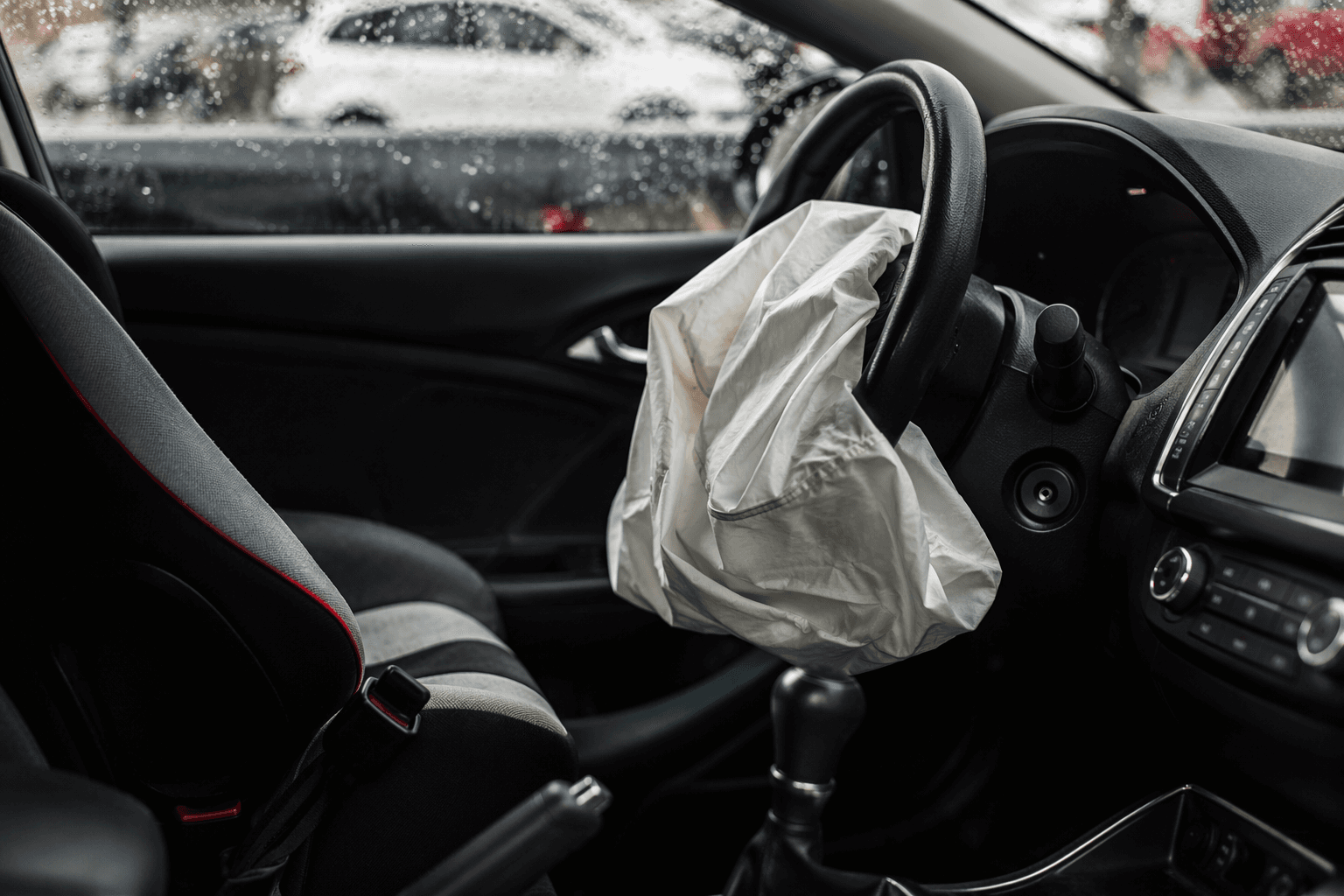
Honda said the problem sits in the front passenger seat weight sensor. A capacitor on the sensor’s printed circuit board can crack after exposure to humidity, creating a short circuit. In a crash, that defect could cause the front passenger frontal and knee airbags to deploy when they should be suppressed, including when the seat is occupied by an infant in a child seat, a child or a smaller adult. Honda said owners will be notified by mail and told to take the vehicle to an authorized Honda or Acura dealer for a free replacement with a nondefective part. Notification letters are expected to begin July 6, 2026.
The company said it had received 228 warranty claims as of May 14, 2026, but reported no injuries or deaths in the United States linked to the defect between Feb. 4, 2021, and Oct. 30, 2025. The recall expands an earlier Honda and Acura action announced on Feb. 1, 2024, and it lands with particular force because it involves the same basic safety logic that has long defined modern airbag systems: detect who is in the seat, then decide whether to deploy.
That makes the issue larger than a single faulty part. Honda’s latest action points to a recurring pressure point in auto safety oversight, where supplier components, environmental exposure and software or sensor calibration can intersect in ways that are hard to catch until claims accumulate. Honda Canada issued a separate notice saying the same sensor problem stemmed from a capacitor that could crack because of environmental humidity, reinforcing the technical cause behind the U.S. recall.
The National Highway Traffic Safety Administration says recalls are issued when a vehicle or equipment creates an unreasonable safety risk or fails to meet minimum safety standards, and owners can check recalls by vehicle identification number. For Honda, the latest action adds another chapter to a long airbag history shaped by the Takata crisis and raises the same fundamental question for regulators and manufacturers alike: whether the industry is fixing isolated defects, or still chasing a pattern of weak points that keeps resurfacing inside the safety systems meant to protect passengers.
This article was produced by Prism’s automated news system from verified source data, official records, and press releases, then run through automated quality and moderation checks before publishing. The system is built and supervised by the people who set the standards it runs under. Read our full AI policy.
Know something we missed? Have a correction or additional information?
Submit a Tip