California man pleads guilty in $16 million Medicare hospice fraud scheme
A Winnetka man admitted laundering more than $4.6 million as investigators traced nearly $16 million in sham hospice billing across California.
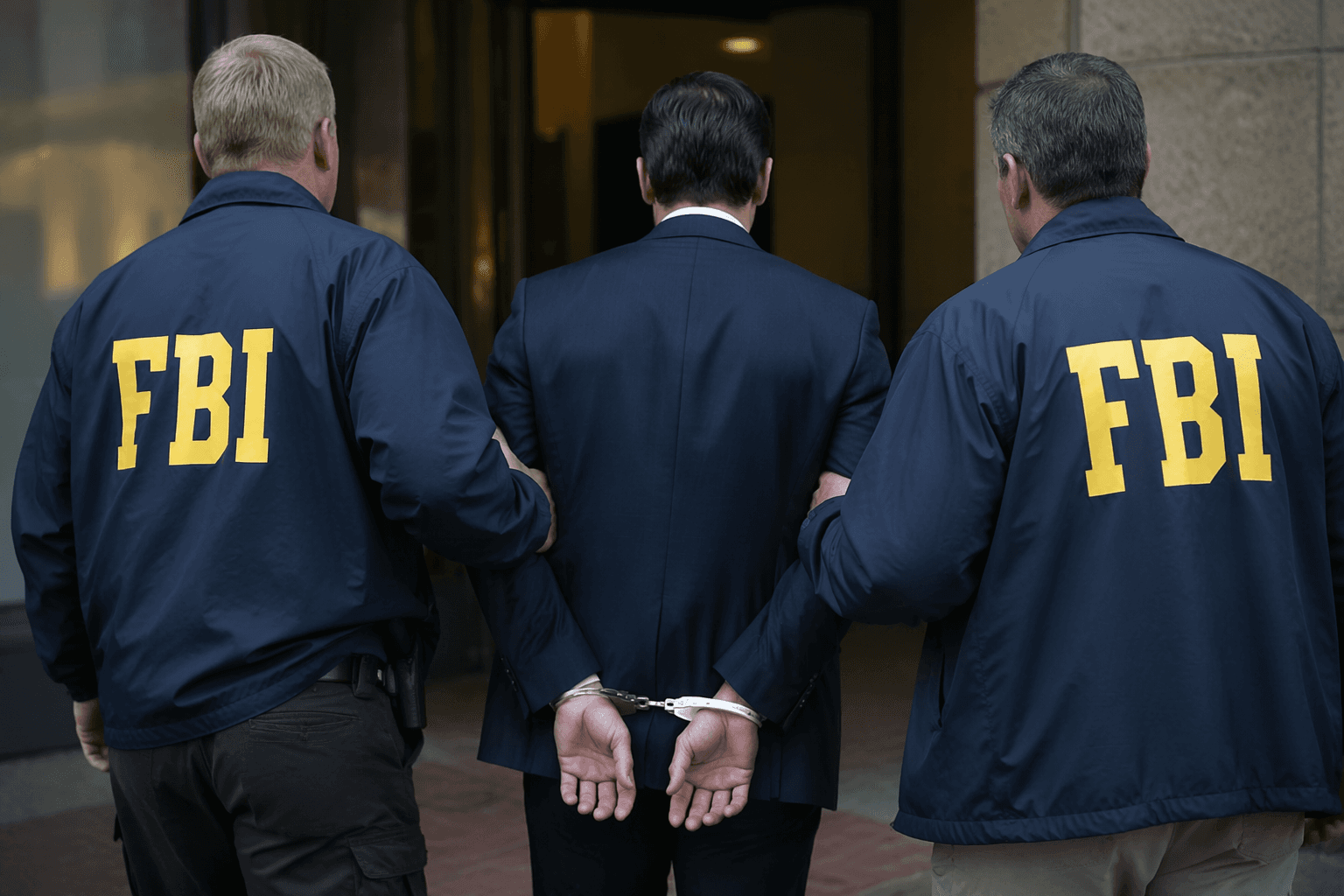
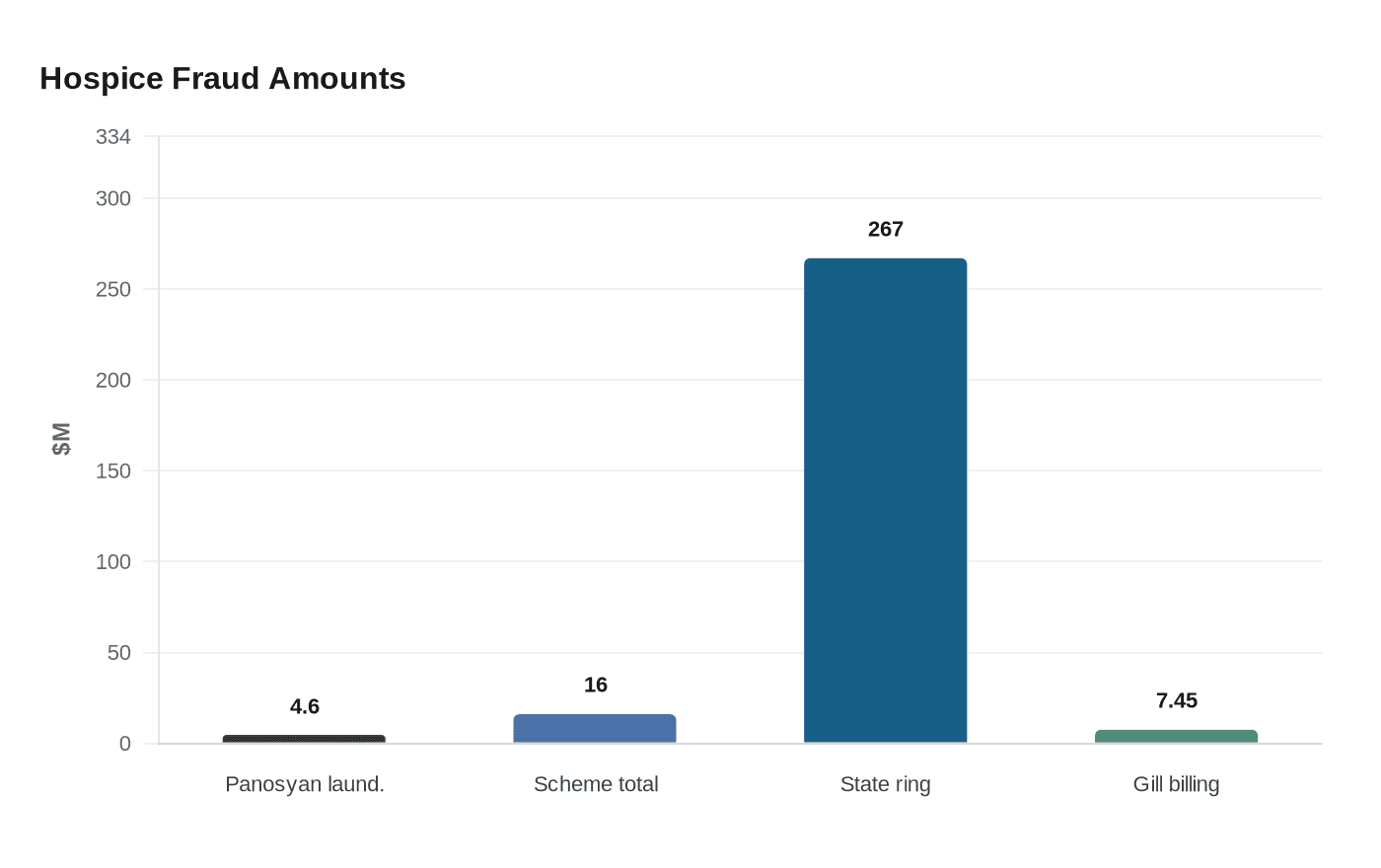
A Winnetka man admitted laundering more than $4.6 million in a Medicare hospice scheme that federal authorities said siphoned nearly $16 million through sham companies and exposed how easily fake providers could move taxpayer money through weak billing controls.
Mihran Panosyan pleaded guilty on June 23, 2025, in one of the largest medical fraud cases in California history. Federal officials said the case centered on years of bogus hospice billing, with money routed through multiple accounts before being spent. The U.S. Department of Justice and the HHS Office of Inspector General described the matter as a major health care fraud investigation built around sham hospice companies rather than legitimate patient care.
The Panosyan plea sits inside a much broader California crackdown on hospice fraud that has now widened into one of the state’s most aggressive enforcement pushes in years. On April 9, 2026, California Attorney General Rob Bonta and the California Department of Health Care Services announced charges against 21 suspects in a separate hospice fraud ring that investigators said defrauded the state of $267 million through Medi-Cal. Authorities said Operation Skip Trace led to arrests after searches at 10 Southern California locations, and investigators recovered two handguns and more than $757,000 in cash.
That larger case showed the same pattern that made the Panosyan matter possible: shell hospice operations, false identities, and billing systems that allowed claims to keep flowing long after the underlying care should have been scrutinized. California officials said the 2026 scheme involved 14 hospice companies and used stolen identities to bill for bogus services, a reminder that the fraud was not limited to one operator or one company but to a network built to exploit gaps in verification and oversight.
CBS News has also reported on related cases that underscore how abnormal outcomes helped expose the abuse. In one FBI case, a married couple, Gladwin Gill and Amelou Gill, were accused of billing Medicare for $7.45 million while running a hospice that reported a survival rate of more than 97% after five years. That kind of statistic stood far outside normal hospice patterns and helped investigators identify a business that appeared to be collecting federal money without delivering real end-of-life care.
The cases now unfolding in California show a system failure as much as a criminal one. Fraudsters were able to use sham hospices, stolen identities, and layered accounts to drain Medi-Cal and Medicare funds meant for vulnerable patients, while enforcement agencies are now left to unravel how long the schemes operated before the billing trails caught up with them.
This article was produced by Prism’s automated news system from verified source data, official records, and press releases, then run through automated quality and moderation checks before publishing. The system is built and supervised by the people who set the standards it runs under. Read our full AI policy.
Know something we missed? Have a correction or additional information?
Submit a Tip