Kennedy revives personal responsibility rhetoric in push to remake health policy
Kennedy is linking HHS policy to personal responsibility while the department prepares roughly 10,000 more layoffs after nearly 10,000 departures.

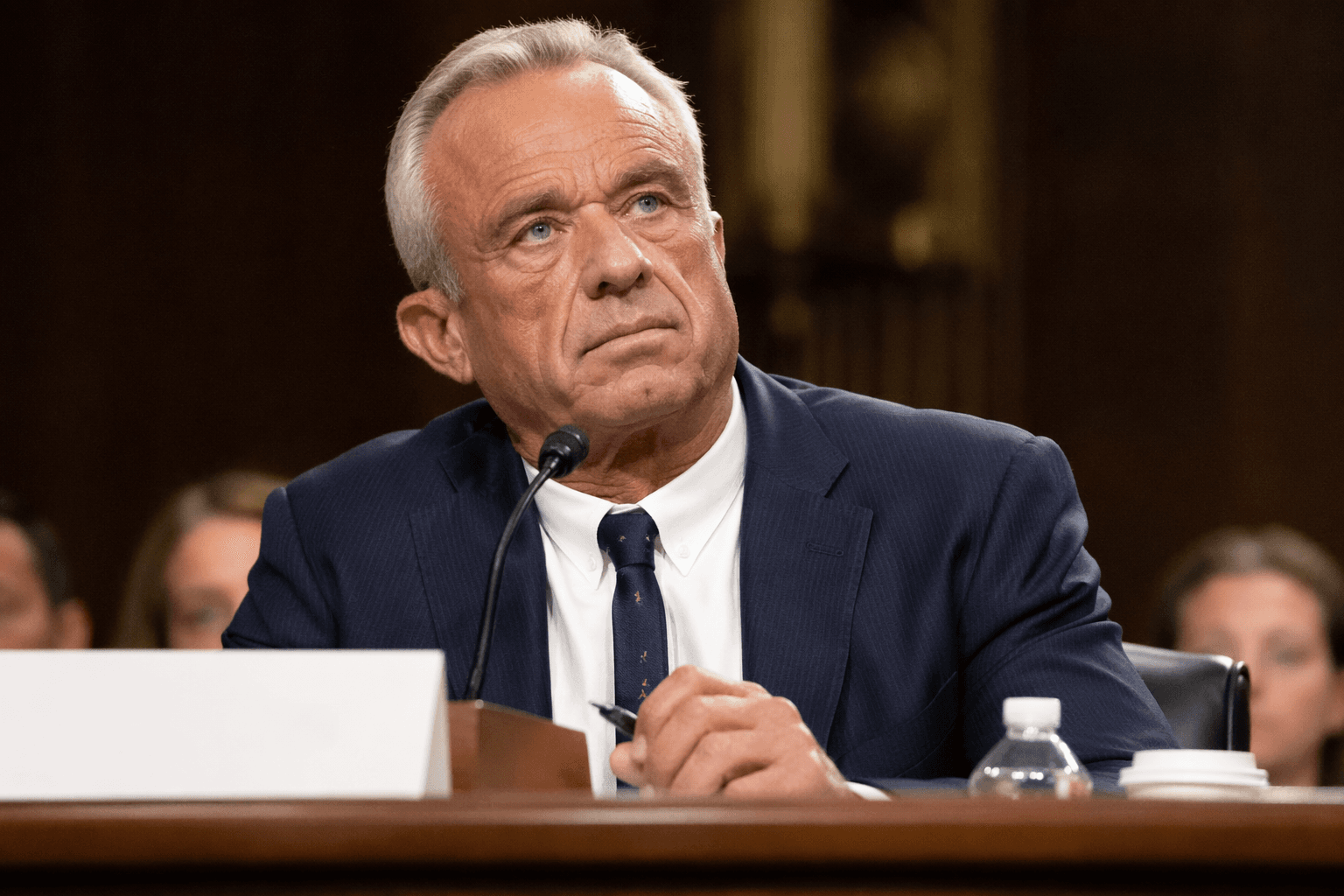
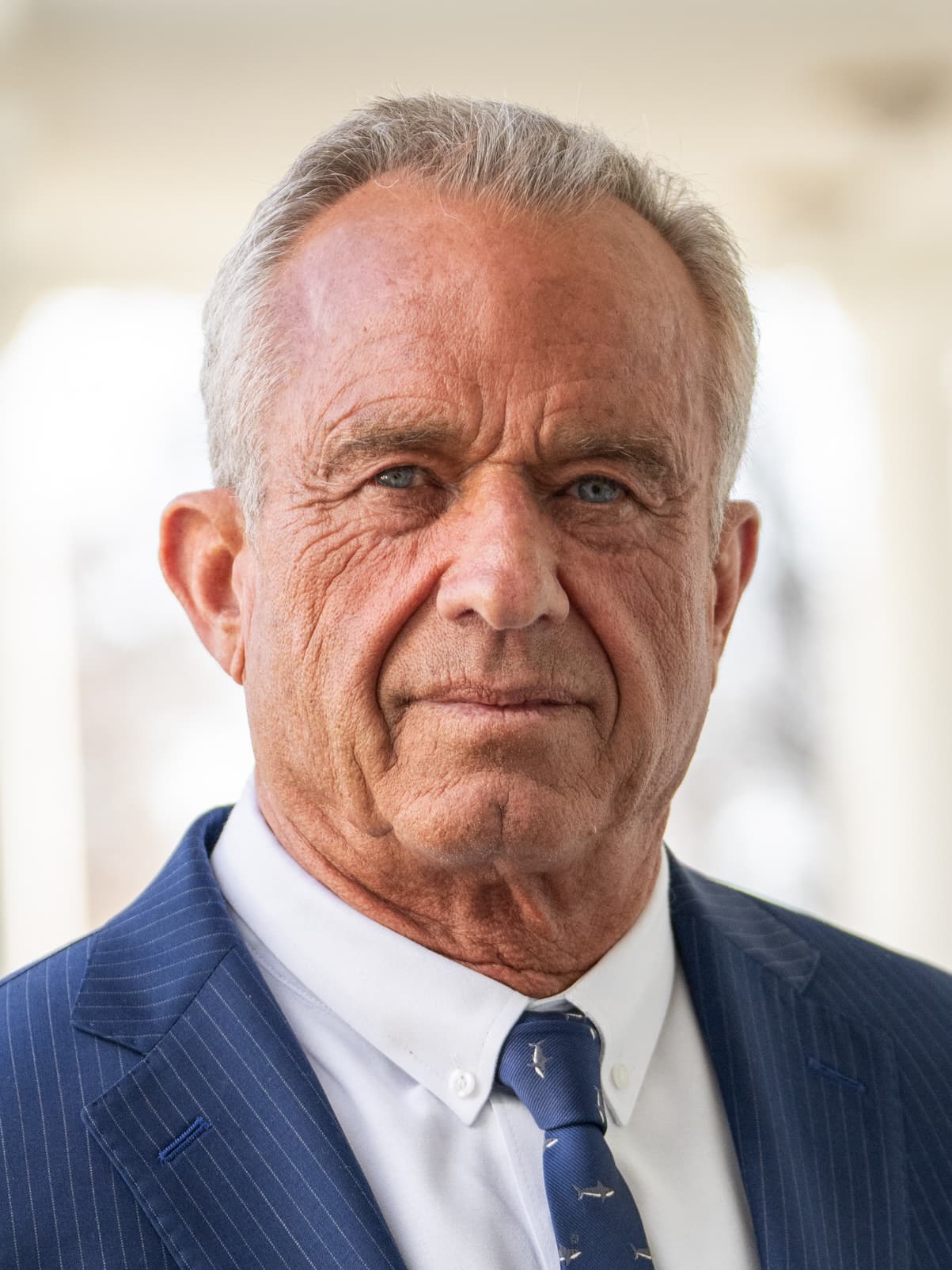
Robert F. Kennedy Jr. has recast the Department of Health and Human Services around personal responsibility even as the agency prepares to lose about 10,000 more workers after nearly 10,000 already left through voluntary separation programs. The push is unfolding inside a department that says it spends about $1.7 trillion a year and employs about 82,000 people across 28 divisions.
Kennedy became HHS secretary on February 13, 2025, and has wrapped his agenda in the language of “Make America Healthy Again” and “root causes.” But the policy consequences are already visible. By July 30, 2025, administration health officials were linking autism, ADHD, depression, diabetes and obesity to consumer behavior and lifestyle choices, a framing that public health advocates say can leave patients feeling blamed and can shape who gets covered, who gets treated and who gets turned away.
That shift matters most where chronic disease is already tangled with stigma. Kennedy said at an April 16, 2025 news conference that autism is preventable and rising because of toxic substances in the environment, a claim widely disputed by experts. The same logic also reaches obesity policy, where the Centers for Disease Control and Prevention describes obesity as a complex chronic disease influenced by many factors, including health behaviors, stress and medical conditions, and says it raises the risk of many serious diseases and long-term health problems.
Medical groups have spent years trying to move the health system away from shame-based messaging. In May 2025, the American Diabetes Association’s Obesity Association published first-of-its-kind guidance on reducing weight stigma in obesity care. The American Medical Association has also recognized the harms of stigma and bias against people with overweight or obesity, while CDC-oriented guidance has urged clinicians to shift toward patient-centered language and healthier behaviors.
The stakes are not limited to obesity. A blame-first frame can also shape vaccination policy, where officials who view illness as a matter of personal choices may be more willing to raise barriers for healthy people seeking COVID-19 shots. It can also spill into addiction treatment, where stigma often keeps people from asking for help and makes recovery look like a moral test instead of a medical process.
The political risk is especially acute for Black patients, who already have deep reasons to question the health system. Brookings Institution noted that senators revisited Kennedy’s false comments about Black people’s immune systems during his confirmation hearings and warned that such rhetoric could deepen mistrust among African American communities.
Kennedy’s overhaul of HHS is more than a staffing cut or a slogan campaign. It is a fight over whether federal health policy treats chronic illness as a matter of character or as a complex set of medical and social conditions that require care without blame.
This article was produced by Prism’s automated news system from verified source data, official records, and press releases, then run through automated quality and moderation checks before publishing. The system is built and supervised by the people who set the standards it runs under. Read our full AI policy.
Know something we missed? Have a correction or additional information?
Submit a Tip