Study finds 1 in 5 young people turn to AI for mental health advice
Nearly 8.2 million U.S. teens and young adults said they used AI for mental health help, and most never told anyone.
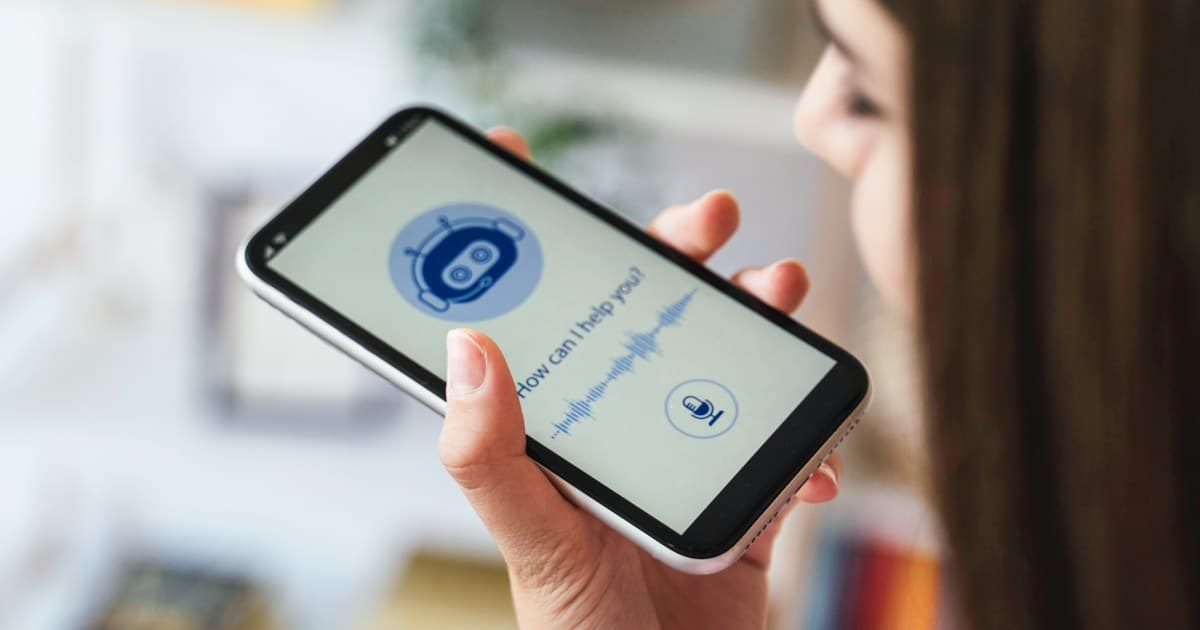
Nearly 1 in 5 adolescents and young adults in the United States said they had turned to AI chatbots for mental health advice or help, a jump that suggests a new layer in the youth mental-health access crisis. In a nationally representative survey of 1,058 people ages 12 to 21, 19.2% said they had used tools including ChatGPT, Gemini, Character.AI and Meta AI when they felt sad, angry, nervous or stressed, up from 13.1% in a similar RAND survey a year earlier. Researchers estimate the 2025 figure represents about 8.2 million young people nationwide.
The pattern was not just broad; it was quiet. Among those who used chatbots for help, 63% said they had not told anyone, and nearly 43% said they sought that advice at least monthly. Most users, 92%, said the advice was somewhat or very helpful. Use was more common among females than males and among young adults ages 18 to 21 than among younger teens ages 12 to 17, a split that points to different levels of trust, access and privacy concerns as young people move from family supervision toward more independent decision-making.

The findings land in a country where schools, clinics and insurers are still struggling to meet demand. CDC data cited in the broader discussion showed that 40% of high school students reported feeling so sad or hopeless in 2023 that they could not carry on usual activities. Separate 2024 data showed 15% of 12- to 17-year-olds had a major depressive episode, and about 40% received no mental health treatment. That gap helps explain why a teenager or college-age student might reach for an always-on chatbot before finding a therapist, waiting for an appointment or telling a parent, but it also raises a new safety question: whether convenience is filling a real void or masking one.
The research also found that young people who had spoken with a physician about their mental health in the prior six months were more likely to report using AI chatbots, suggesting that the tools are becoming part of the care-seeking landscape rather than a substitute for it. But the limits are stark. Researchers said AI chatbots are not regulated or licensed for mental health treatment, and a 2025 study found that none of more than two dozen chatbots gave an adequate response to someone at risk of suicide. The American Psychological Association urged Congress in September 2025 to establish guardrails for chatbots to protect young people, and the U.S. Senate Judiciary Committee held a hearing on chatbot harms the same month. The new study also flagged a racial disparity: Black respondents were less likely to say the advice was helpful, a sign that cultural competency gaps may already be shaping who gets useful guidance and who gets something far less reliable.
This article was produced by Prism’s automated news system from verified source data, official records, and press releases, then run through automated quality and moderation checks before publishing. The system is built and supervised by the people who set the standards it runs under. Read our full AI policy.
Know something we missed? Have a correction or additional information?
Submit a Tip