CEPI funds Moderna, Oxford, IAVI to speed Ebola Bundibugyo vaccines
CEPI put about $60 million into three Ebola Bundibugyo vaccine candidates as the outbreak topped 900 suspected cases and 220 suspected deaths.
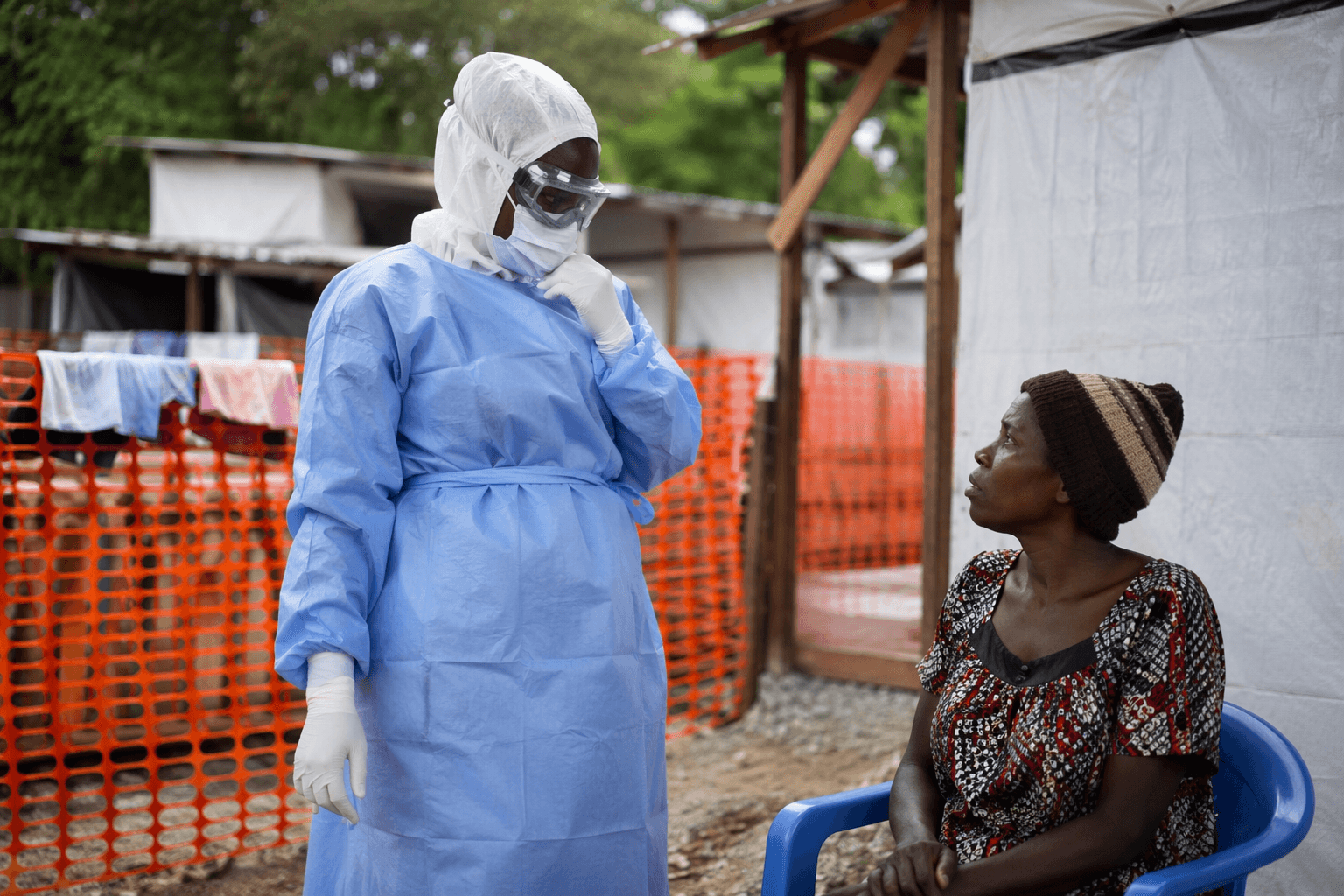
A $60 million push from CEPI is trying to turn post-COVID vaccine speed into a defense against Ebola Bundibugyo, a strain with no licensed vaccine or specific treatment. The financing backs investigational candidates from Moderna, IAVI and the University of Oxford, with Oxford’s candidate to be manufactured at the Serum Institute of India.
The money landed as the virus spread through eastern Democratic Republic of the Congo and neighboring Uganda, where the World Health Organization said the outbreak was confirmed in May 2026 and is unfolding amid humanitarian crisis, remoteness, dense population, insecurity, and heavy population and trade movements. CEPI said the outbreak had already produced more than 900 suspected cases and more than 220 suspected deaths, making it the third-largest filovirus outbreak in history.
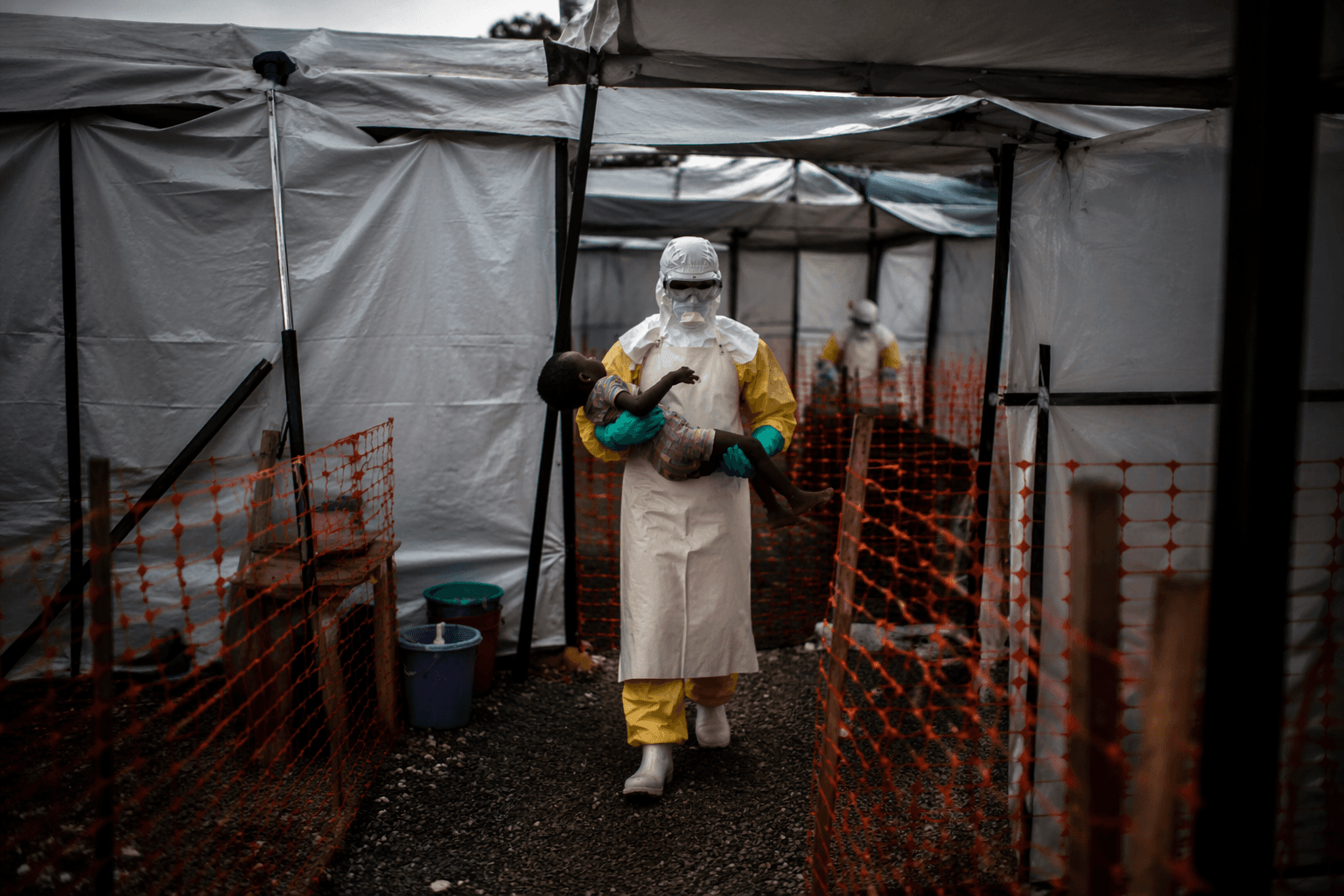
Richard Hatchett, CEPI’s chief executive, said the goal was to move vaccine candidates quickly enough for testing while the outbreak was still active. He said it may be possible to have candidates ready for trials within a couple of months and warned: “Every day counts in the race against this deadly disease.” The timing matters because WHO declared the outbreak a Public Health Emergency of International Concern on 17 May 2026, and Africa CDC followed with a Public Health Emergency of Continental Security on 28 May 2026.
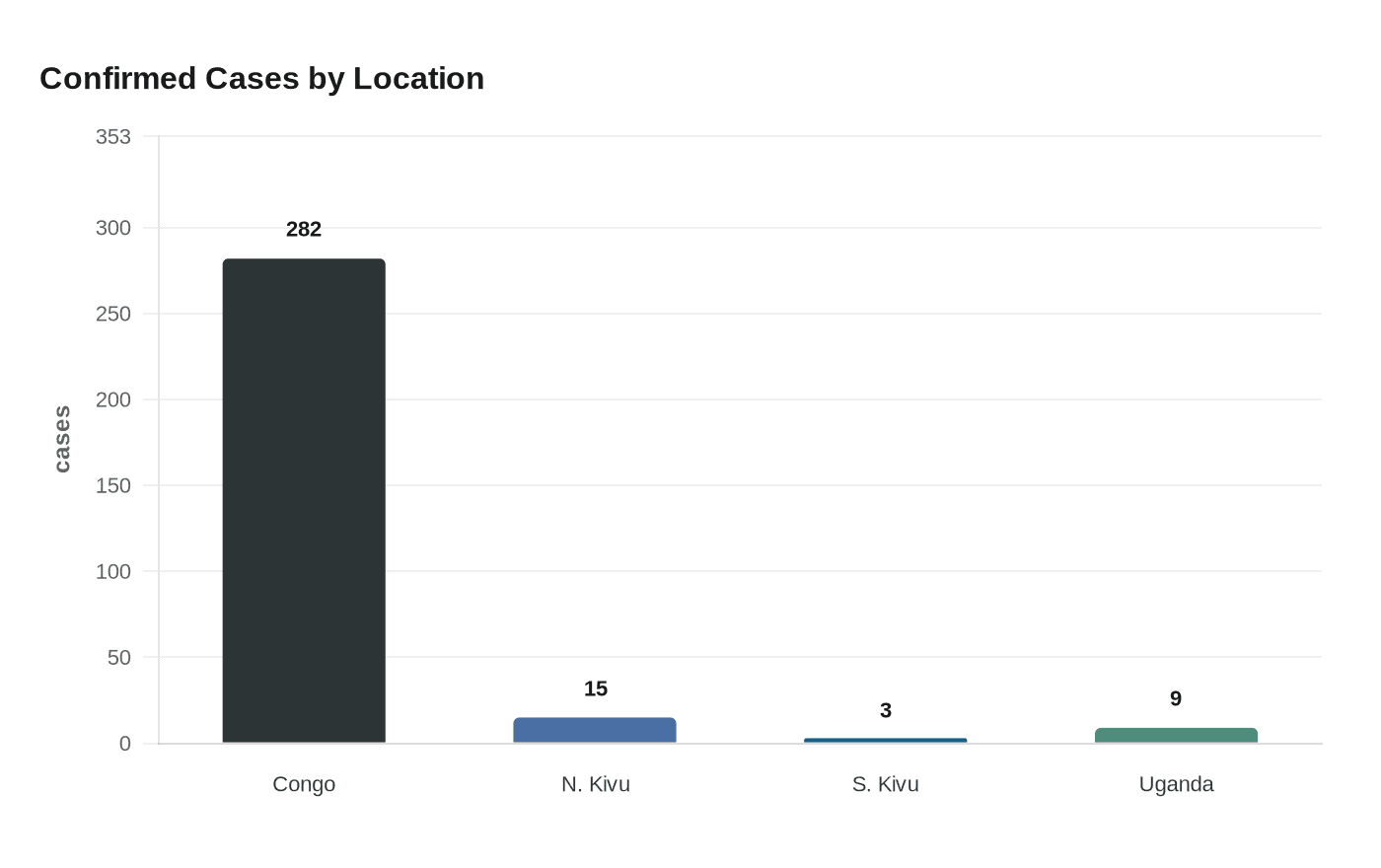
As of 1 June 2026, the European Centre for Disease Prevention and Control said Congo had 282 confirmed cases and 42 confirmed deaths, with Ituri the most affected province. ECDC also reported 15 confirmed cases in North Kivu and three in South Kivu. Uganda had nine confirmed cases and one death, including at least three cases linked to travel from Congo, showing how quickly cross-border movement can complicate control efforts.
The Bundibugyo strain has trailed other Ebola viruses in vaccine development because it has had fewer outbreaks and has not attracted the same sustained research investment, leaving no licensed products in hand when this flare-up began. The National Institute for Communicable Disease said previous outbreaks in 2007 and 2012 carried case fatality rates of 30% to 50%, and that the virus was first identified in Uganda in 2007. WHO said the response still depends on community engagement, contact tracing, surveillance, clinical readiness, supply delivery and cross-border preparation. For CEPI, the bet is that money can compress years of work into months before another outbreak crosses a line that health systems in Congo and Uganda cannot easily hold.
This article was produced by Prism’s automated news system from verified source data, official records, and press releases, then run through automated quality and moderation checks before publishing. The system is built and supervised by the people who set the standards it runs under. Read our full AI policy.
Know something we missed? Have a correction or additional information?
Submit a Tip