California seeks court order to block EPA from sending emissions waivers to Congress
California asked a federal judge to stop the EPA from sending its vehicle-emissions waivers to Congress, a move that could put 17 states’ standards at risk.

California filed suit in federal court in Washington, D.C., seeking a preliminary injunction to block the Environmental Protection Agency from sending its landmark vehicle-emissions waivers to Congress for possible repeal. The case pits California’s long-running authority to set tougher auto-pollution rules against a Trump administration effort to subject those waivers to the Congressional Review Act.
The lawsuit was filed in U.S. District Court in the District of Columbia after EPA on June 12, 2026, transmitted four California waiver rules to lawmakers. The rules cover standards for cars, trucks, lawn mowers and other equipment, and EPA treated them as having prospective national effects. California says that reading turns a decades-old waiver system into something Congress can erase with a simple vote.
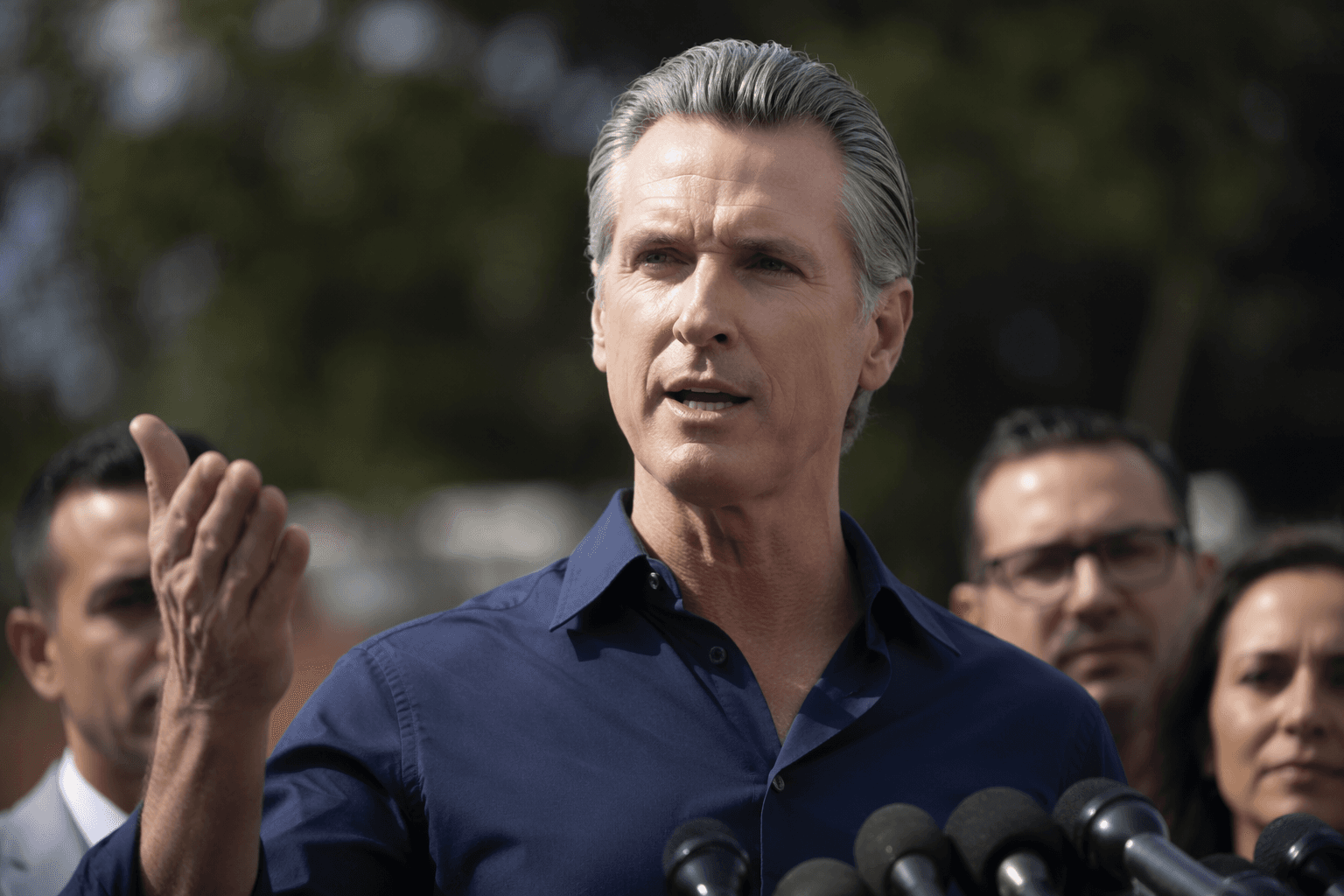
California has received about 75 waivers for emissions regulations over the last 60 years, and the state says that history reflects a parallel regulatory structure that Congress and the EPA have long accepted. California Attorney General Rob Bonta said the suit was California’s 72nd lawsuit against the second Trump administration.
The Congressional Research Service found that as of 2025, 17 states and the District of Columbia had adopted at least some California vehicle standards under Clean Air Act Section 177, which allows other states to follow California once a waiver is granted. That provision lets states adopt California’s motor-vehicle emissions standards instead of federal rules.
California’s Advanced Clean Cars II rule, adopted unanimously by the California Air Resources Board in August 2022, would require 100% of new passenger vehicles to meet zero-emission standards by the 2035 model year, including plug-in hybrids. California argues that if EPA can reclassify waivers as reviewable rules, the state’s standards and the standards of the states that follow them could be stripped away through a process Congress never used in this context.
In its filing, California said the first Trump administration tried “to blow a hole in this two-program structure,” and the state argues the second Trump administration now wants to tear it down completely. EPA said it was “not afraid of congressional review” and said it is following a statutory obligation by sending the waivers to Congress.
This article was produced by Prism’s automated news system from verified source data, official records, and press releases, then run through automated quality and moderation checks before publishing. The system is built and supervised by the people who set the standards it runs under. Read our full AI policy.
Did this article answer your question?