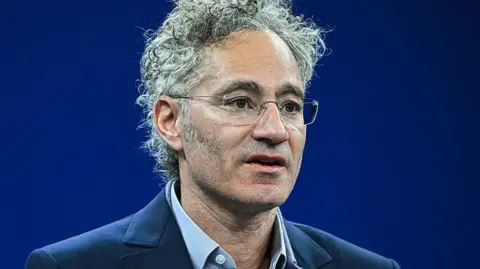
California voter ID initiative qualifies for November ballot in 2026
California voters will decide whether to require ID at the polls, turning a long-shot GOP cause into a national test in a deeply Democratic state.
A Republican-backed voter ID initiative cleared the California ballot, setting up a November 2026 fight that could reverberate far beyond Sacramento. The measure, led by San Diego Assemblymember Carl DeMaio, qualified after collecting more than 962,000 valid signatures, well above the roughly 875,000 needed to reach voters.
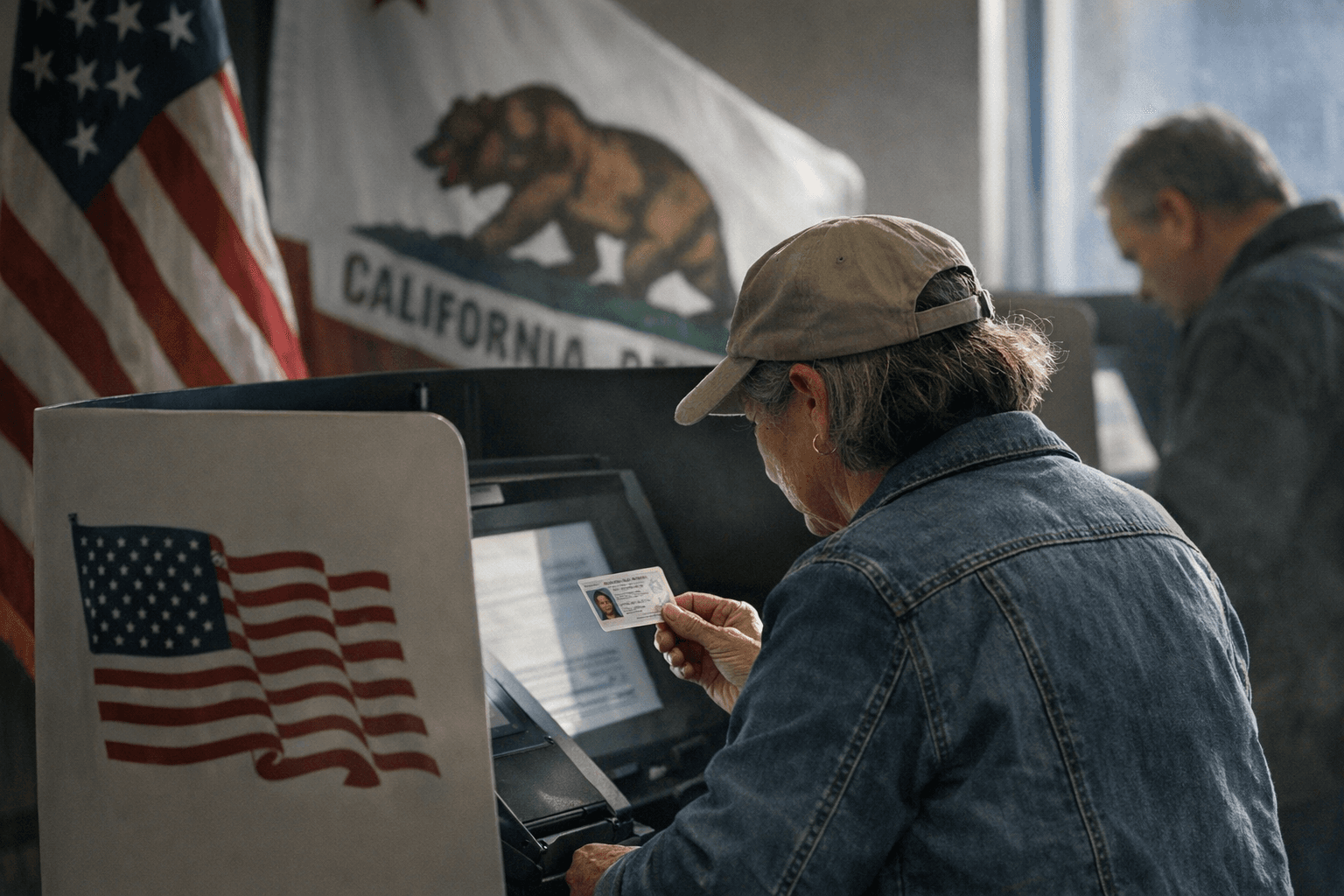
The proposal would require voters to show identification at polling places or include an identification number on mail ballots. It would also place county registrars in charge of verifying the citizenship of registered voters, a major expansion in a state that does not currently require ID at the polls. Supporters say the change would restore election integrity, improve citizenship verification and strengthen voter-roll audits. DeMaio framed the measure as a way to make voting rules tougher in California, where Republicans have long tried and failed to impose voter ID.
The issue reaches California as Donald Trump pushes Congress to approve the SAVE America Act, a sweeping elections bill with similar provisions. NBC News reported that California is one of 14 states, plus Washington, D.C., that do not require voters to show ID at the polls, even as lawmakers in a dozen states moved this year on proof-of-citizenship or voter-ID bills. That broader Republican effort has made California a symbolic target: if a voter ID measure can gain traction there, it could help normalize the idea in states where Democrats have been able to cast it as a fringe proposal.
The campaign already has the money to compete. Californians for Voter ID raised about $8.8 million last year, including a $4 million contribution in December from Republican megadonor Richard Uihlein, followed by roughly another $1 million in January and February. Backers said in early March they had gathered more than 1.3 million signatures, a sign of organizing strength that matched the early polling.

Public opinion has been unsettled. A March Berkeley Institute of Governmental Studies survey found 44 percent support, 45 percent opposition and 12 percent undecided when voters were shown the full measure and arguments. In a later IGS poll, support rose to 56 percent when respondents were asked about the ID proposal on its own, but fell to 39 percent when it was framed in partisan terms and tied to Democratic warnings that it was part of a Trump-backed effort to suppress voters of color.
Opponents, including California’s most powerful labor unions, are preparing an aggressive campaign against the measure. Voting rights groups argue it would suppress turnout among eligible voters who do not have the required documents, especially low-income voters and people of color. The broader evidence remains thin, since voter impersonation and noncitizen voting are already illegal and are considered exceedingly rare, but that has not stopped voter ID from becoming one of the country’s most durable election battles.
Know something we missed? Have a correction or additional information?
Submit a Tip