California’s slow vote count keeps national election results waiting
California can take 38 days to certify a statewide election, leaving millions of ballots to fuel suspicion before results are official.
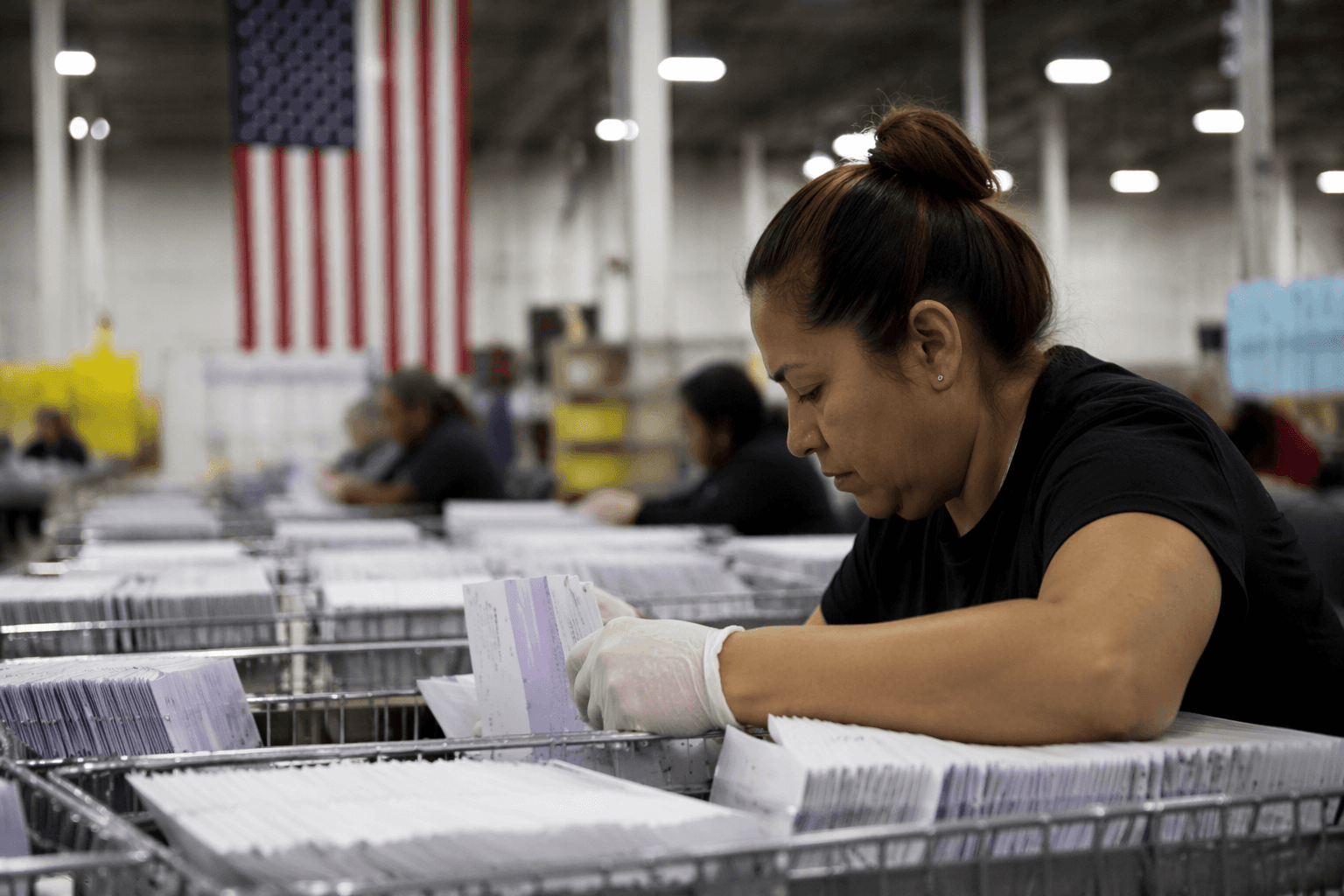
California’s vote count often stretches long after Election Day, and that delay has become more than a procedural nuisance. It shapes how the country sees close races, how voters judge legitimacy, and how quickly misinformation can take hold while millions of ballots are still being processed.
County elections officials in California have up to 30 days to complete the official canvass, and the Secretary of State certifies statewide results only after that process ends. Under current rules, mailed ballots can still be counted if they were postmarked by Election Day and received within seven days, and counties also must validate provisional ballots and same-day registration ballots during the canvass period.
That timeline can leave the nation waiting on California. The state certified its 2024 general election on December 13, 2024, 38 days after Election Day, after 16,140,044 Californians voted, including 13,034,378 vote-by-mail ballots. With more than 23 million registered voters and about 13 million of roughly 16 million votes in the 2024 presidential election cast by mail, California’s ballot volume alone can keep close contests unresolved for days or weeks.
The political fallout has been immediate. In 2024, control of the House of Representatives was not settled until roughly a week after Election Day, in part because California was still tallying ballots. Gov. Gavin Newsom urged county election officials to count every lawfully cast ballot as quickly as possible, warning that misinformation and disinformation can spread in the gap between Election Day and certification.
Election advocates say that gap does real damage. The California Voter Foundation says the state’s slow count undermines voter confidence, opens the door to mis- and disinformation, and invites unfair criticism of local election workers who are carrying out signature verification and other checks. The group’s Close Count Transparency Project tracks daily vote totals in competitive races to show why numbers keep changing as counties process ballots.
California officials argue the pace reflects the state’s election model, not bureaucratic neglect. California sends a ballot to every registered voter, and its broad vote-by-mail rules and same-day registration increase the number of ballots that must be reviewed after Election Day. Assembly Bill 5, signed by Newsom in 2025 and taking effect in 2026, required counties to count most ballots within 13 days after Election Day, but it did not change the 30-day certification deadline. Counties that will not meet the new E+13 deadline must file an extension and explain why.
For the 2026 primary, county results were due to the state by July 2 or July 3, 2026, and statewide certification was set for July 10, 2026. The question is no longer whether California will count every valid ballot. It is how long the country should have to wait while it does.
This article was produced by Prism’s automated news system from verified source data, official records, and press releases, then run through automated quality and moderation checks before publishing. The system is built and supervised by the people who set the standards it runs under. Read our full AI policy.
Know something we missed? Have a correction or additional information?
Submit a Tip