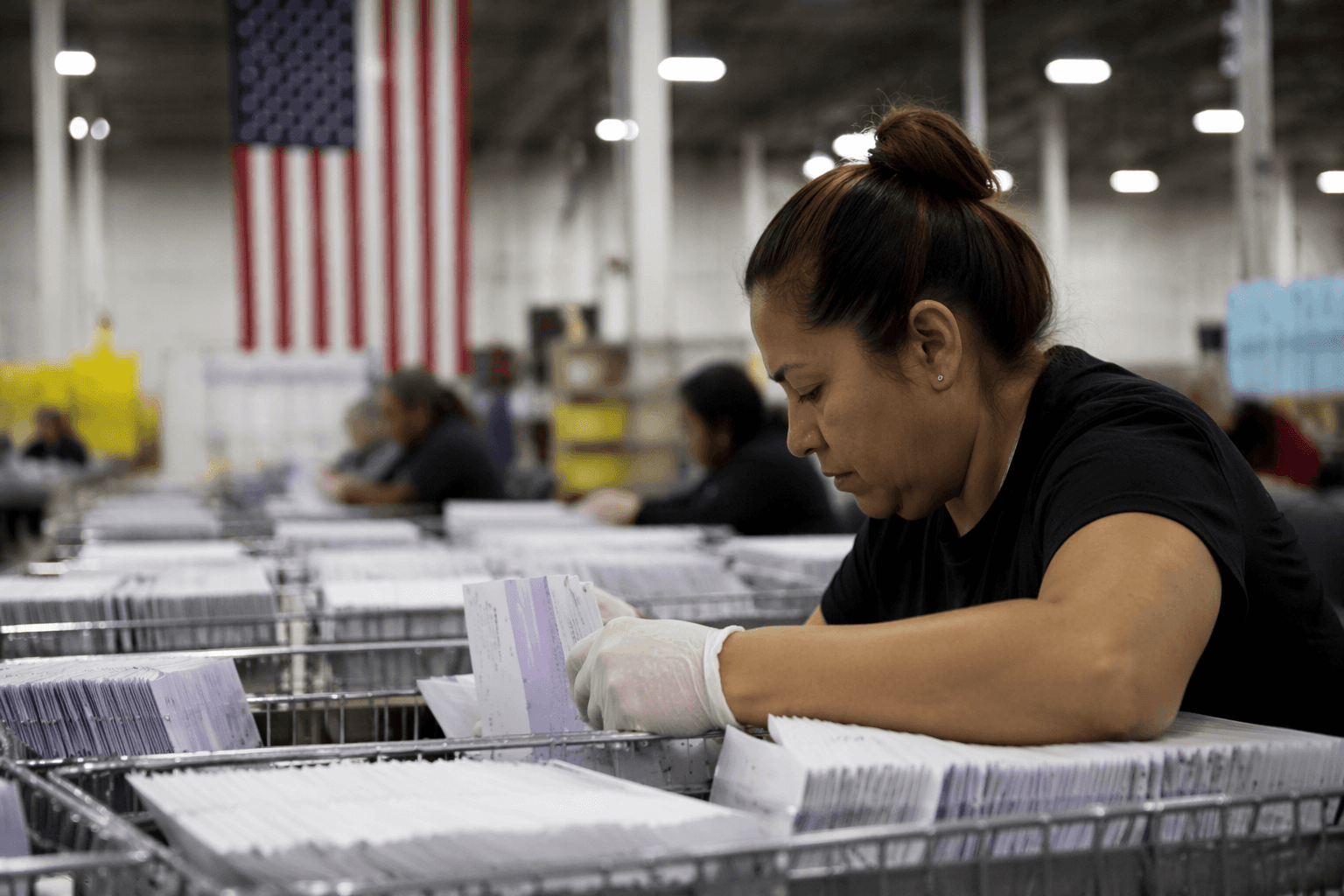
U.S. launches $750 fast-track visa interviews for business and tourism travelers
A $750 fee now buys a faster place in the U.S. visa line, but only at selected posts and only for a brief interview hold. The policy raises a blunt question: relief for backlogs or a price tag on dysfunction?
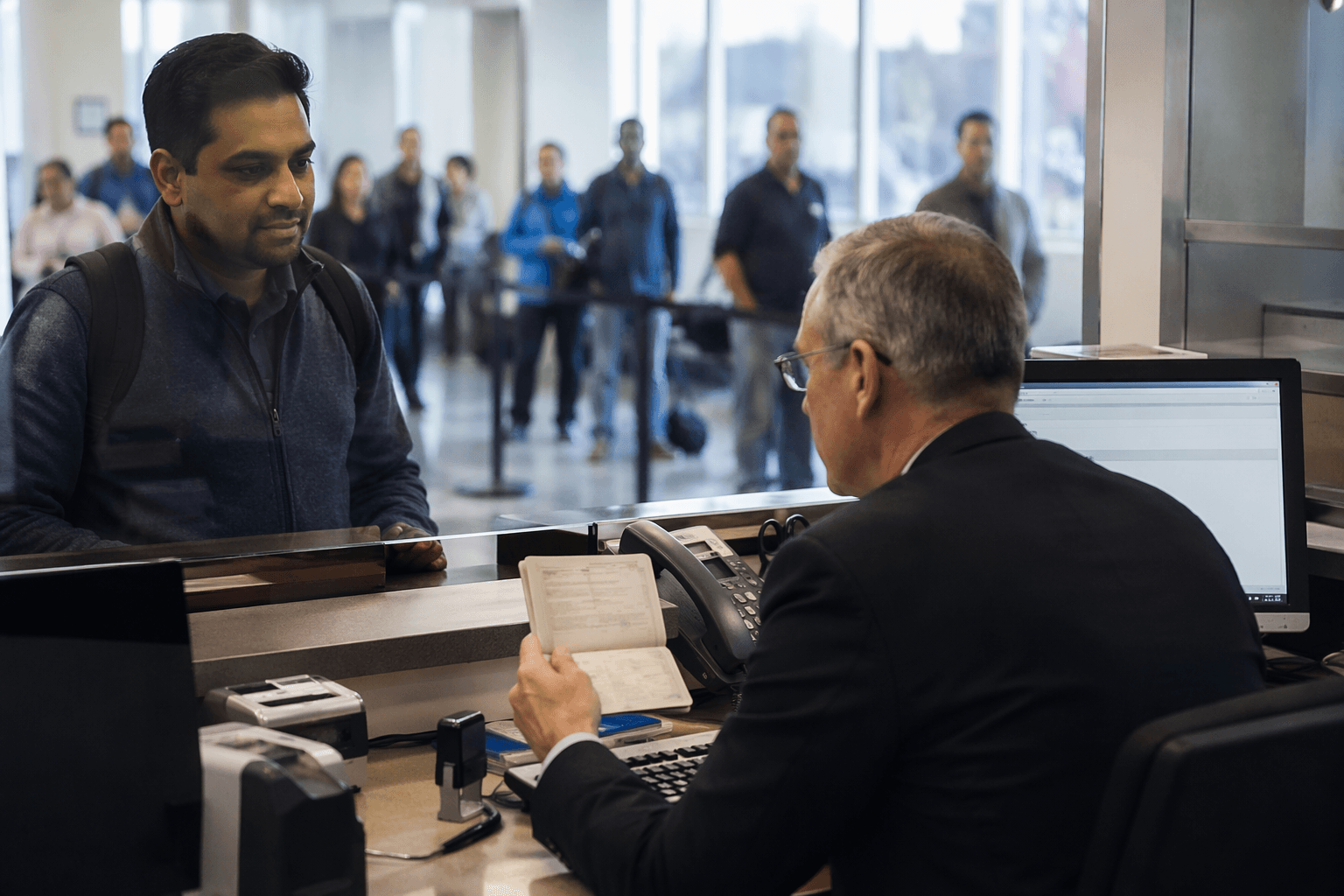
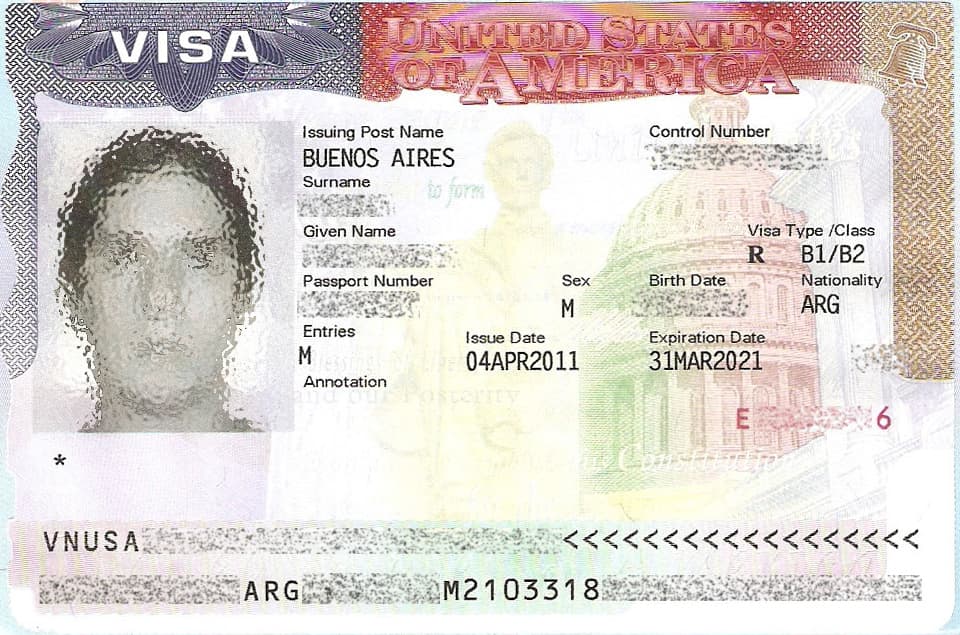
A $750 fee now buys something many travelers have not been able to get: speed in the U.S. visa line. The State Department’s new pilot lets certain B1/B2 business and tourism applicants secure an interview within 10 business days, while everyone else remains in the standard queue.
The policy creates a two-tier system by design. The expedited appointment is only a scheduling perk, not a guarantee of visa approval, and the standard nonimmigrant visa application fee still applies on top of the new charge. The service will be offered only at selected U.S. embassies and consulates, in limited quantities, with participating locations to be posted on travel.state.gov.
The temporary final rule takes effect July 1, 2026, and runs through December 31, 2026. The State Department says the pilot is aimed at long waits that can exceed 12 months at some posts, particularly when travelers are trying to make urgent trips or arrive for events that create sudden demand, including major sporting events, concerts and festivals.
The mechanics make clear how tightly controlled the program is. A reserved slot is held for only five to 10 minutes before being released if the applicant does not pay the non-refundable fee. That detail underscores the policy’s central tradeoff: faster access for those able to pay, and another turn through the same backlog for those who cannot.
The Federal Register notice estimates 25,705 applications a year, which would generate about $19.3 million. Public comments on the temporary final rule are due by July 9, 2026, as the Bureau of Consular Affairs tests whether a premium lane can ease pressure without changing who gets approved.
The pilot arrives as the U.S. tries to manage a system in which demand can spike far beyond embassy capacity. For travelers with business deadlines or tourism plans, the faster appointment may feel like a workaround. For everyone still waiting months for a regular slot, it looks more like monetized scarcity than a fix.
This article was produced by Prism’s automated news system from verified source data, official records, and press releases, then run through automated quality and moderation checks before publishing. The system is built and supervised by the people who set the standards it runs under. Read our full AI policy.
Know something we missed? Have a correction or additional information?
Submit a Tip