Canada and China Sign Five-Year Mass Timber MOU to Boost B.C. Exports
Canada and China signed a five-year, non-binding MOU on mass timber to open markets for B.C. engineered wood. It could shift availability and prices of blanks and specialty lumber for turners.
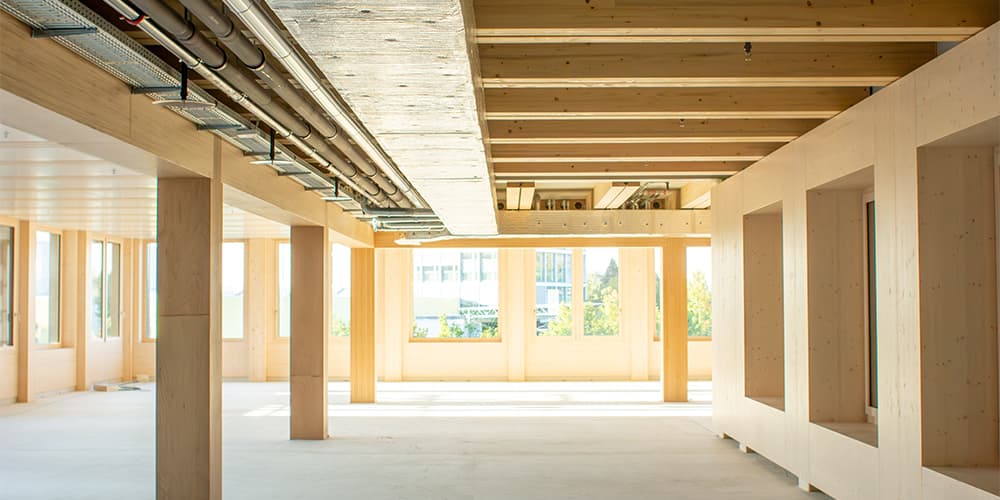
A five-year, non-binding memorandum of understanding signed by B.C.’s Forests Ministry, Natural Resources Canada and China’s Ministry of Housing and Urban-Rural Development commits both countries to technical exchanges and joint research on tall-wood and mass-timber construction. The agreement was announced during the Canadian prime minister’s visit to Beijing and is aimed at opening access to higher-value processed and engineered wood exports for British Columbia.
The move comes as B.C. looks to diversify away from the U.S. market after steep U.S. tariffs - in some cases exceeding 40% - that have heavily impacted the province’s forest sector and contributed to pulp mill closures. The MOU focuses on integrating modern wood construction into China’s urban renewal and rural revitalization strategies and on building an industrial chain for mass-timber projects. China has already relaxed building regulations in some cities to allow larger timber buildings, creating demand for engineered timber products that B.C. producers could supply.
For the woodturning community this is more than a policy headline. Changes in trade flows for engineered wood and processed timber tend to ripple down to the blanks and specialty lumber markets. If B.C. mills shift production toward cross-laminated timber and other engineered panels for export, availability of certain kiln-dried, figured or crotch-cut boards could tighten, and prices for bowl blanks, turning squares and specialty hardwoods may fluctuate. Conversely, increased processing for engineered products can produce different offcuts and secondary markets that turners might be able to tap.

Practical steps to manage the potential impact include watching supplier announcements and price trends, checking stock levels for preferred species, and strengthening relationships with local mills and salvage yards. Expect variability between green-wood and kiln-dried supplies; engineered-wood demand abroad could change when and how mills allocate log grades and drying capacity.
The MOU is non-binding and observers note it is an early step rather than a guaranteed market shift. Implementation will depend on technical exchanges, joint research outcomes and how quickly an industrial chain for mass timber is built. For turners, the story is a potential turning point for supply and pricing - follow developments, adapt species and stock choices, and be ready to seize opportunities that new export pathways may create.
Sources:
Know something we missed? Have a correction or additional information?
Submit a Tip