Canada citizenship law change opens path for millions of Americans to apply
A new Canadian citizenship law is sending Americans back through family trees: people with Canadian grandparents may already qualify, and proof applications are piling up.
A change in Canada’s citizenship law has opened a path for potentially millions of Americans to claim dual citizenship, and the rush is already straining immigration lawyers as families dig through birth records, old passports and ancestry files.
Bill C-3 took effect on Dec. 15, 2025, and ended a long-standing rule that generally limited citizenship by descent to the first generation born outside Canada. Under the new law, some people born outside Canada beyond that first generation can now be recognized as Canadian citizens, including Americans who only recently discovered that a parent or grandparent was Canadian.
The shift grew out of a Dec. 19, 2023, ruling by the Ontario Superior Court of Justice in Bjorkquist et al. v. Attorney General of Canada, which found key first-generation-limit provisions unconstitutional. The court suspended its ruling for six months so Parliament could repair the law, and the federal government chose not to appeal. Instead, Parliament passed remedial legislation that became law last December.
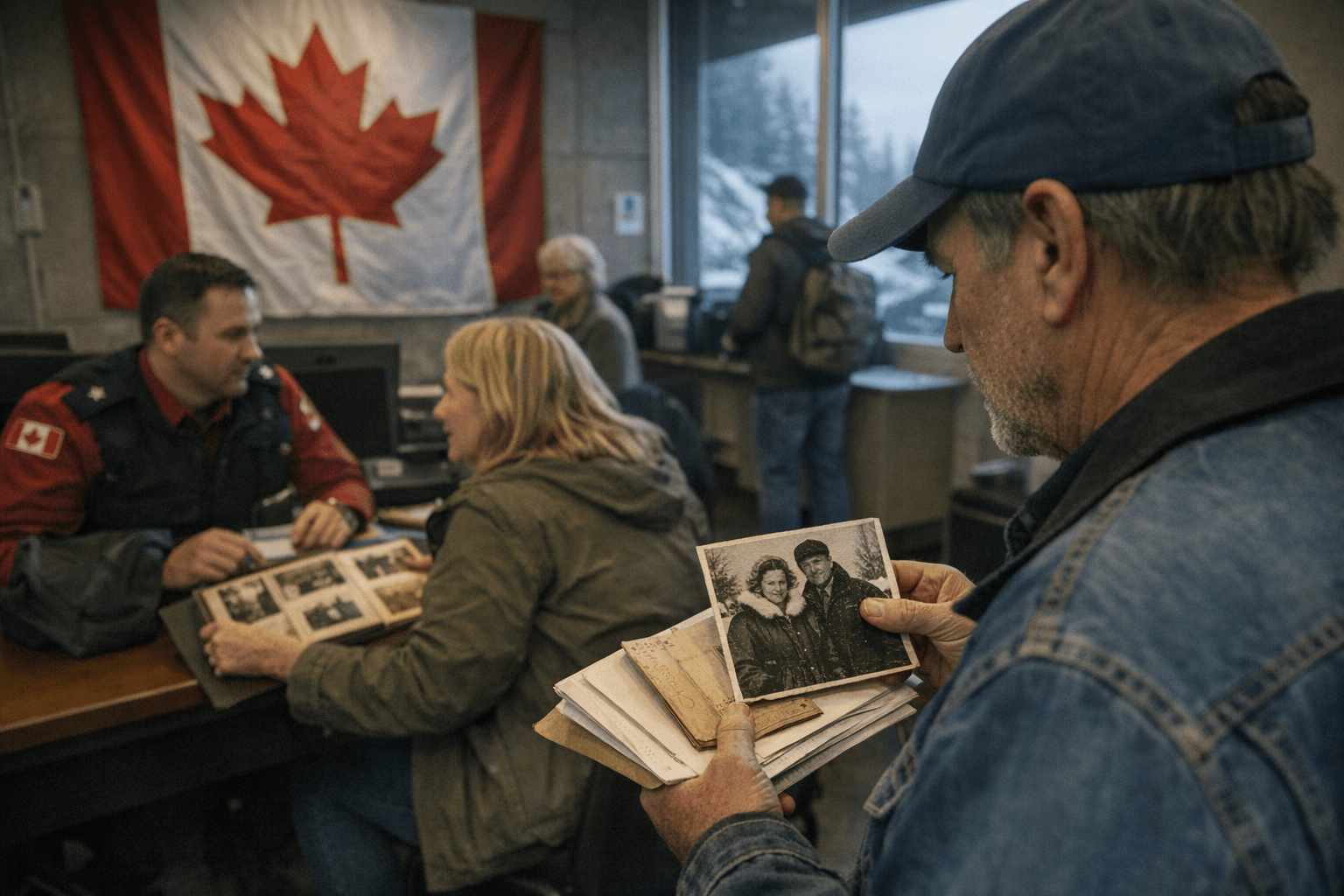
For families with roots in Canada, the change has turned a dusty legal rule into a practical question: who qualifies, and what documents will prove it? Government guidance says people who become citizens automatically under Bill C-3 can apply for proof of citizenship to confirm their status. That has fueled a surge in requests to lawyers in the United States and Canada, who say they are being overwhelmed by people trying to sort out whether they, their parents or their children fall within the new rules.
The law also creates a new standard for children born or adopted abroad on or after Dec. 15, 2025. A Canadian parent who was also born abroad can pass on citizenship only if they can show a substantial connection to Canada, defined by the government as at least 1,095 days, or three years, of physical presence in Canada before the child’s birth or adoption. That means the new law opens one door while closing another, especially for families planning future births or adoptions outside Canada.
Bill C-3 also restores citizenship to some so-called Lost Canadians and their descendants, including certain people born between Feb. 15, 1977, and April 16, 1981, who lost status under older retention rules. For people like Zack Loud of Farmington, Minnesota, the news came as a surprise and then a possibility. “My wife and I were already talking about potentially looking at jobs outside the country, but citizenship pushed Canada way up on our list,” he said.
For Americans, the appeal is straightforward: a second passport, a possible route to study or work in Canada, and a backup plan in an unstable moment. For Canada, the change has reopened questions about identity, descent and who gets counted as Canadian, while thousands of families now wait on paperwork to turn ancestry into citizenship.
This article was produced by Prism’s automated news system from verified source data, official records, and press releases, then run through automated quality and moderation checks before publishing. The system is built and supervised by the people who set the standards it runs under. Read our full AI policy.
Did this article answer your question?