Trump Extends Iran Ceasefire, Talks Continue as Nuclear Gaps Remain
Trump stretched the Iran ceasefire for three weeks, betting talks can outrun missile risk even as nuclear gaps and shipping threats kept the region on edge.
President Donald Trump extended the ceasefire with Iran by three weeks after what he described as a request from Pakistan, giving diplomacy more room even as the war around Iran has already run for about eight weeks and killed thousands. Trump said the pause would last until Tehran produced a "unified proposal" and the negotiations were concluded "one way or the other," a sign that Washington is trying to slow the pace of escalation without declaring the crisis solved.
That slower posture is exactly what Trump defended when he said he had "very good conversations" with Tehran and was under no time pressure, adding that he wanted to "take my time." Pakistan’s army chief, Field Marshal Asim Munir, and Prime Minister Shehbaz Sharif had asked him to hold off on attacks while Iran prepared its response, turning Islamabad into an unexpected bridge between the two sides. For Trump, the delay preserves leverage and keeps military options intact. For Tehran, it buys time to absorb pressure. For hardliners on both sides, it risks looking like weakness disguised as patience.
Iran’s foreign ministry said no final decision had been made on whether it would return to further talks, citing "contradictory messages" from Washington. Iran’s top negotiator said the talks had made progress but that major gaps remained over nuclear issues and the Strait of Hormuz, where shipping remains the most immediate economic flashpoint. One adviser to Mohammad Baqer Qalibaf dismissed the extension as "a ploy to buy time," while Iranian state media framed the talks as a "waste of time" under current conditions.
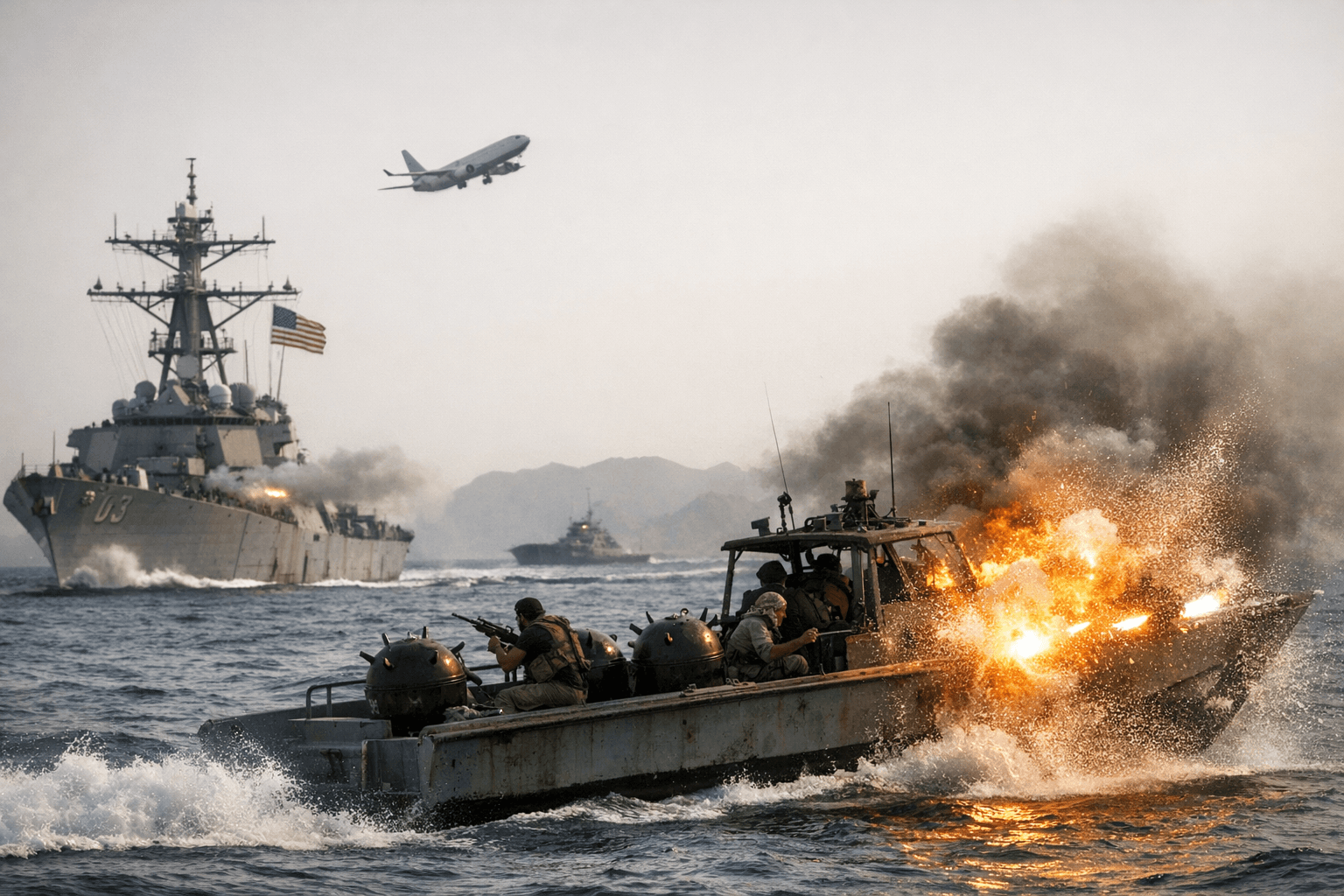
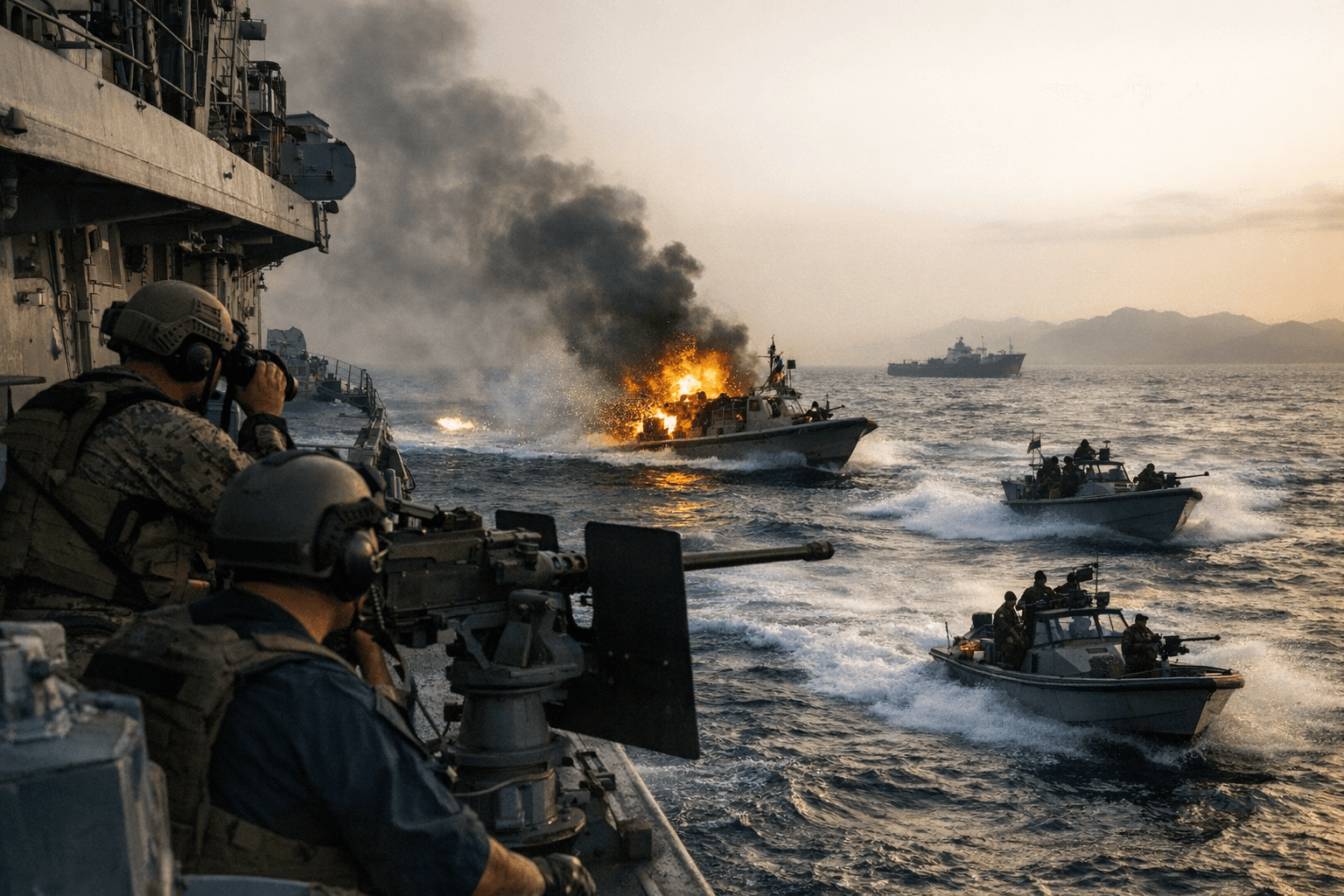
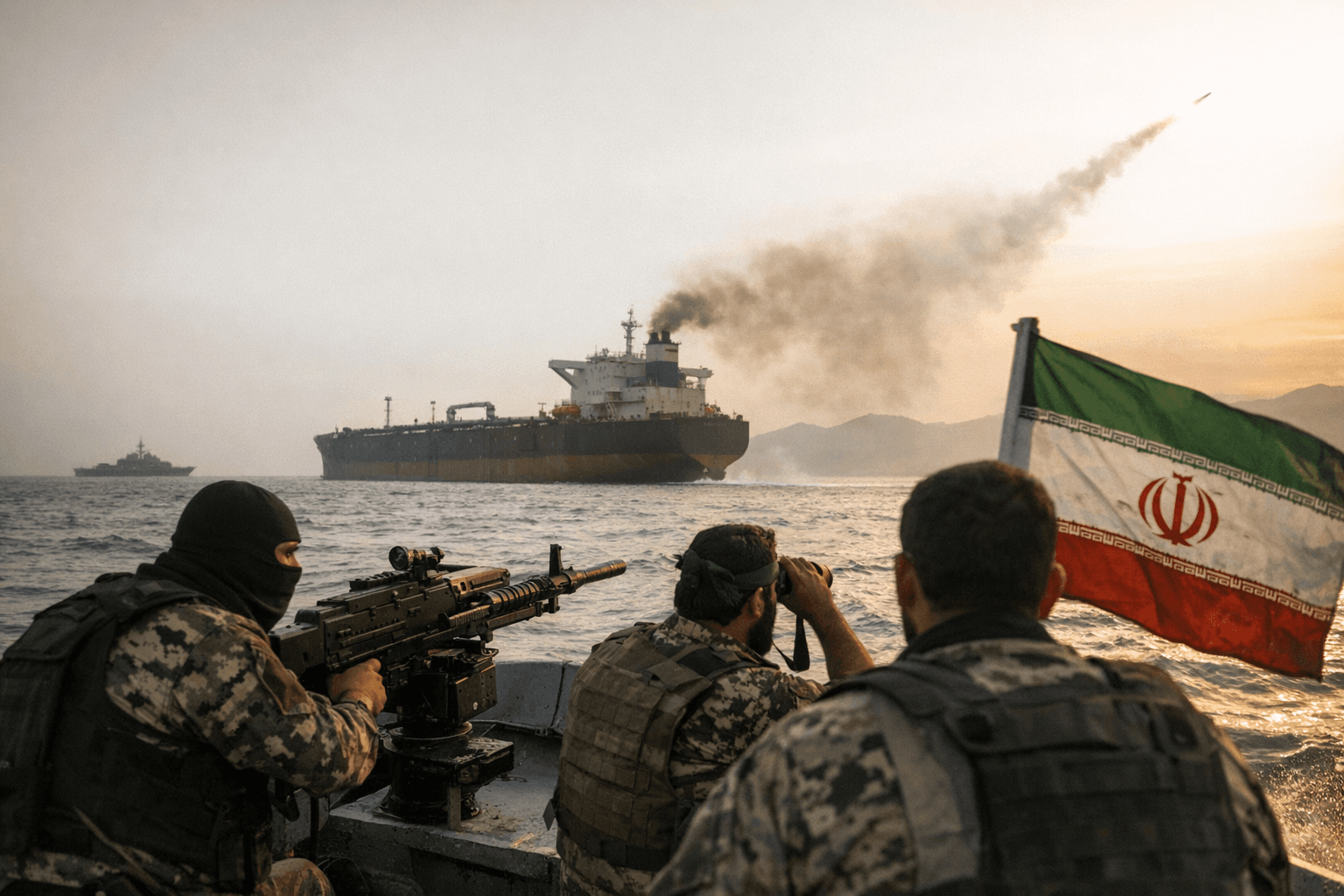
The stakes reach far beyond the negotiating table. Before the war, the Strait of Hormuz carried about one-fifth of the world’s oil shipments, and the conflict has already jolted global energy markets. Ships have reported gunfire, Iran has seized or attacked vessels in the strait, and two Indian-flagged ships came under fire. The United States has also continued a naval blockade of Iranian ports, leaving the waterway at the center of a standoff that could swing oil prices and test how long the world can tolerate a de facto choke point in one of its most important trade routes.
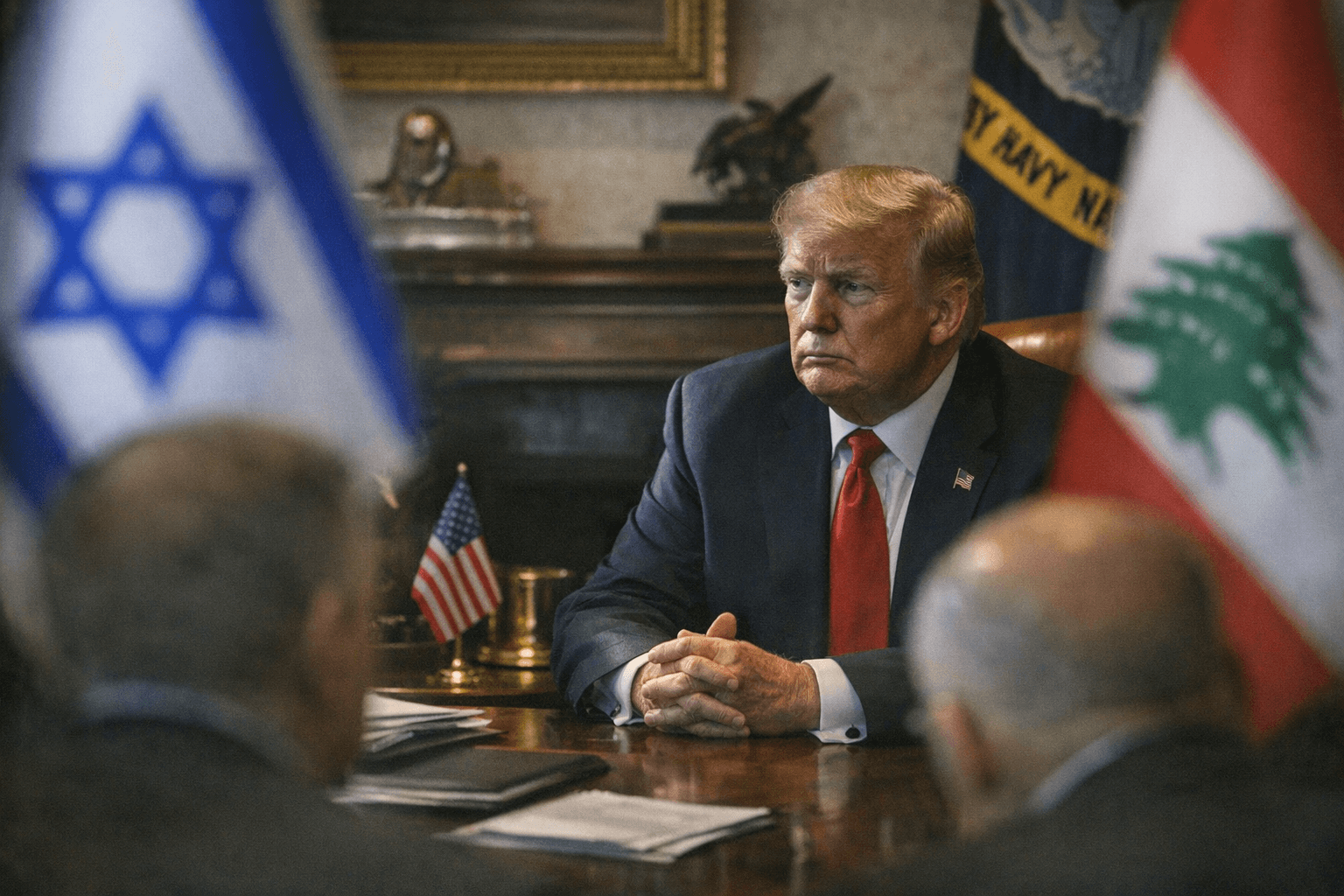
Trump’s separate announcement that Israel and Lebanon agreed to extend their ceasefire by three weeks added another layer of uncertainty and opportunity. He said he hoped for "no firing" during that period, while Lebanon’s president and Israel’s prime minister could visit the White House in the coming weeks. The question now is whether these pauses create a real opening for de-escalation or simply postpone the next round of a wider regional conflict that still has no settled endgame.
Know something we missed? Have a correction or additional information?
Submit a Tip