Trump faces patient Iran as Strait of Hormuz standoff deepens
Iran kept the Strait of Hormuz on edge, betting that every day of delay would deepen U.S. market pain, military strain and political pressure.
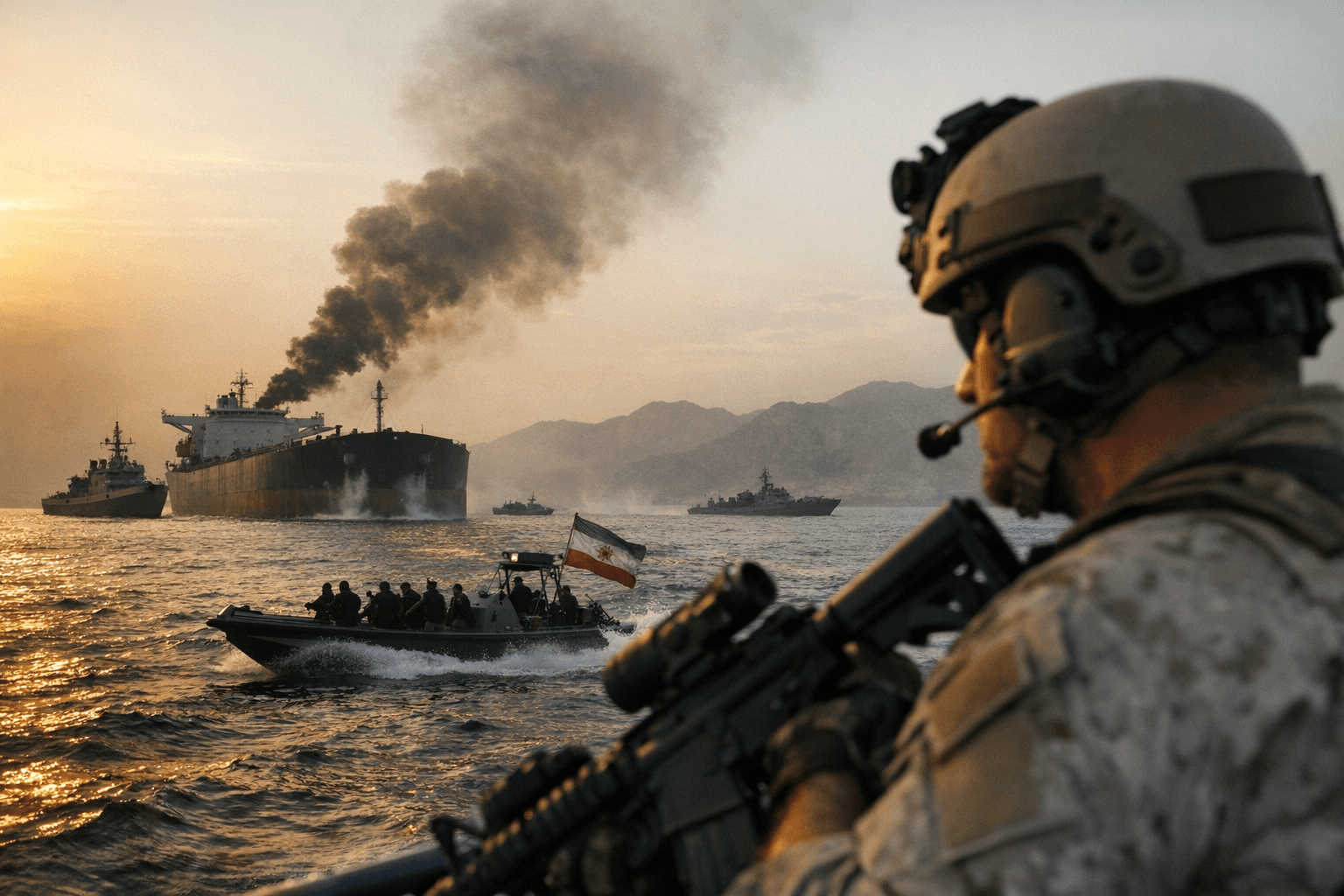
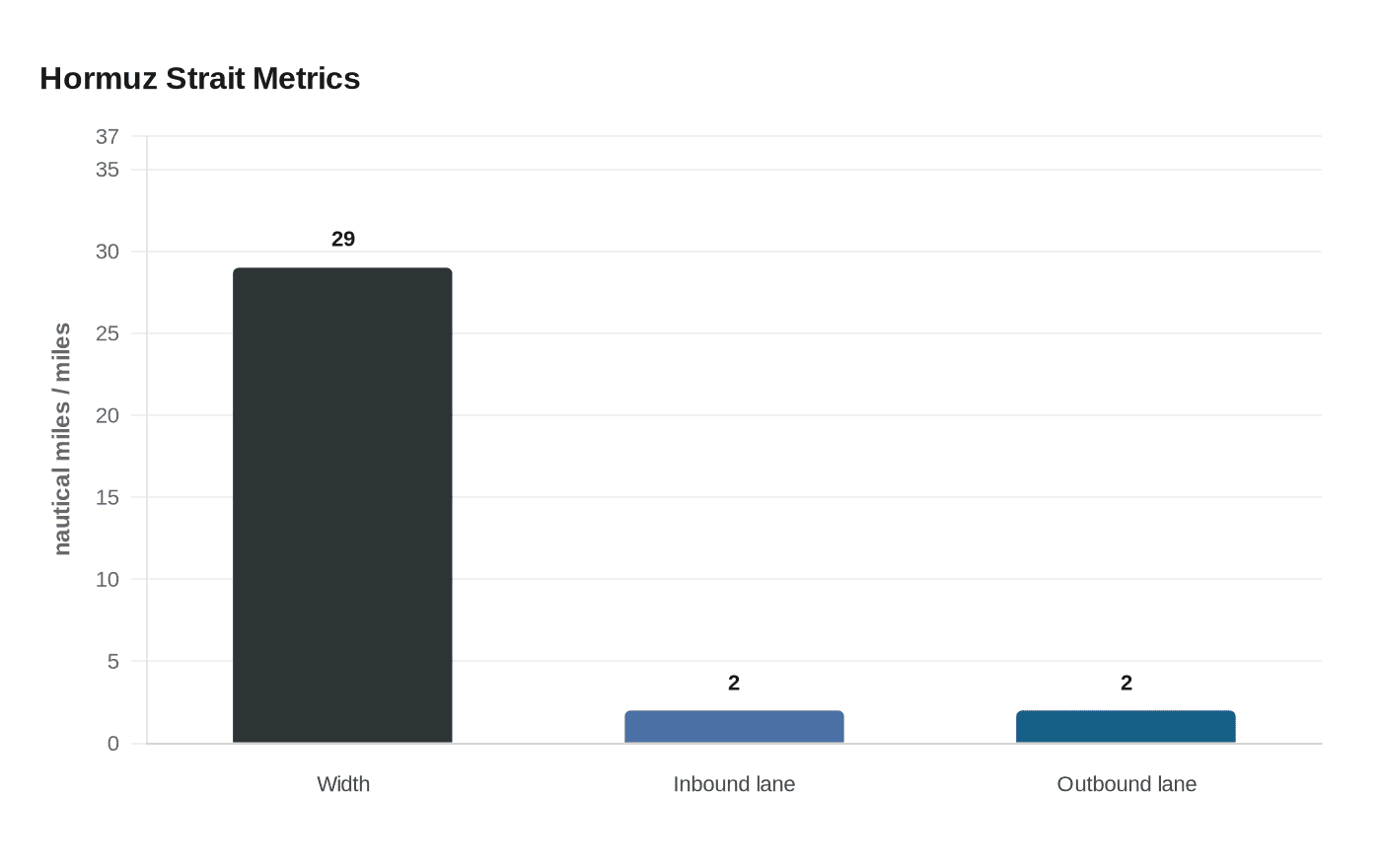
The fight over the Strait of Hormuz has turned into a test of endurance, with Iran showing signs it can gain leverage simply by waiting while Washington absorbs the pressure. The narrow passage, only about 29 nautical miles wide at its tightest point with two-mile inbound and outbound lanes, carries about 20 million barrels of oil a day, roughly one-fifth of global petroleum liquids consumption and 27% of maritime oil trade.
That dependence gave Tehran immediate power in the latest escalation. Iran said it was tightening control over the strait in response to the continued U.S. naval blockade of Iranian ports, warning mariners that the waterway was again closed. Donald Trump responded that Tehran could not blackmail the United States by shutting the route, even as he said there were very good conversations with Iran and warned that fighting could resume if no peace deal was reached by Wednesday, when the two-week ceasefire was set to expire.
The diplomacy around the crisis frayed fast. Iranian state media said the Supreme National Security Council was weighing new U.S. proposals delivered through Pakistan-mediated talks, but no answer had been given. Vice President JD Vance had been due to lead a delegation to Islamabad for a second round of talks, but that plan dissolved after Iran said it would not attend. Masoud Pezeshkian said Iran welcomed dialogue, but said breach of commitments, blockade and threats stood in the way of real negotiations. Parliament Speaker Mohammad Bagher Ghalibaf said the ceasefire only made sense if the maritime blockade was not violated. Foreign Minister Abbas Araghchi called the blockade of Iranian ports an act of war and said the U.S. seizure of an Iranian ship over the weekend violated the ceasefire.
The strait’s strategic weight made every new incident harder to absorb. Shipping sources said at least two vessels came under fire while trying to transit the corridor, and India said it summoned Iran’s ambassador after two Indian-flagged ships were hit. Iran attacked at least three commercial ships in the Strait of Hormuz on Wednesday, just hours after Trump extended the ceasefire while keeping the blockade in place. Maritime traffic through the waterway fell sharply, insurance costs surged, and energy markets swung wildly; Brent crude dropped more than 10% on one recent trading day after Iran briefly declared the strait open, only for volatility to return when transit stalled again.
The longer the standoff lasts, the more time itself favors Iran. The U.S. Energy Information Administration said flows through Hormuz stayed relatively flat in early 2025 before the later escalation, while the International Energy Agency has warned that prolonged disruption could take months to unwind. The United Nations said the risks to global shipping and regional stability remained acute, even as António Guterres welcomed the ceasefire extension and urged all sides not to undermine it. In a corridor that has relied on a traffic separation scheme since 1968, patience has become a weapon, and that makes any White House victory narrative far harder to sustain.
This article was produced by Prism’s automated news system from verified source data, official records, and press releases, then run through automated quality and moderation checks before publishing. The system is built and supervised by the people who set the standards it runs under. Read our full AI policy.
Did this article answer your question?


