Strait of Hormuz standoff raises oil prices, fuels Trump backlash
Hormuz carries about 20 million barrels a day, and even a brief shutdown could jolt U.S. fuel costs, shipping rates and Trump’s already fragile political standing.
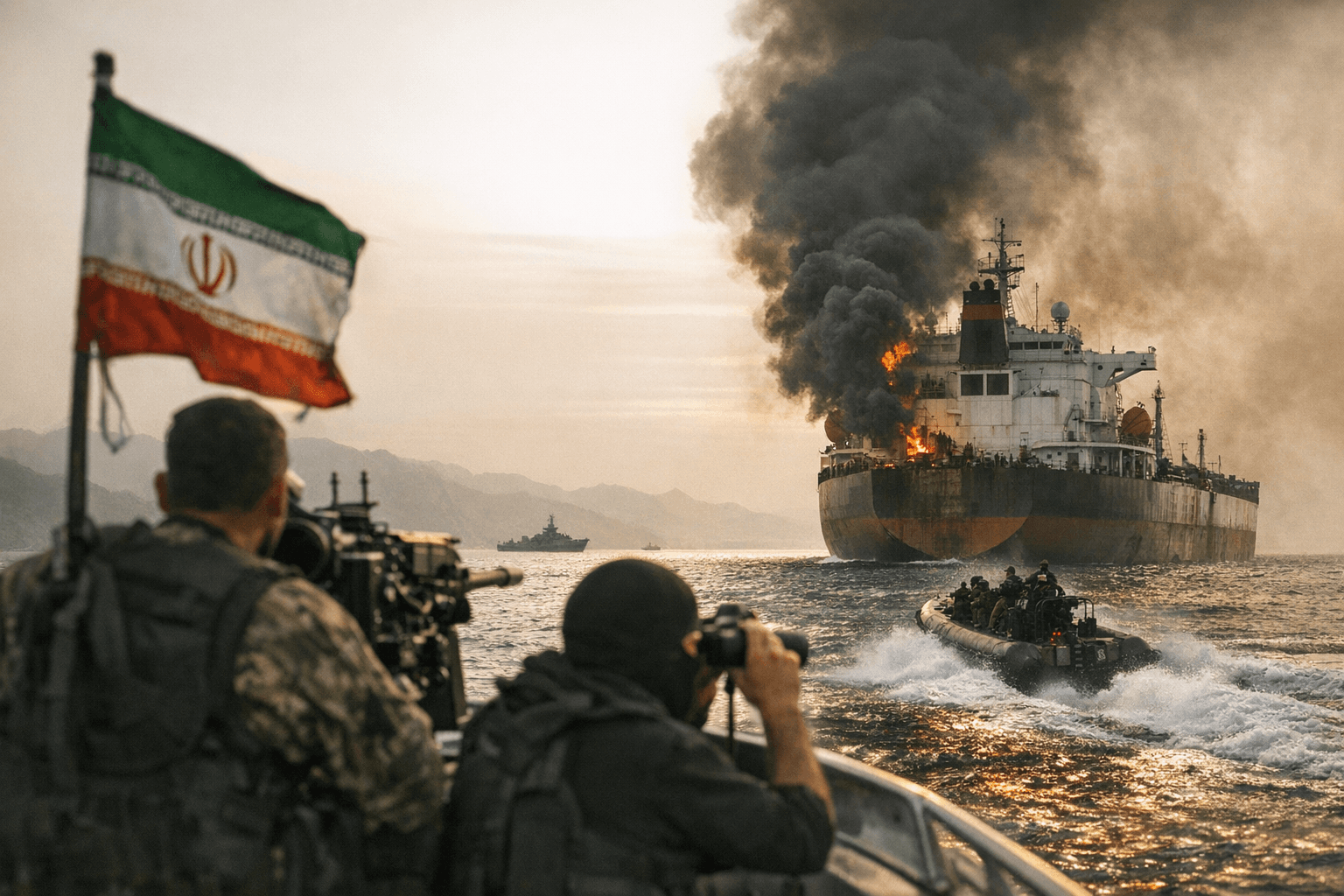
A standoff in the Strait of Hormuz is now hitting the U.S. where it hurts fastest: at the pump, in shipping rates and in the renewed pressure it puts on inflation. The narrow waterway, which links the Persian Gulf with the Gulf of Oman and the Arabian Sea, handled about 20 million barrels of oil a day in 2024, roughly 20% of global petroleum liquids consumption, and 20.9 million barrels a day in the first half of 2025.
The U.S. Energy Information Administration says very few alternative routes exist if the strait is closed, which means even a temporary disruption can lift world energy prices and raise the cost of moving goods. That economic exposure has become the central political risk for Donald Trump, who is being squeezed between the limited military options available in the Gulf and the very real consumer backlash that follows any spike in fuel prices at home.
Washington has also framed the crisis as a matter of maritime law and open sea lanes. The State Department says the United States has consistently maintained that transit passage applies in the Strait of Hormuz for ships and aircraft of all states, a position that gives the confrontation a legal as well as military dimension. At the same time, U.S. officials have said Iran is trying to hold the strait hostage, while sanctions and maritime security operations are being used to squeeze Tehran’s revenue and reassure shipping.
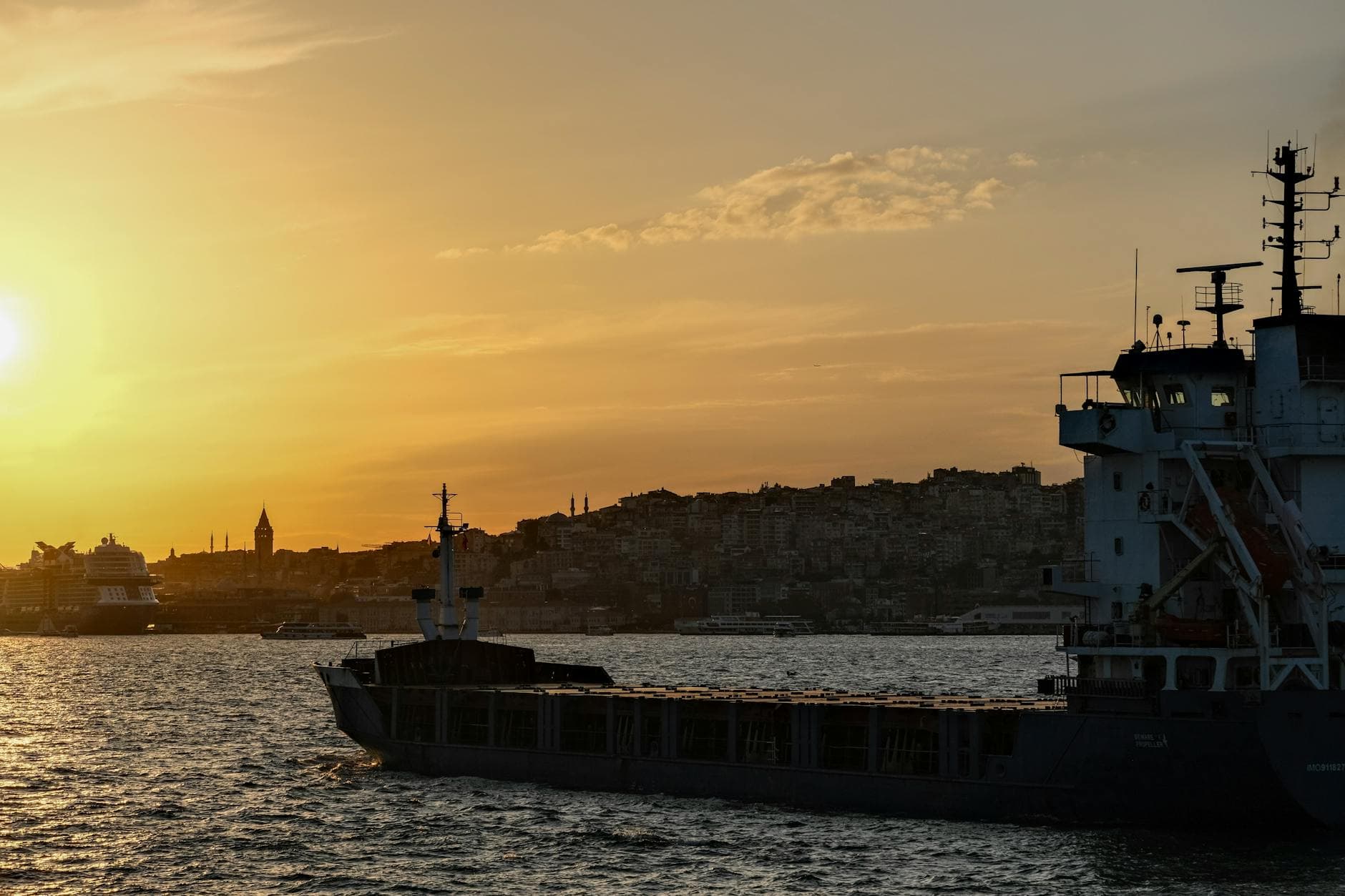
The danger is not theoretical. The region has seen deadly escalation before. During the Tanker War, from 1981 to 1988, Iran and Iraq attacked merchant vessels in the Persian Gulf and the Strait of Hormuz. After Iranian mining damaged USS Samuel B. Roberts, the U.S. Navy launched Operation Praying Mantis on April 18, 1988. Three months later, on July 3, 1988, Iran Air Flight 655 was shot down, killing 290 civilians and helping push Iran toward a ceasefire.
That history hangs over the current confrontation as the White House and Congress test how far the United States should go to confront Tehran. On April 15, the State Department said it was targeting parts of Mohammad Hossein Shamkhani’s oil-smuggling network and an oil-for-gold financing network. The next day, House Republicans narrowly blocked a Democratic-led resolution to stop the war until Congress authorizes it, by a vote of 214-213, underscoring the unease on Capitol Hill without yet producing a break with Trump.
This article was produced by Prism’s automated news system from verified source data, official records, and press releases, then run through automated quality and moderation checks before publishing. The system is built and supervised by the people who set the standards it runs under. Read our full AI policy.
Did this article answer your question?


