Canada signals bilateral deals may accompany USMCA review
Canada said USMCA talks may spawn side deals with Washington and Mexico, raising new carve-outs and uncertainty. Oil, gas and auto leaders are already in the room.
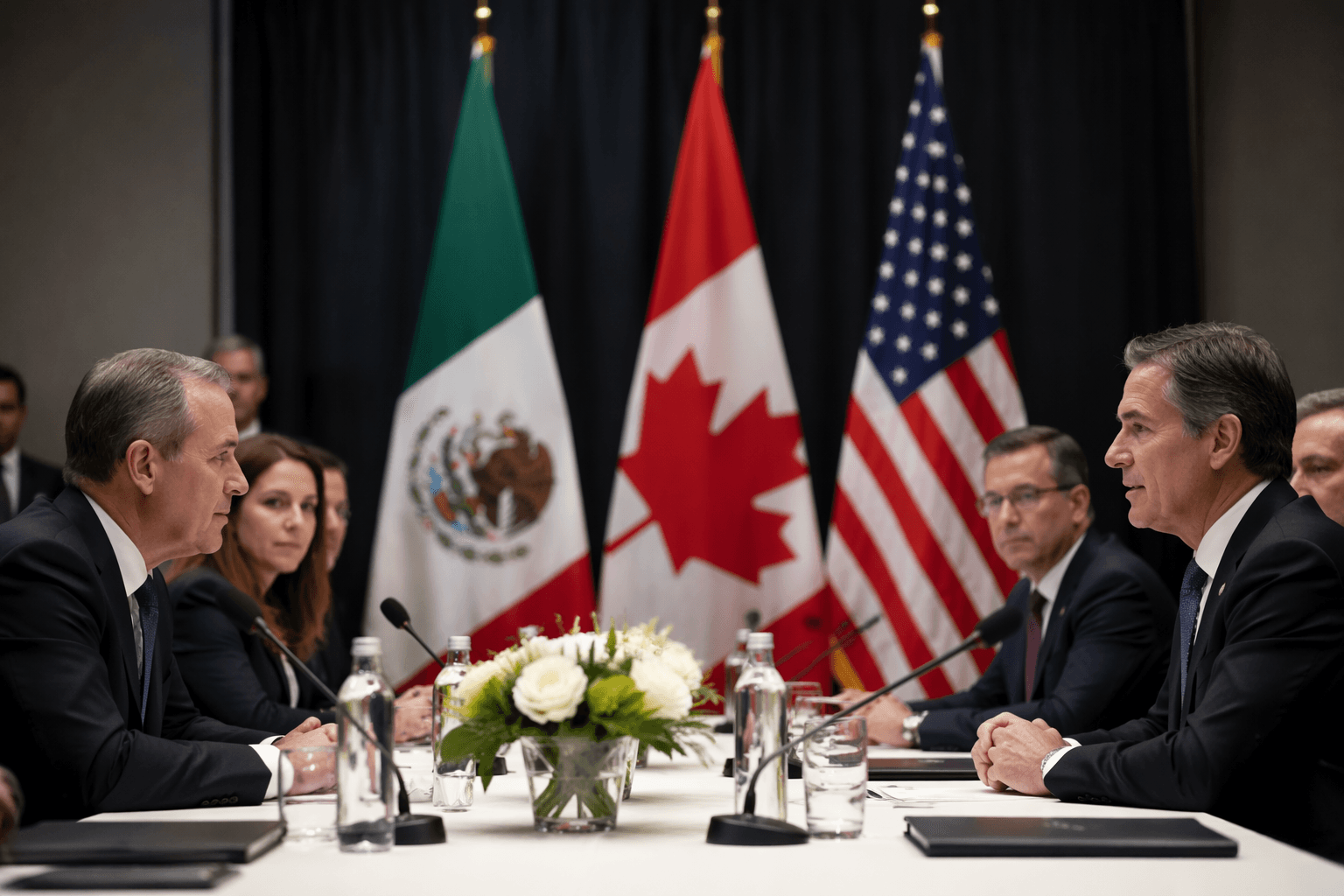
Canada’s top trade minister signaled that the coming USMCA review may not stay neatly trilateral. Dominic LeBlanc said in Toronto that bilateral arrangements between Canada and the United States, and between the United States and Mexico, could sit alongside the broader North American framework if the three countries can settle specific issues.
That matters because a layered outcome would give each capital new leverage, but it would also create uncertainty for sectors that depend on common rules across the continent. Instead of one clean three-way bargain, the review could produce a package of commitments, exceptions and side deals that alter how Canada, the United States and Mexico trade with one another.

LeBlanc is scheduled to meet U.S. Trade Representative Jamieson Greer next week in France, on the sidelines of the G7 leaders’ meeting, underscoring that the talks are advancing through both formal review channels and private diplomacy. The first formal joint review of USMCA is set for July 1, 2026, after the Office of the United States Trade Representative opened a public consultation process and scheduled a public hearing for November 17, 2025.
The review also sits inside a broader push by Washington and Mexico to negotiate bilaterally. In May 2026, USTR announced a series of bilateral negotiating rounds between the United States and Mexico related to the first joint review. Canada has been pressing its own case too, asking the United States and Mexico to renew the pact for another 16 years so the agreement does not drift into an annual rolling-review cycle if all three governments fail to agree on an extension.
Ottawa has been consulting the industries most exposed to the outcome. On June 1, LeBlanc and Energy and Natural Resources Minister Tim Hodgson met oil and gas sector leaders. On June 3, LeBlanc and chief trade negotiator Janice Charette met North American auto-industry representatives, including the Canadian Vehicles Manufacturers’ Association and the American Automotive Policy Council. On June 4, Global Affairs Canada said LeBlanc updated the Advisory Committee on Canada-U.S. Economic Relations on recent engagements with the United States and Mexico and on next steps for the joint review.
The political signal from Ottawa is clear: Canada is preparing for a review that could become more flexible, and more fragmented, than the original trilateral design. For auto makers, energy producers and other firms tied to tariffs, rules of origin and cross-border supply chains, bilateral side deals could become the place where the real bargaining happens.
This article was produced by Prism’s automated news system from verified source data, official records, and press releases, then run through automated quality and moderation checks before publishing. The system is built and supervised by the people who set the standards it runs under. Read our full AI policy.
Know something we missed? Have a correction or additional information?
Submit a Tip