U.S. and EU near deadline on suspended aircraft tariffs
Tariffs on $11.5 billion in U.S.-EU trade were nearing return, putting cheese, spirits, tobacco and machinery back in the crosshairs of a long aircraft fight.
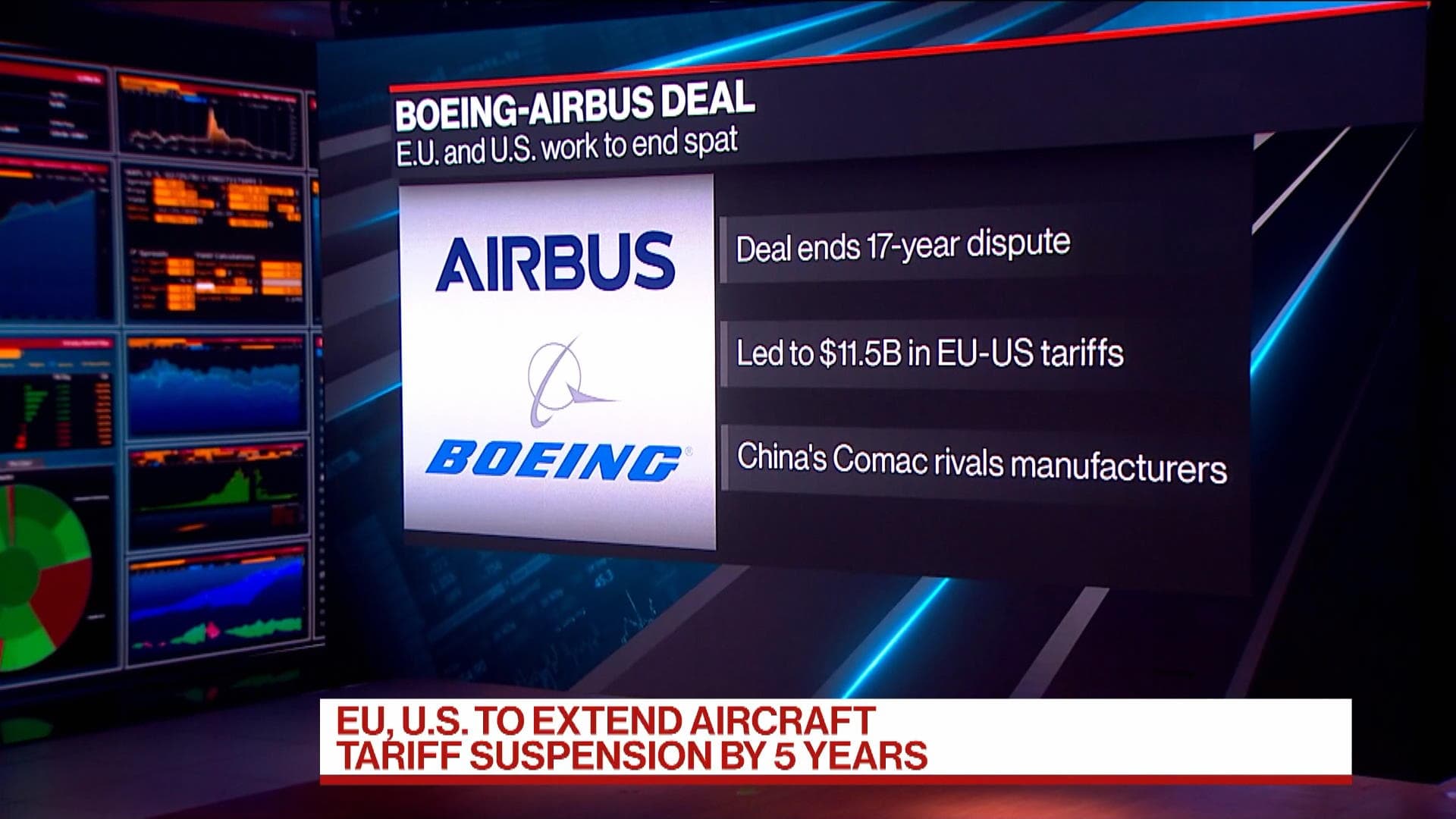
Cheese counters, liquor shelves and tobacco sellers were first in line to feel a tariff snapback as the United States and European Union neared the end of a five-year pause on aircraft-related duties covering $11.5 billion in trade. Machinery makers and aircraft suppliers would have followed quickly, showing how a dispute over Airbus and Boeing could spill far beyond airplanes into everyday consumer goods. The truce, agreed on 15 June 2021, had kept the Atlantic trade fight contained while negotiators searched for a broader settlement.
The conflict began in 2004, when Washington filed a World Trade Organization case over Airbus subsidies. The European Union answered with its own complaint against Boeing support in May 2005. The WTO later authorized retaliation on both sides, giving the United States permission to tax $7.5 billion of EU goods and clearing the EU to impose duties on about $4 billion of U.S. imports. The European Commission has described the Airbus-Boeing case as the longest-running dispute in WTO history.
The 2021 understanding, reached by Valdis Dombrovskis and Katherine Tai, suspended those tariffs for five years and replaced confrontation with a cooperative framework. It created a Working Group on Large Civil Aircraft, pushed both sides to finance aircraft production on market terms, sought more transparency around government-funded research and development, and committed the U.S. and EU to work together on non-market practices by third countries such as China. Before the pause, the Commission said businesses on both sides of the Atlantic had already paid more than $3.3 billion in duties.
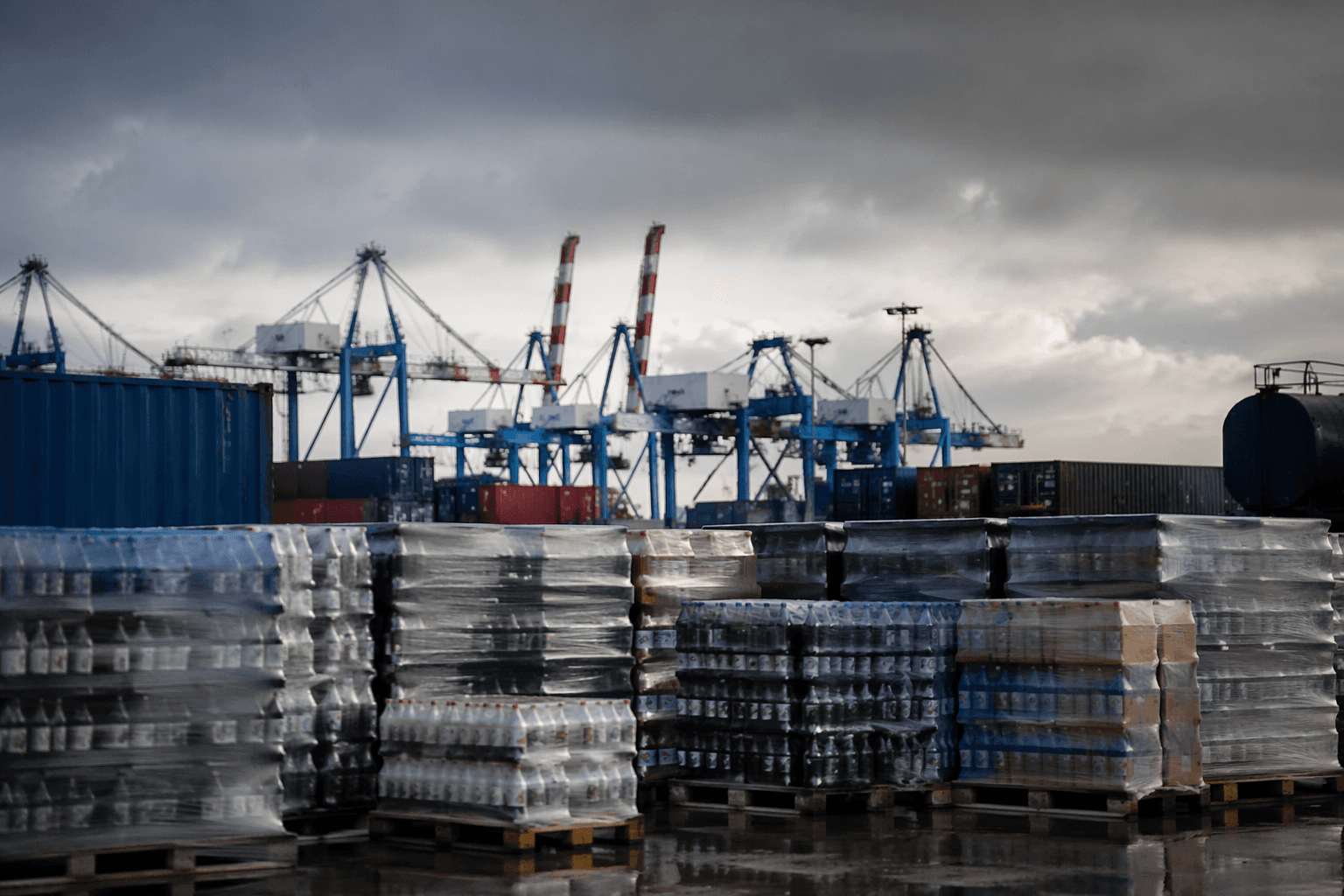
The list of affected products reached well beyond aviation. The Commission said U.S. countermeasures in the Airbus case covered 19 product categories, while EU countermeasures in the Boeing case covered 130 categories, including wines and spirits, dairy and cheese, machinery, nuts, tobacco and other consumer goods. That breadth is why the deadline mattered to shoppers as much as to manufacturers: if the suspension lapsed, tariffs could once again hit products moving through ports, supermarkets and industrial supply chains on both sides of the Atlantic.
The stakes were even higher because transatlantic trade tensions were already widening. In May 2025, the Commission opened a public consultation on possible countermeasures against U.S. tariffs, saying the list covered €95 billion of U.S. imports and could also affect €4.4 billion of EU exports. That broader backdrop made the aircraft dispute more than a narrow subsidy fight. It became a test of whether the U.S. and Europe could contain retaliation in one sector without letting it infect the rest of their economic relationship.
This article was produced by Prism’s automated news system from verified source data, official records, and press releases, then run through automated quality and moderation checks before publishing. The system is built and supervised by the people who set the standards it runs under. Read our full AI policy.
Know something we missed? Have a correction or additional information?
Submit a Tip