Reuters poll: Australia’s central bank likely to pause rate hikes
Australia’s central bank is set to pause on June 16 after three straight hikes, even as 18 of 31 economists still see room for another move later.
Australia’s central bank is expected to hit pause on June 16, a sign that policymakers think inflation has cooled enough to wait, but not enough to declare victory. The Reserve Bank of Australia has already lifted the cash rate to 4.35% after three consecutive increases this year, and the latest economic readings show why another immediate move looks less likely.
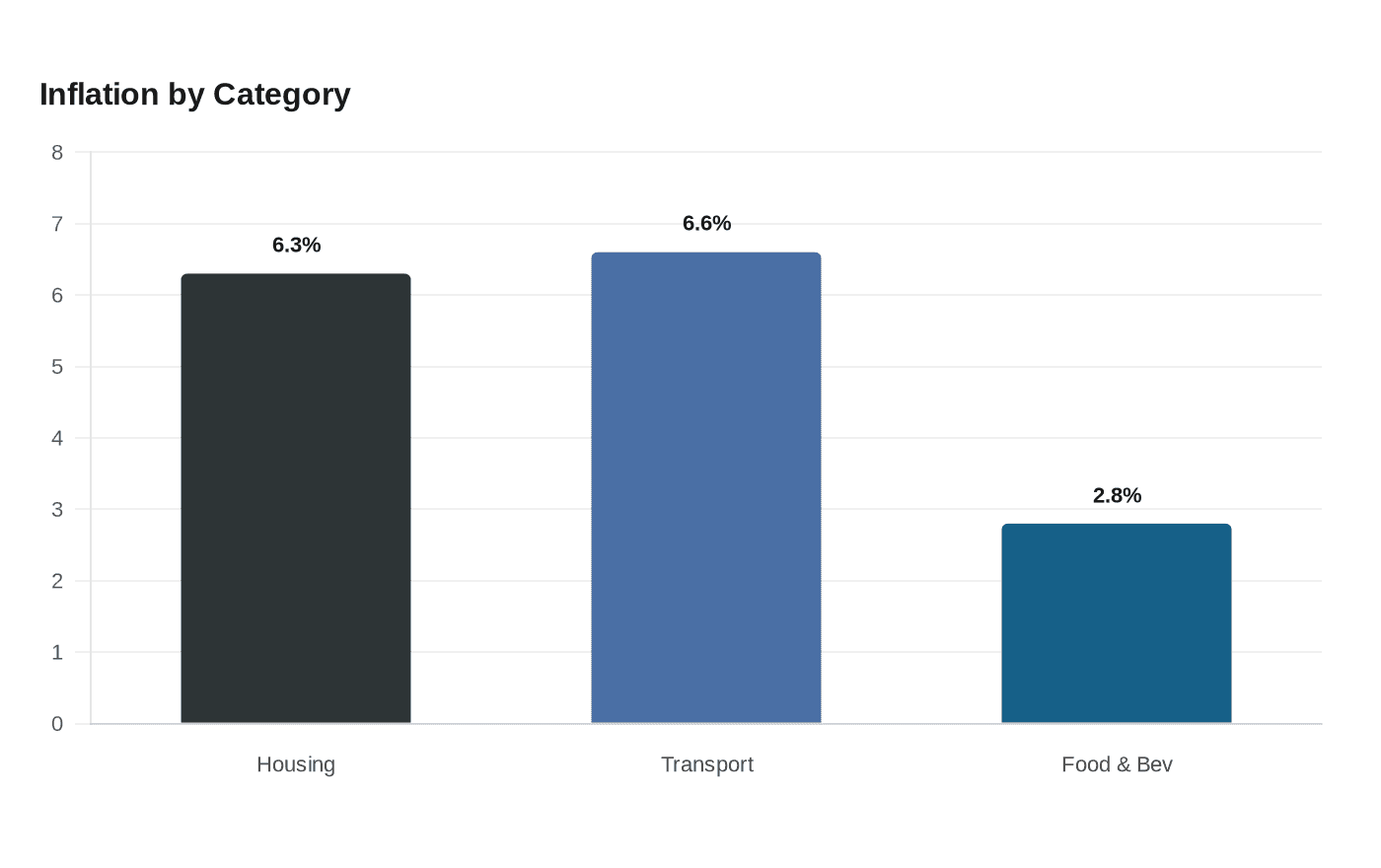
Growth slowed sharply in the first quarter, with gross domestic product rising just 0.3% from the previous quarter, down from 0.9% in the prior period. Unemployment climbed to 4.5% in April, the highest level since November 2021, while annual consumer prices eased to 4.2% in the 12 months to April from 4.6% in March. Core inflation, measured by the trimmed mean, was still 3.4%, and the pressure remained broad-based, with housing prices up 6.3%, transport up 6.6% and food and non-alcoholic beverages up 2.8%.
The split in the economic data is exactly what has made the RBA’s job so difficult. Inflation has come down, but the pace is still too hot for comfort, while households and businesses are showing more strain from higher borrowing costs. The RBA’s own May Statement on Monetary Policy assumed the cash rate would rise to 4.7% by the end of 2026, up from 4.2% in its February outlook, and said inflation would not return toward the middle of its target range until mid-2028.
That tension explains why the June 11 poll found 18 of 31 economists expecting the RBA to hold in June, while a sizable minority still sees another hike later in the year. NAB senior economist Taylor Nugent said the chance of a move in June was “very low,” arguing that the RBA had already recalibrated policy enough to cool domestically driven inflation pressures. Westpac, by contrast, is still forecasting a move to 4.85%, underscoring how divided the outlook remains.
Michele Bullock signaled after the May increase that policymakers would pause to assess next steps, a stance that fits a broader global pattern: central banks are trying to slow inflation without tightening so much that weaker growth turns into something worse. For Australia, the June 16 decision at 2:30 p.m. Sydney time will matter less for the 25-basis-point step itself than for the message it sends about how close the RBA believes it is to the end of the inflation fight.
This article was produced by Prism’s automated news system from verified source data, official records, and press releases, then run through automated quality and moderation checks before publishing. The system is built and supervised by the people who set the standards it runs under. Read our full AI policy.
Know something we missed? Have a correction or additional information?
Submit a Tip