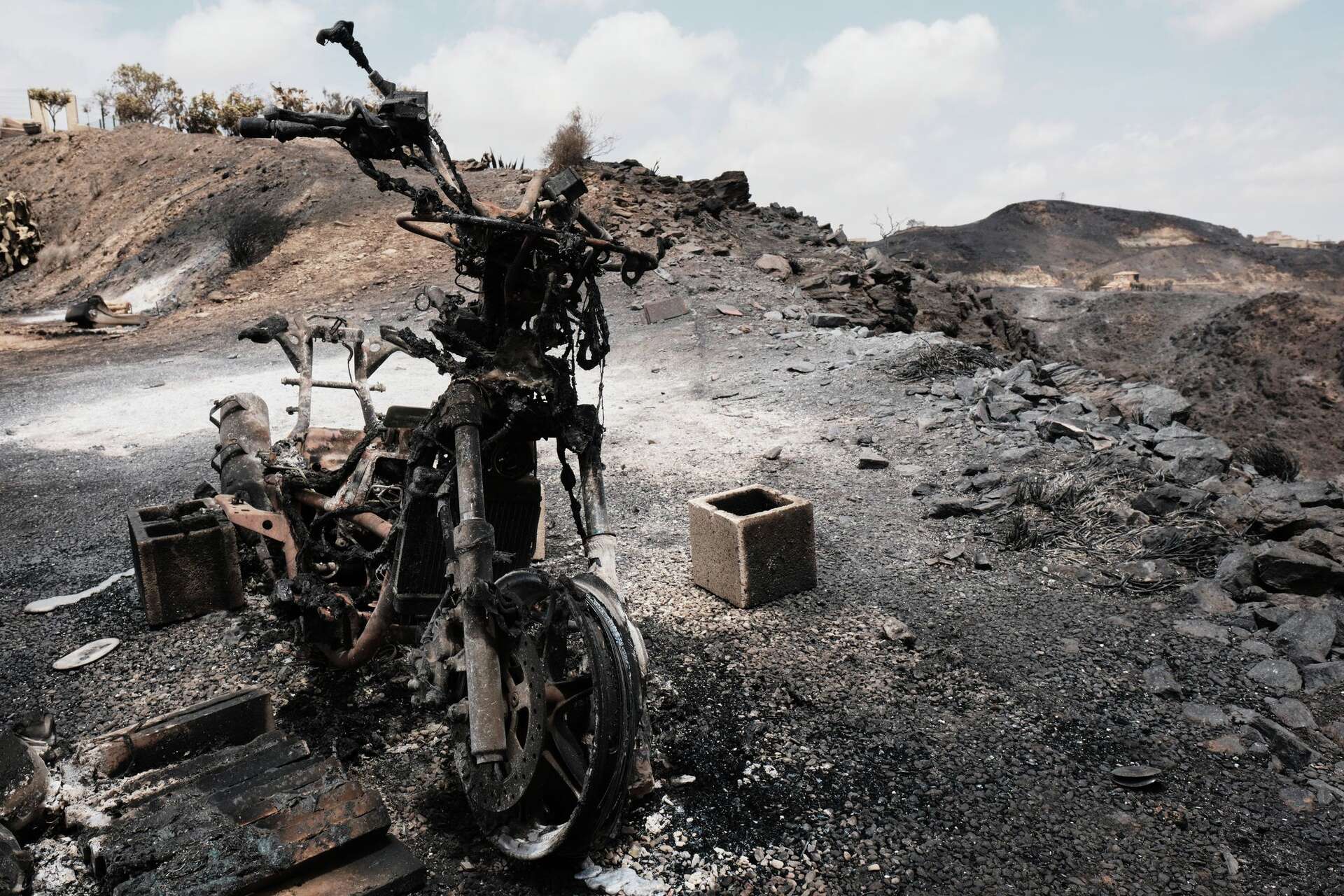
Canada wildfire smoke blankets U.S., air alerts spread across the Midwest
Smoke from 836 active Canadian wildfires spread over the Great Lakes and Northeast, triggering alerts across five states. Toronto’s air ranked worst among major cities globally.
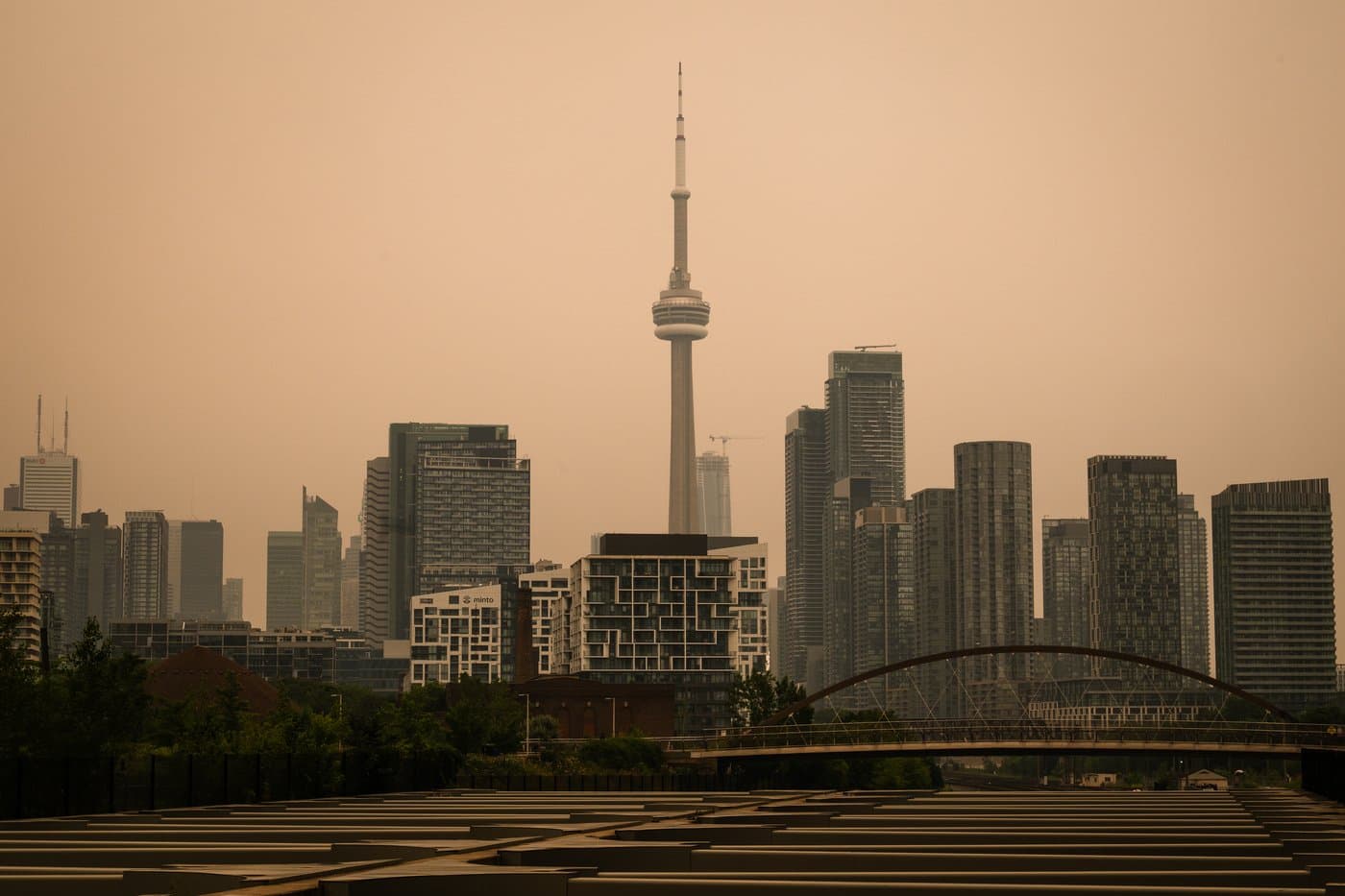
Smoke from 836 active Canadian wildfires blanketed the Great Lakes and Northeast on Wednesday, and air-quality alerts spread across Wisconsin, Michigan, New York, New Jersey and Delaware as the haze pushed south into the United States. The smoke was expected to linger through at least Friday, with rain expected Friday in the upper Midwest and Saturday in the Northeast helping to disperse some of it.
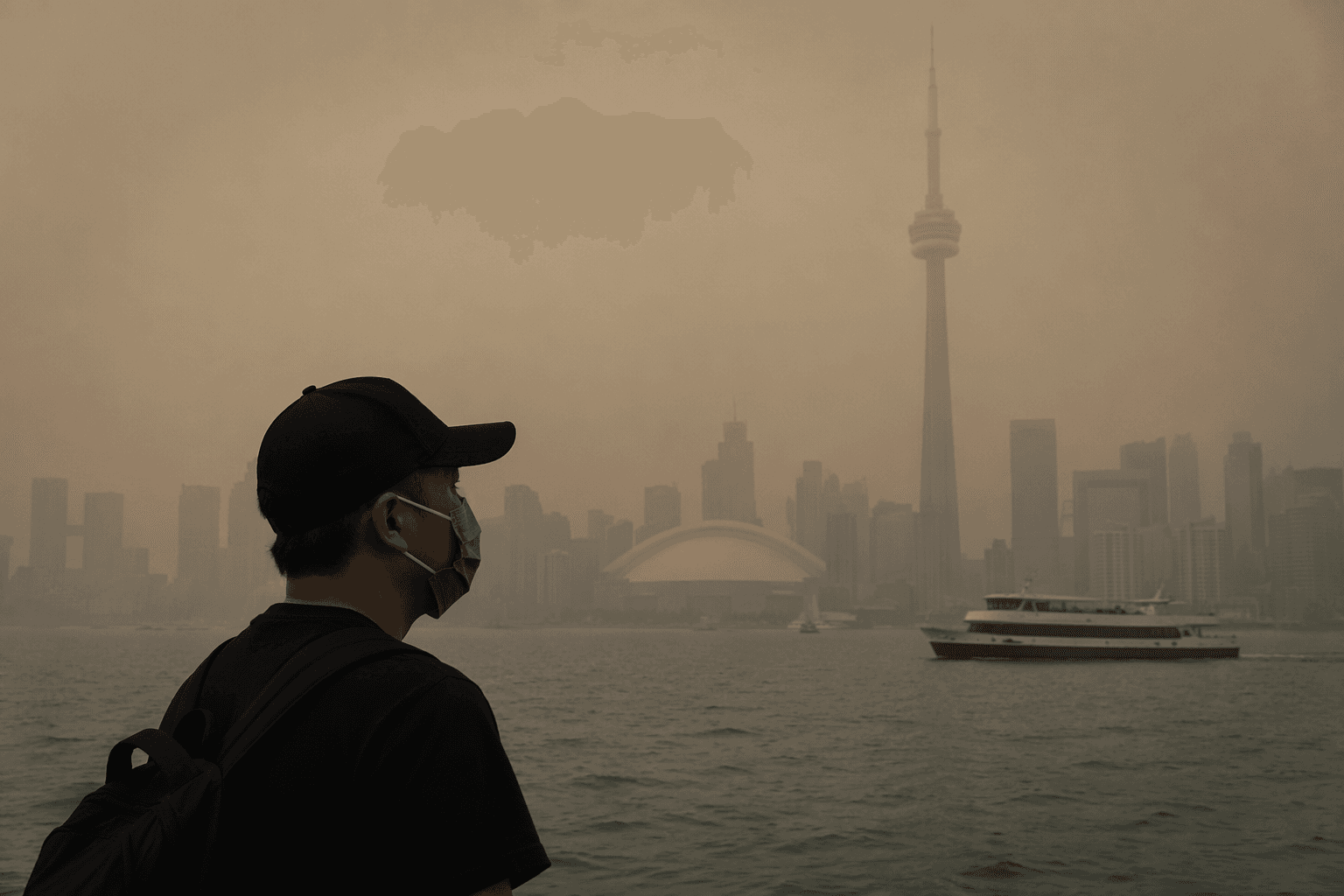
The thickest smoke was forecast around the Great Lakes and Northeast, with lighter smoke stretching from the northern Plains through the Midwest, Ohio Valley, Mid-Atlantic and Northeast. The plume was expected to affect air quality for millions of people across the Eastern U.S. Toronto’s air quality ranked as the worst among major cities globally on Wednesday.
Canada’s federal wildfire tracker showed 2,635 wildfires reported so far this year and 1,905,301 hectares burned as of July 15. The 2026 wildfire season began more slowly than in 2023 or 2025, the worst and second-worst wildfire seasons in Canadian history, but activity was expected to rise later in the summer. As of June 10, Canada had already logged 1,747 wildfires this year, including 95 active fires and 44 out of control.
The smoke event came during an extreme heat spell across much of the U.S. and Canada, which can worsen air-quality impacts and increase health risks, especially for people sensitive to smoke exposure. The U.S. Environmental Protection Agency’s AirNow Fire and Smoke Map and the Canadian government’s air-quality forecast maps were the main public tools for tracking smoke movement and PM2.5 conditions as the plume shifted east.
This article was produced by Prism’s automated news system from verified source data, official records, and press releases, then run through automated quality and moderation checks before publishing. The system is built and supervised by the people who set the standards it runs under. Read our full AI policy.
Did this article answer your question?