Spain identifies all 13 victims of deadly expatriate community fire
All 13 victims of the southern Spain fire were identified with biological samples five days after the blaze. The remote enclave is now facing questions about access and safety.
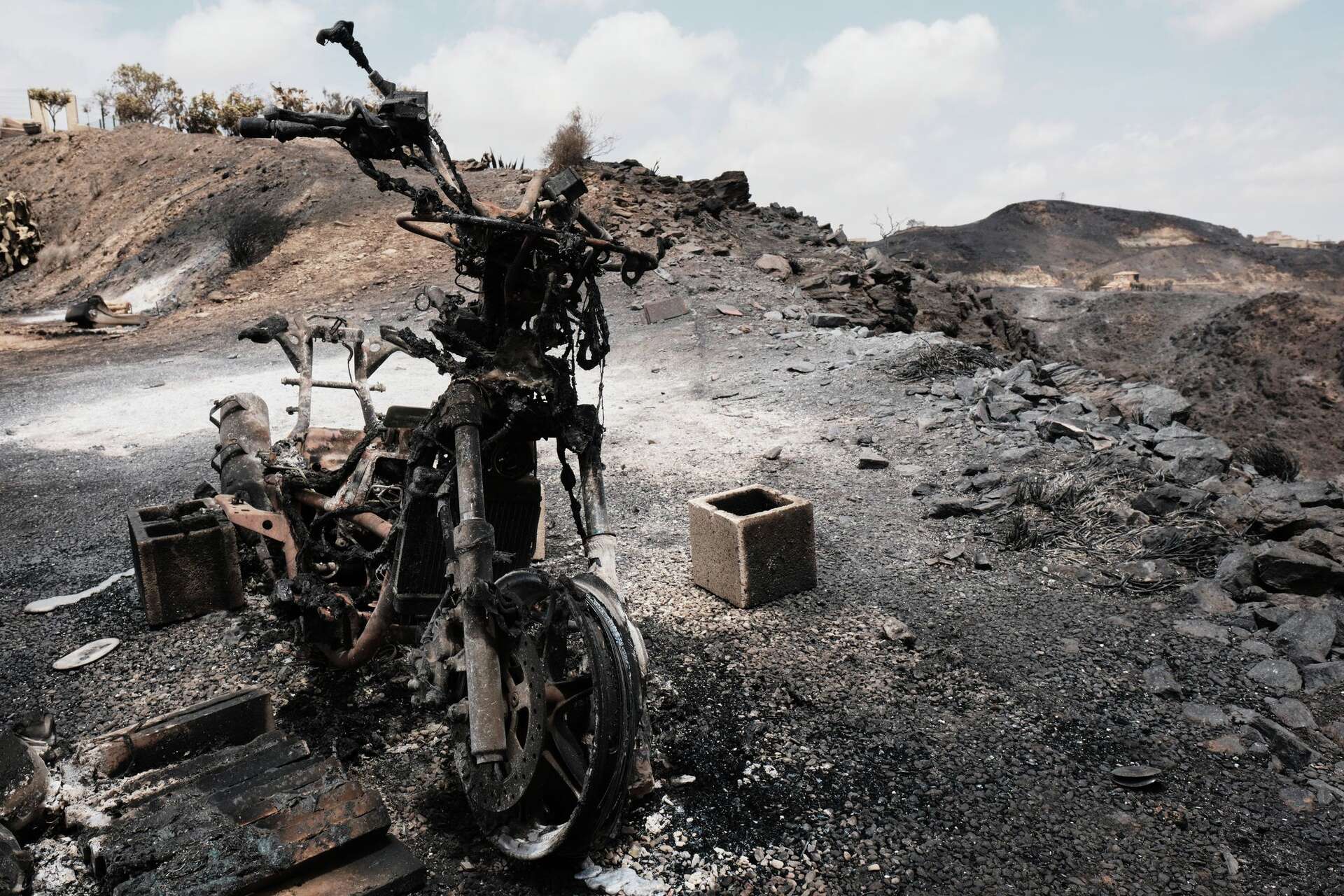
Spanish authorities identified all 13 people killed in a fire that tore through a remote expatriate community in southern Spain, confirming the victims with biological samples five days after the blaze. The grim accounting closed a difficult forensic search in a rural enclave that had drawn foreign residents to the area. It also left open hard questions about whether the community’s isolation, housing conditions or emergency access made the death toll worse.
Severe fires often leave bodies too badly damaged for visual recognition, forcing investigators to rely on testing rather than family identification. In this case, the use of biological samples showed how intense the blaze was and how much work was needed before families could receive death certificates, arrange funerals and begin repatriation.
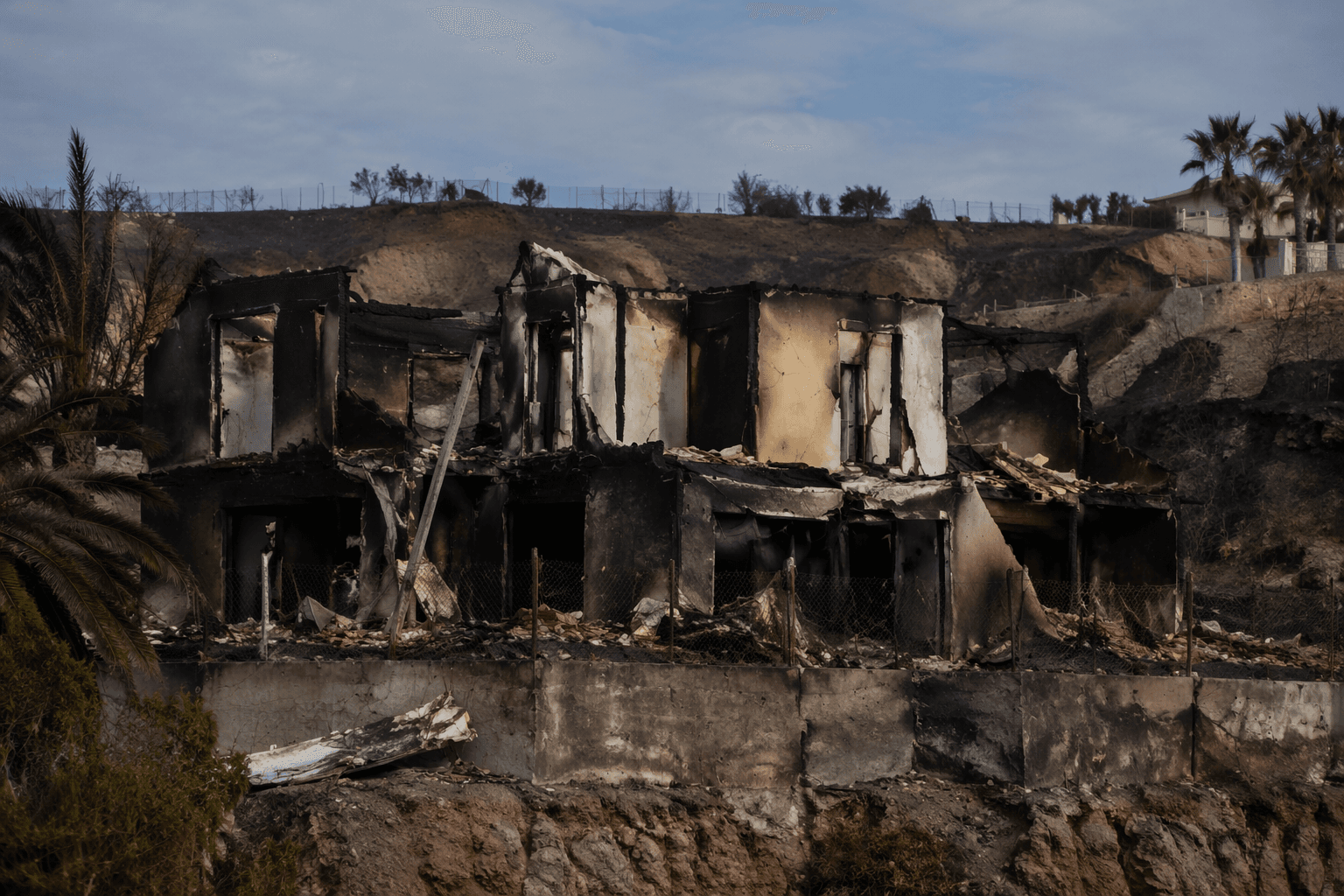
The fire shook local residents, foreign nationals and emergency officials in a part of southern Spain where expatriate communities have settled in a rural setting. The final toll of 13 dead marked one of the area’s most painful recent disasters and is likely to sharpen scrutiny of evacuation timing and whether local infrastructure could protect people once the flames spread.
The Spanish tragedy landed amid wider fire danger across Europe, where high temperatures and dry conditions have kept pressure on emergency crews. French firefighters also brought a separate forest fire under control near Fontainebleau, south of Paris, a reminder that the continent’s heat-fueled fire threat was not confined to one country.
This article was produced by Prism’s automated news system from verified source data, official records, and press releases, then run through automated quality and moderation checks before publishing. The system is built and supervised by the people who set the standards it runs under. Read our full AI policy.
Did this article answer your question?