Ukraine’s defense minister resigns after clashes over drone warfare
Mykhailo Fedorov quit after a fight over drones, exposing a larger struggle over who will shape Ukraine’s war machine and its ties to Western partners.

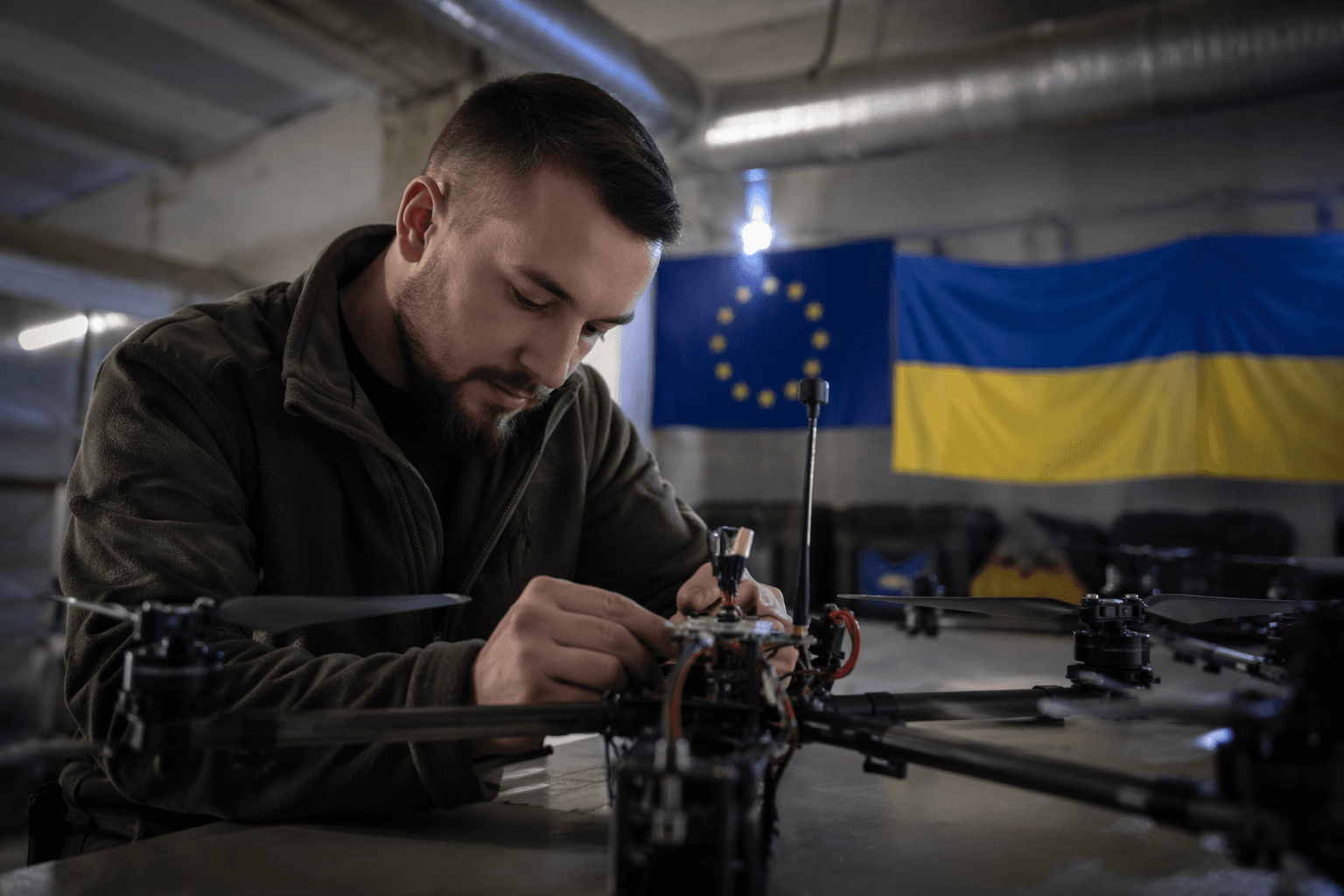
Mykhailo Fedorov resigned on Wednesday after clashes with military leaders and contractors over how far Ukraine should push robot and drone warfare, turning a personnel shake-up into a fight over the future of the country’s battlefield doctrine. His departure came as the government also absorbed the resignation of Prime Minister Yuliia Svyrydenko, which Parliament accepted on Tuesday, deepening pressure on President Volodymyr Zelenskyy to reset his wartime team.
Fedorov was appointed defense minister on January 14, 2026, at age 35, making him the youngest defense minister in Ukraine’s history. Zelenskyy chose him to bring fresh energy to the war effort and speed up reforms, and Fedorov arrived with a clear mission: he said one of his first priorities was to make sure brigades had a baseline supply of drones, then still in short supply. That pledge placed him at the center of a fast-moving transformation in which engineers, procurement officials and battlefield commanders competed to define what modern Ukrainian defense should look like.
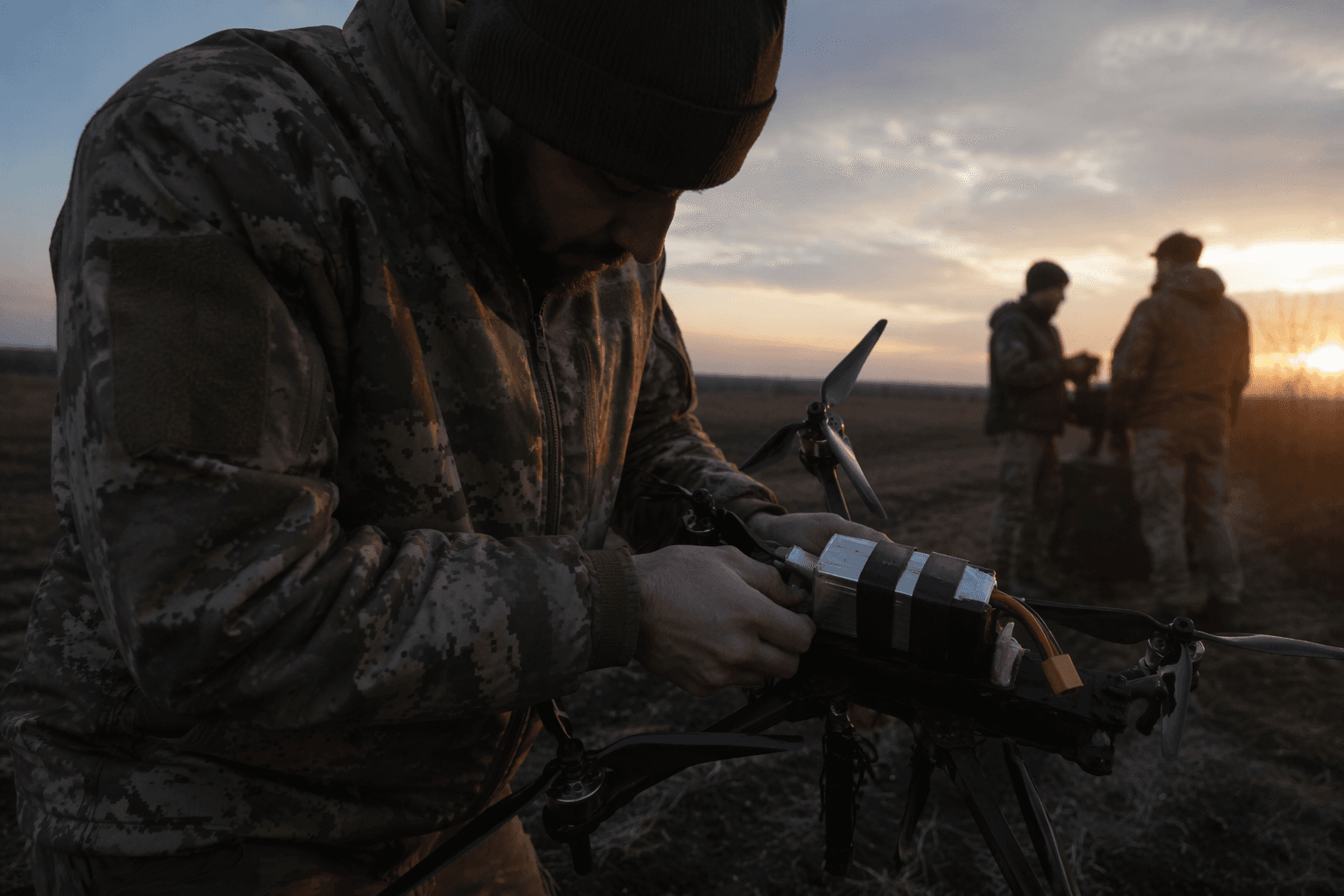
The ministry later expanded its unmanned systems drive through Brave1 Market and e-Points. By April 2026, those channels had delivered more than 181,000 drones, unmanned ground vehicles, electronic warfare systems and other equipment to the front, with a total value of UAH 14 billion. Ukrainian officials also said the country planned to produce more than 7 million drones in 2026, a figure that underscored how deeply drone manufacturing had become embedded in wartime planning.
Fedorov also used his short tenure to build international industrial links. On June 18, 2026, in Brussels, he signed implementing arrangements with German defense minister Boris Pistorius on anti-ballistic capabilities and the joint production of TerMIT unmanned ground vehicles in Germany, in the presence of Zelenskyy, NATO Secretary General Mark Rutte and European Commission President Ursula von der Leyen. The deal showed how Ukraine was trying to turn battlefield innovation into long-term cooperation with Western defense partners, not just emergency supply.
The cabinet reshuffle has now widened beyond Fedorov. Lawmakers said Interior Minister Ihor Klymenko was expected to replace him, while analysts and officials tied the dismissal to friction with army command and stalled mobilization reform. Activists called for protests after Fedorov’s removal, and drone volunteer Serhii Sternenko also stepped down from his advisory role at the defense ministry, signaling political fallout inside the pro-war camp itself.
This article was produced by Prism’s automated news system from verified source data, official records, and press releases, then run through automated quality and moderation checks before publishing. The system is built and supervised by the people who set the standards it runs under. Read our full AI policy.
Did this article answer your question?