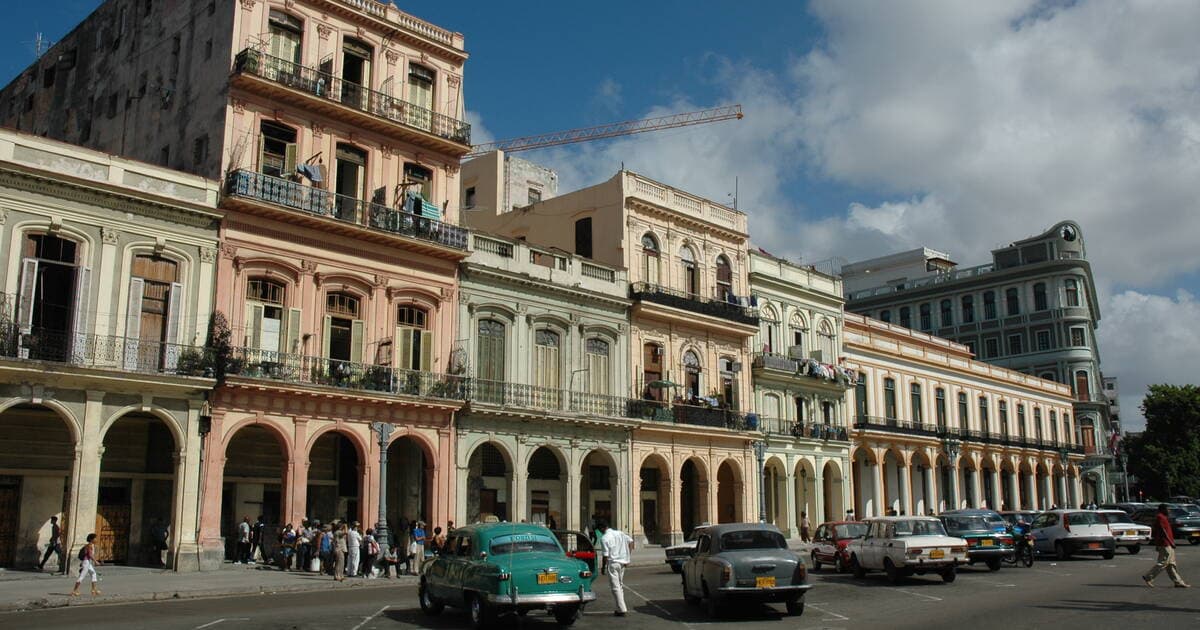
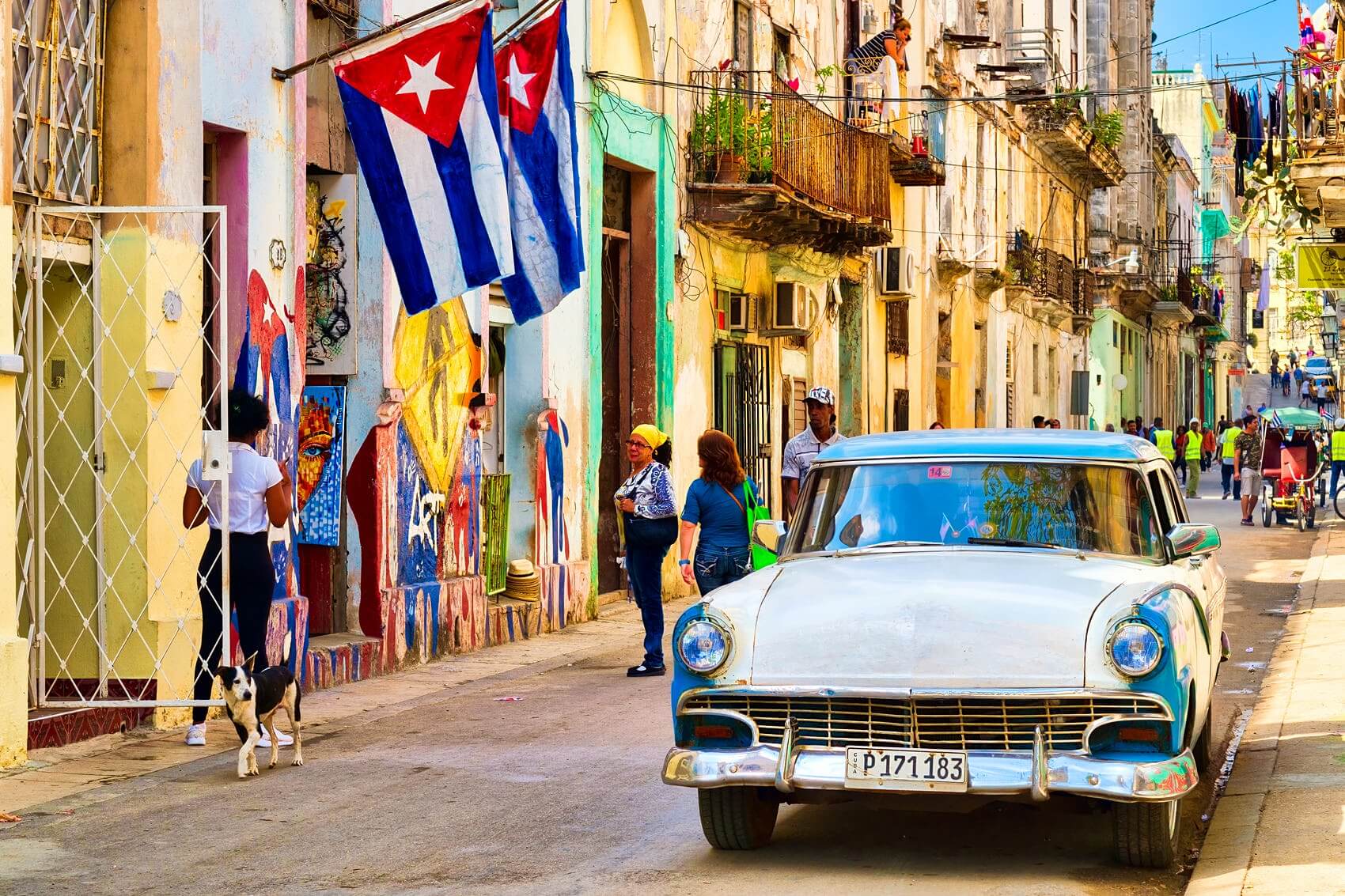
Canadians reconsider Cuba travel after advisory as visits plunge
The federal government raised its Cuba travel advisory, warning of power, fuel and supply shortages that could disrupt flights and resorts; Canadians are rethinking trips as visitor numbers fall.
The federal government has raised its travel advisory for Cuba and is telling Canadians to "exercise a high degree of caution in Cuba" as the island grapples with worsening shortages of electricity, fuel and basic necessities that could affect resorts and travel operations. Ottawa warned that "the situation is unpredictable and could deteriorate, disrupting flight availability on short notice."
The advisory lists concrete operational risks: long scheduled daily power cuts to reduce pressure on the electrical network and unexpected nationwide outages that may last more than 24 hours; fuel shortages that make travel across the island extremely difficult; frequent public-transport disruptions; travellers temporarily stranded with rental cars; and long lineups at gas stations that have sometimes led to altercations. The government urged Canadians already in Cuba to sign up with the Registration of Canadians Abroad service so officials can reach them quickly in an emergency.
On the ground, reporters and residents describe deepening blackouts and supply gaps. Ici Radio‑Canada reported that "Havana plunged into darkness after electrical grid failure," and a local resident told reporters, "The power situation is complicated, it's bad right now." The Associated Press has linked the energy crisis to fuel shortages, crumbling infrastructure, a slump in tourism, stepped‑up U.S. sanctions and a failed internal financial reform to unify the currency.
Tourism figures reflect the strain. Statistics Canada shows Canadian visits in Q1 2025 dropped by 38 percent compared with Q1 2024, and reported a 21 percent decline for April to June 2025 versus the same period in 2024. Cuba's national statistical agency reported a 12 percent drop in Canadian visitors for all of 2025. Overall tourist numbers remain far below pre‑pandemic levels: some 1.6 million tourists visited Cuba from January to November 2025, compared with 4.8 million in 2018 and 4.2 million in 2019, AP reported.
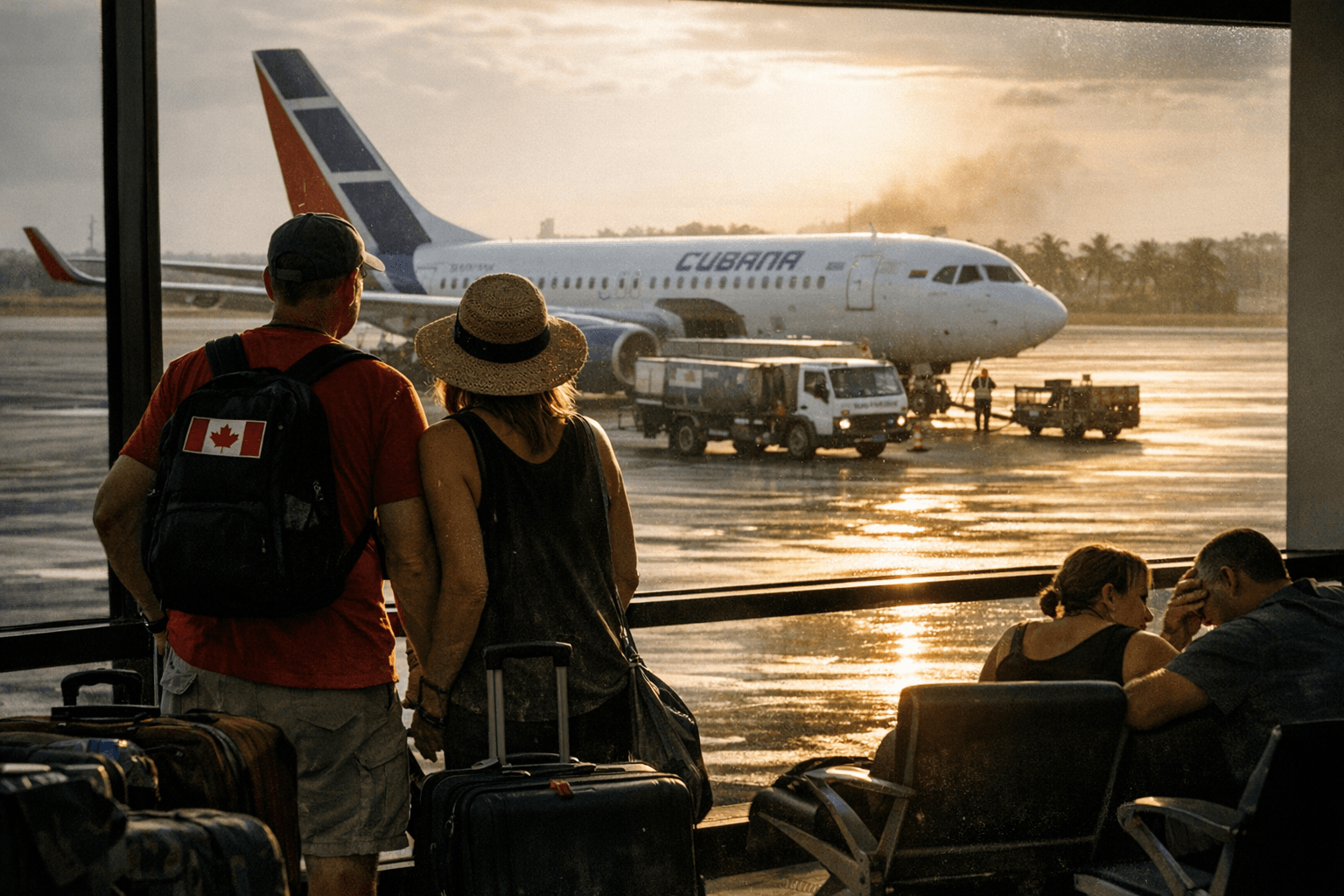
Industry and travellers are reacting in different ways. Flight Centre Canada executive vice‑president Anita Emilio said by email, "We’re still seeing Canadians book travel to Cuba, particularly repeat visitors who are familiar with the destination." The Cuba Tourist Board in Toronto issued a statement saying the Canadian market remains Cuba’s primary source of tourism and that "all resort operations are functioning normally and securely for the 2025/2026 winter season." Other travellers are cancelling: Katherine Hill, 40, of Bowmanville, Ont., cancelled a planned trip to Cayo Santa Maria with her children, citing the fuel crisis, Canada's travel advisory and political tensions. Longtime visitor Monique Belliveau, 53, of Winnipeg, summed up why some keep going: "You fall in love."
Practical steps for Canadians: confirm visa requirements and passport validity before booking, especially if routing through a third country where a Cuban electronic visa and its 10‑character code are required. The standard tourist visa allows up to 90 days; request an extension to stay up to six months. Expect unreliable card payments and ATMs; withdrawals are limited to 5,000 CUP and cash is often dispensed in CUP only. Bring enough cash and small banknotes to cover daily expenses. Check flight flexibility and travel insurance, and register with the Registration of Canadians Abroad service.
The advisory underscores a difficult trade-off for travellers weighing sun and sand against unstable services and travel disruption. Watch for further updates from Ottawa, confirm arrangements with your carrier or tour operator, and plan for limited infrastructure while Cuba works through an increasingly severe energy and economic squeeze.
Know something we missed? Have a correction or additional information?
Submit a Tip