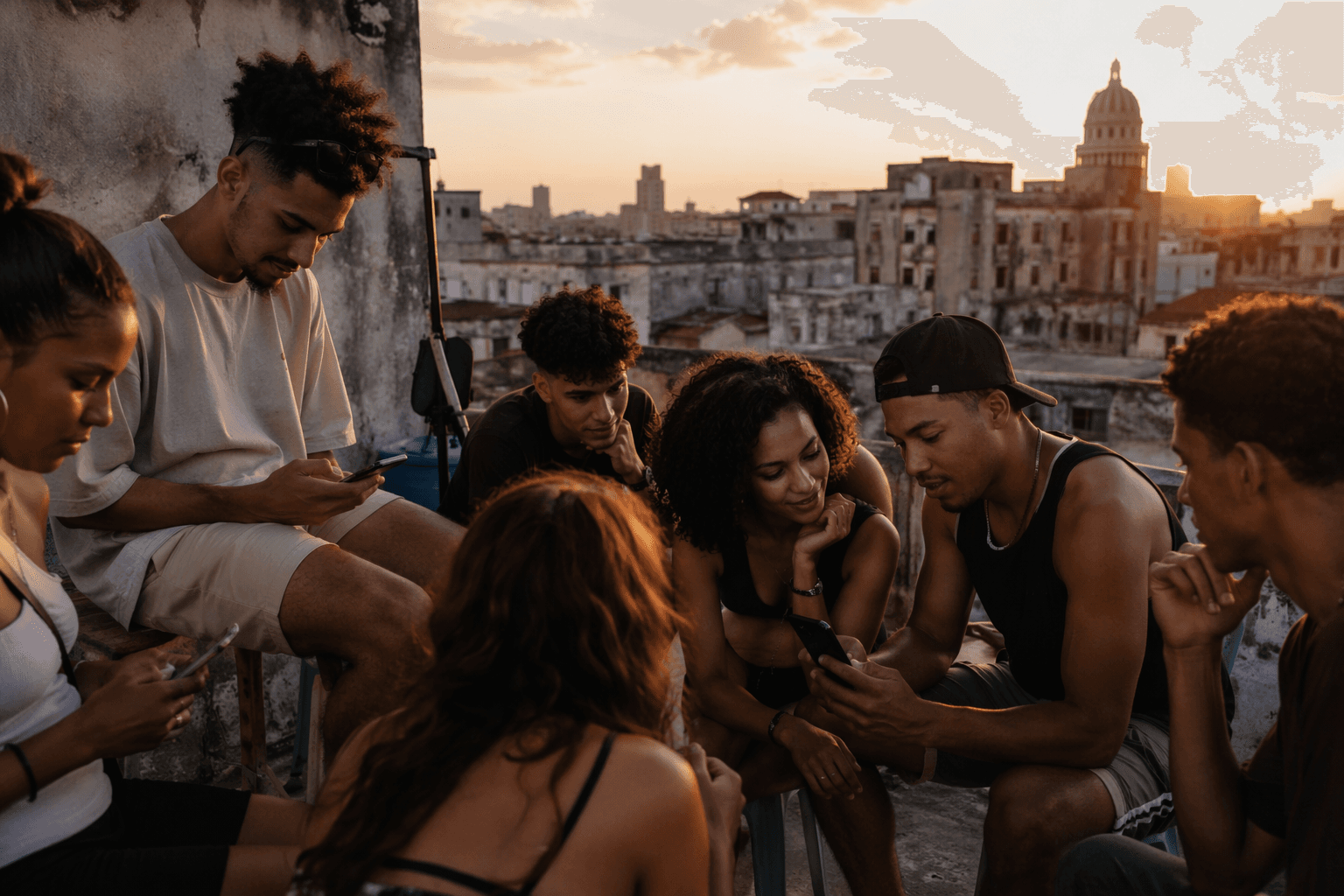
How to Plan a Safe, Practical Cuba Trip in 2026
Cuba in 2026 rewards travelers who plan for cash-only logistics, power outages, and spotty Wi-Fi — here's the practical playbook.
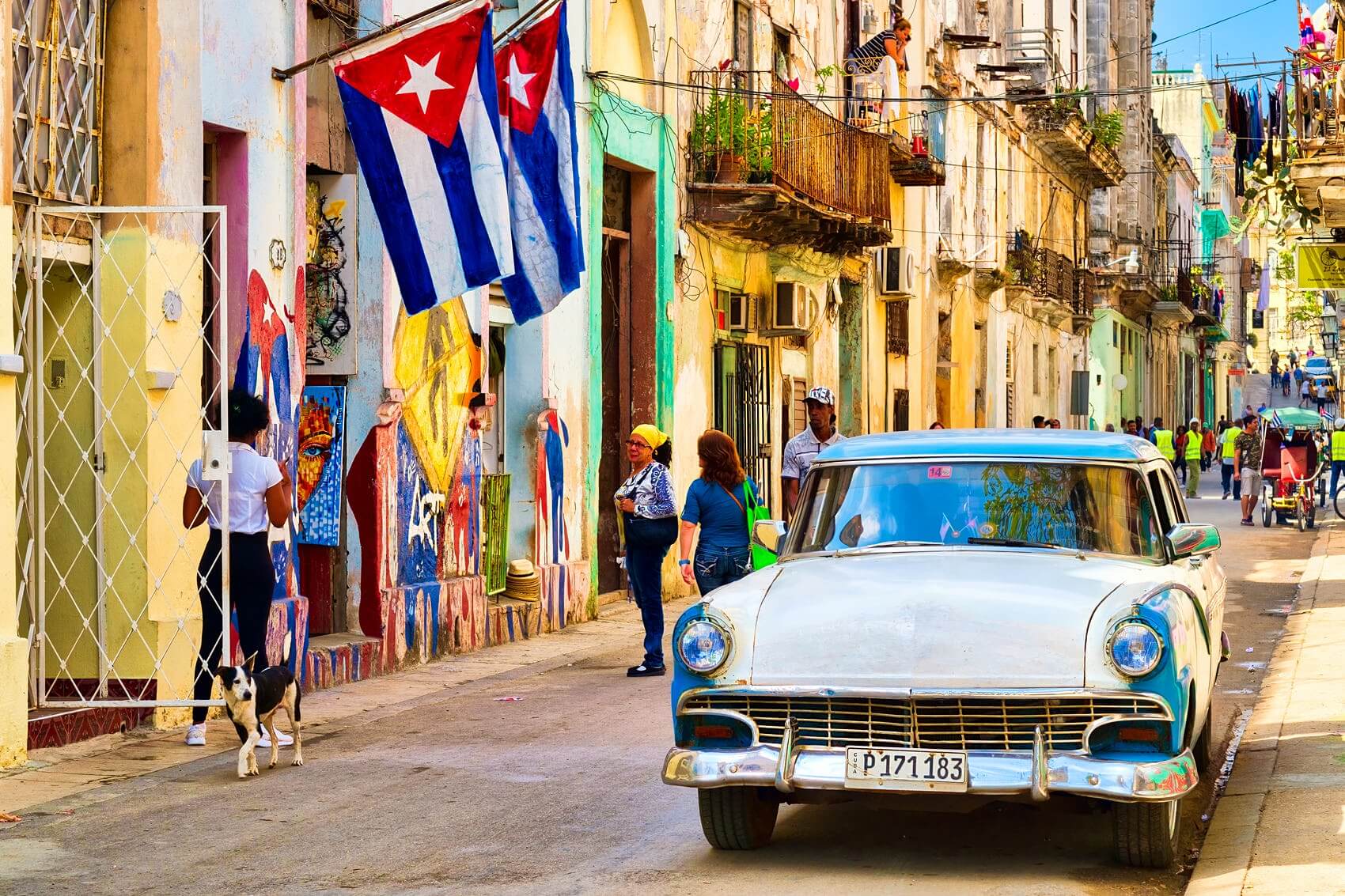
Cuba doesn't wait for you to catch up. As Cubaexplorer puts it plainly, "Cuba is in a constant state of change," and 2026 is no exception. Infrastructure constraints, shifting supply chains, and an economy navigating enormous pressure mean that the traveler who plans for uncertainty will have a far better trip than one who expects things to just work. The good news: the island is genuinely safe, its people are warm, and the private sector is alive with entrepreneurs who need exactly what you're bringing — your presence and your cash.
Start planning 6 to 8 weeks out
Give yourself a proper runway. The Grifftogo framework is specific and sensible: lock in flights during shoulder season (expect to pay $300–500), book your first casas particulares based on strong reviews ($25–35 per night is a realistic target), and map out 3–4 regional destinations with 3–5 days in each. Rushed itineraries are the enemy in Cuba. Slower travel isn't just a philosophy here — it's a practical requirement when bus schedules slip, menus change with the morning's delivery, and a blackout can reshuffle an afternoon.
Money: bring cash, then bring more
This is the single most important logistical point of any Cuba trip. Assume you will spend entirely in cash. ATMs often do not work with foreign cards, and credit cards have limited acceptance with higher surcharges on top. Bring USD or EUR in physical bills — Cubaniatravel explicitly lists both as acceptable, while Grifftogo emphasizes USD specifically, noting that "Cuba remains dollar-dependent despite embargo." Either way, the floor is clear: arrive with enough.
How much is enough? Grifftogo suggests $1,500–2,500 depending on trip length, which tracks for a trip of one to three weeks covering accommodation, food, transport, and activities. On the ground, carry only about $100 USD per day and secure the rest in your hotel lockbox. Bring small bills for tipping; large denominations are harder to use and create awkward change situations. Avoid street currency exchanges — scams are common.
The ATM picture is not completely bleak if you're in a city. Grifftogo reports that ATMs in urban areas do accept U.S. debit cards with 3–4% fees and can dispense Cuban Pesos (CUP) for local transactions. But treat this as a backup, not a plan. Outside major cities, don't count on it at all.
Documents: your passport does more than one job
You'll need your physical passport not just at the border but to exchange currency. Keep it in the hotel lockbox when you don't need it, along with travel documents, air tickets, and any remaining cash. Your lockbox is your vault for the duration of the trip.
On the insurance front: buy trip interruption and cancellation coverage before you leave. Cubaexplorer states it directly — "Trip insurance = freedom from worry" — and the advice is sound. Things can go sideways before or during travel that have nothing to do with Cuba itself, and protecting a multi-week trip investment is worth the premium.
Customs: know the list before you pack
Cuban customs has specific rules worth reviewing before you zip your bag. You can bring cameras, mobile phones, laptops, gaming devices, personal DVD and CD players, MP3 players, hairdryers, electric shavers, binoculars, radio receivers, musical instruments, and sound recording devices — all for personal use. The catch: if you're carrying more than two of these items, customs may ask whether you intend to leave them on the island. Say yes, and duty may be charged.
The prohibited list is non-negotiable:
- Narcotics (Cuba is a zero-tolerance nation)
- Explosives
- Pornography
- Anti-Cuba literature
- Aerial drones
- Stand-alone GPS devices
- Walkie-talkies
- Anything considered a weapon
Leave the drone at home. This comes up repeatedly and the consequences of getting it wrong at the border are not worth the footage.
Pack like supply chains don't exist
Because in Cuba, for many items, they effectively don't. Shops do not reliably stock basics, so bring everything you might take for granted at home: prescription medicines, toiletries, sunscreen, insect repellent, power banks, and a small torch or headlamp. The power bank and torch pairing matters more here than almost anywhere else given the frequency of outages.
Also pack snacks. Menus at paladares can change daily depending on what was available at the market that morning. Carrying something to eat when options are limited isn't being precious — it's being prepared.
Power, accommodation, and where to eat
Blackouts are a fact of Cuban daily life. When booking casas particulares, ask directly whether the host has solar panels, batteries, or a generator. A casa without any backup power means sleeping in heat when the grid goes down. Cubaniatravel notes that casas booked through their platform include a secondary power source that activates during outages — a useful benchmark for what to look for regardless of how you book.
The same logic applies to paladares (private restaurants). Choose ones known to source fresh ingredients daily and that have a secondary power source for food storage. A kitchen without refrigeration backup during an outage creates real food safety concerns. Ask questions, read recent reviews, and trust word of mouth from other travelers.
Connectivity: download everything before you land
Wi-Fi in Cuba is inconsistent at best. Most hotels and casas will offer some Wi-Fi access for WhatsApp and other apps, but don't rely on being able to stream, navigate in real time, or pull up documents on the fly. The preparation list is straightforward: download offline maps, translation apps, any entertainment you'll want, and digital copies of all important documents before you leave home. If you're planning a longer stay, buying a Cuban phone line gives you access to mobile data at low cost and is worth considering once you arrive.
Transport and guides
Use licensed private taxis and individual local guides. They are safer, more reliable, and your money reaches Cuban families directly rather than filtering through larger operators. Grifftogo makes a practical case for hiring individual guides over organized tours — you get more flexibility and create a stronger economic connection to the community you're visiting.
Safety in real terms
Cuba is genuinely safe. Cubaexplorer calls it "among the safest countries in the world, with a meager crime rate," and most travelers report feeling more secure than they do at home. Petty theft is the primary concern, not violent crime. The practical precautions are the same ones you'd apply in Paris or Barcelona: don't wear expensive jewelry, keep cameras and bags secured to your person, don't leave small items unattended, carry only your daily cash, and avoid walking alone at night in unfamiliar areas. Solo travelers, including solo women, can navigate Cuba confidently with these common-sense habits in place.
Travel as a conscious participant
The private sector in Cuba depends on tourism in ways that are direct and personal. Private restaurants, drivers, tour guides, small shops, artists, mechanics, and food importers are all sustained in part by the travelers who show up. Staying in casas particulares instead of hotels, eating where locals eat, and hiring individual guides rather than booking through large operators channels your spending exactly where it matters most.
Learn some basic Spanish before you arrive. Ask permission before photographing people. Acknowledge the gap between your experience as a visitor and the daily reality of Cuban life. As Grifftogo frames it, this mindset "distinguishes meaningful travel from exploitative tourism" — and it makes for a better trip in every practical sense as well. Cuba rewards the traveler who arrives prepared, moves slowly, and pays attention.
This article was produced by Prism’s automated news system from verified source data, official records, and press releases, then run through automated quality and moderation checks before publishing. The system is built and supervised by the people who set the standards it runs under. Read our full AI policy.
Did this article answer your question?