Cancer treatments extend lives, leaving more patients in long-term limbo
Cancer is becoming a long-term condition for more patients, but the systems for work, money and end-of-life planning are lagging far behind.
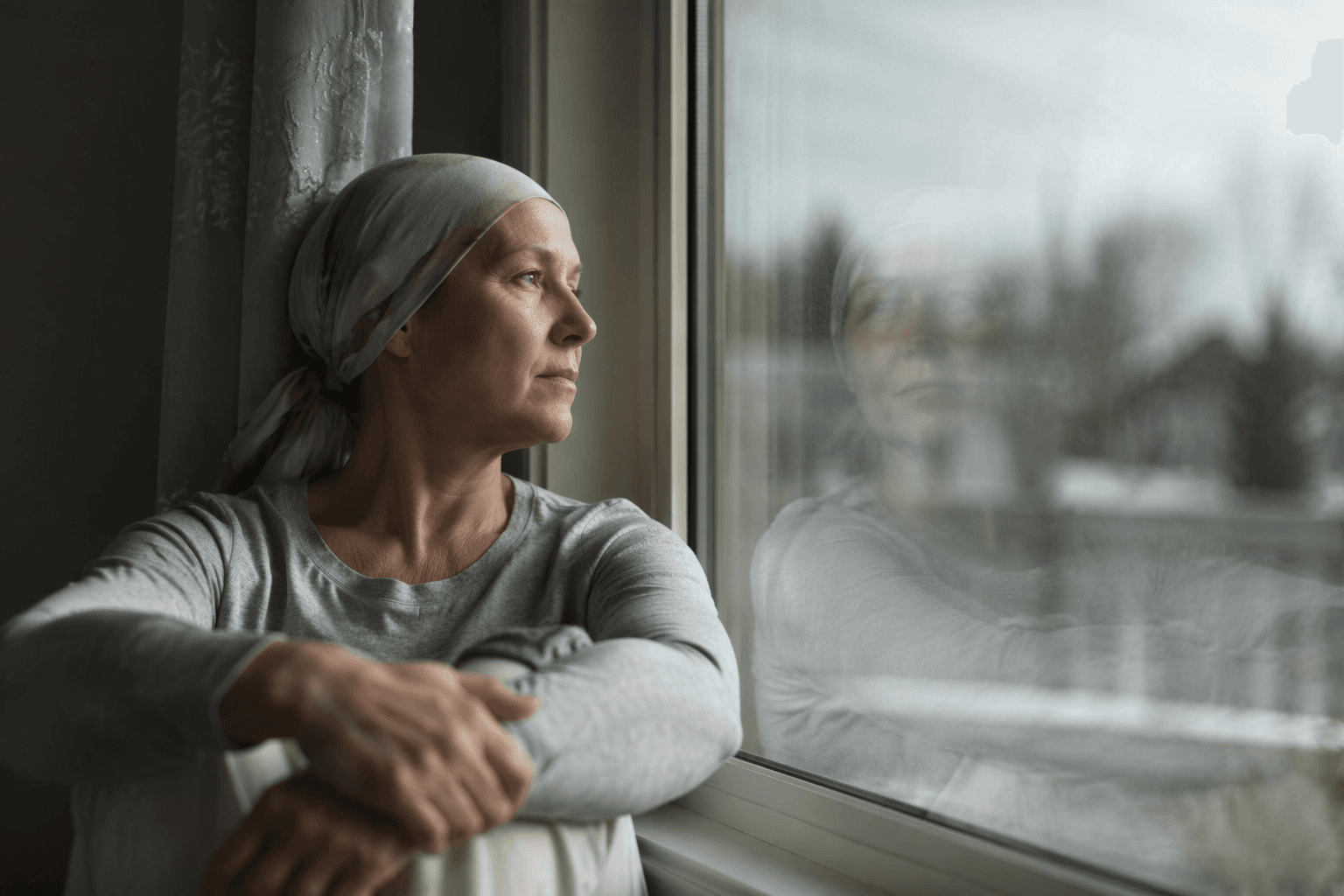
Better cancer treatments are stretching life in ways medicine once could not promise, but they are also stretching uncertainty. For people with advanced or metastatic disease, survival can now mean years of treatment, long pauses between scans, and no clean answer to whether the illness is chronic, terminal, or something in between.
A longer survival curve, without a clear map
The numbers show how quickly the landscape has changed. The American Cancer Society’s 2026 cancer statistics report put five-year relative survival at 70% for diagnoses made during 2015 to 2021, up from 63% in the mid-1990s. For distant-stage disease, the five-year relative survival rate rose to 35% from 17% over the same period. The same report said cancer mortality continued to decline through 2023, with 4.8 million deaths averted since 1991, a drop driven in part by lower smoking rates, earlier detection and better treatment.
Those gains matter, but they also expose a gap. Medicine has gotten better at keeping people alive, yet the rest of life, the job, the mortgage, the caregiving, the planning for children, partners and final wishes, has not become any less complicated. The result is a growing group of patients who are not cured, not necessarily dying soon and often left to improvise the rest.
What advanced cancer now means
The National Cancer Institute says more people with advanced or metastatic cancer are living longer, sometimes for many years. It also notes that long-term survivors may need cancer treatment for the rest of their lives or must go on and off treatment for years to keep the disease at bay. Advanced cancer is not always the same thing as imminent death: some cancers can be controlled for years, and in some cases cured.
That change is partly tied to newer therapies, including targeted treatments and immunotherapies. It also reflects a biological reality that can be difficult for families to absorb: metastatic cancer cells can remain inactive at a distant site for many years before growing again, if they grow again at all. In practice, that means a person can live in a state of watchfulness, with scans, blood tests and treatment decisions shaping life in blocks of months rather than years.
Doctors are seeing this not only in metastatic breast cancer, but increasingly in lung, gastrointestinal and kidney cancers, as well as melanoma. The old assumption that metastatic disease always moves in a straight line toward the end of life no longer matches the experience of many patients.
The new limbo has a name
Researchers have described this growing population as living with “metavivorship,” a form of survivorship that is distinct from the traditional model built around remission and recovery. The National Cancer Institute says this group often faces burdensome physical and psychosocial symptoms, unpredictable disease trajectories and complex care needs.
That is the human cost of progress. Living longer with advanced cancer can mean more time, but it can also mean more time in limbo, with no stable script for what comes next. Patients may have to keep working while treatment continues, decide when to disclose their illness, figure out what to tell children, manage debt or insurance changes, and think about end-of-life preferences without knowing how quickly those preferences may become urgent.
The mismatch is especially stark because much of the medical system is still organized around two broad categories: treatment aimed at cure and care aimed at comfort at the end of life. Many people with advanced cancer now sit between those poles for years, requiring both active oncology care and the kind of support once associated mainly with late-stage decline.
What the research community is trying to answer
The National Cancer Institute has begun to reckon with that reality. In 2021, it held a conference on living with metastatic cancer that brought together researchers and people living with metastatic disease to discuss what they need. That same year, in May 2021, the NCI convened experts, researchers, clinicians, survivors and advocates to identify evidence gaps and opportunities in epidemiology and surveillance, symptom management, care delivery and related areas.
Those meetings matter because the unanswered questions are not marginal. They go to the core of how long-term metastatic care should work: how often patients should be monitored, how to reduce symptom burden, how to support mental health, how to preserve quality of life and how to design care that changes when a cancer changes. At institutions such as Dana-Farber Cancer Institute and Weill Cornell Medicine, clinicians including Anthony Letai, Nina Agrawal and Temel are part of the broader academic conversation about this new reality.
What patients and families need the system to recognize
The central lesson is not simply that people are living longer. It is that longevity now arrives without a matching infrastructure for decision-making. The medical system has learned to buy time; it has not yet fully learned how to help people use that time.
What would help is clearer communication and planning from the start:
- A frank explanation of whether treatment is meant to control disease long term, create a treatment holiday or manage symptoms.
- Early conversations about work, caregiving and finances, because the disease may be measured in years, not months.
- Mental health and symptom support that is treated as core cancer care, not as an optional add-on.
- Advance care planning that can evolve as the disease does, rather than a single conversation reserved for the final phase of illness.
Cancer medicine has made astonishing progress. The harder task now is building a care system that can hold the people those treatments are keeping alive, not just biologically, but socially and emotionally, for the long stretch ahead.
This article was produced by Prism’s automated news system from verified source data, official records, and press releases, then run through automated quality and moderation checks before publishing. The system is built and supervised by the people who set the standards it runs under. Read our full AI policy.
Know something we missed? Have a correction or additional information?
Submit a Tip