WHO backs trial drugs as Ebola outbreak spreads in Congo, Uganda
WHO moved trial drugs into the Ebola response as cases climbed to 515 in Congo and 19 in Uganda, with a $518 million plan now racing the outbreak.
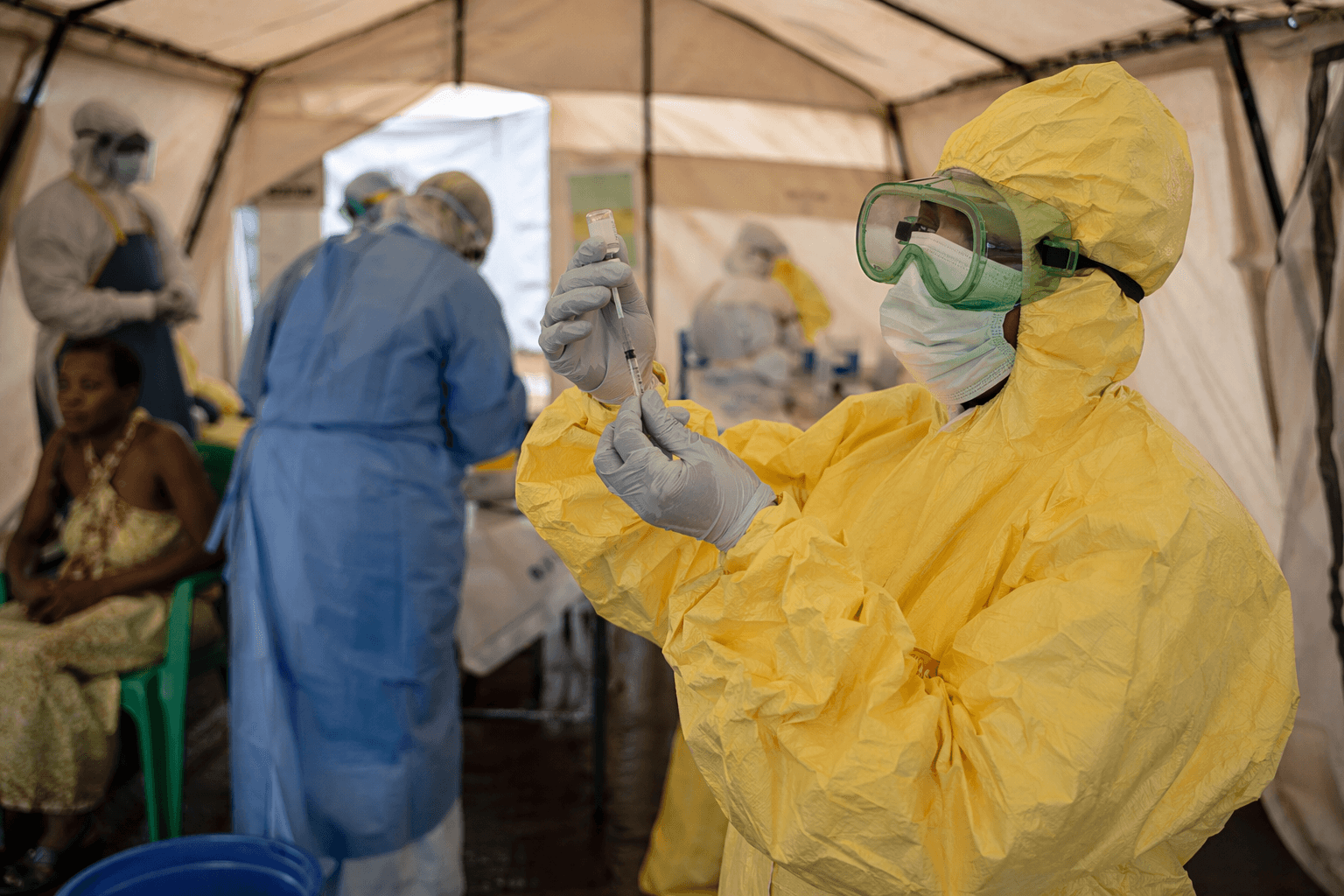
The Ebola outbreak in Congo and Uganda has become a race between viral spread and the pace of science. The World Health Organization has backed a small group of promising drugs, but only inside clinical trials, as Bundibugyo virus moves through a difficult corridor marked by insecurity, displacement and fast cross-border movement.
WHO’s decision matters because Bundibugyo virus disease has no licensed vaccine or specific treatment. On 28 May, expert groups convened by the agency recommended that candidate products be used only in trials, a move meant to generate solid evidence quickly without cutting corners in a live emergency. The treatments prioritized for study are the monoclonal antibodies MBP134 and Maftivimab, along with the antiviral remdesivir. WHO also wants to test remdesivir in combination with a monoclonal antibody, while the oral antiviral obeldesivir was singled out for post-exposure prophylaxis among contacts.
That scientific push is unfolding against a worsening outbreak. WHO said that as of 6 June, Congo had recorded 515 confirmed cases and 91 deaths, while Uganda had reported 19 confirmed cases, including two deaths and one probable death. The agency said the outbreak had expanded geographically and that part of the jump reflected broader testing and the clearing of a backlog, not only new transmission. WHO declared the outbreak a public health emergency of international concern on 17 May, underscoring how quickly the situation has escalated.
The operational challenge is just as important as the medical one. WHO said obeldesivir’s value depends on effective contact tracing, which remains hard in parts of the Democratic Republic of the Congo. The outbreak is hitting remote and densely populated areas at the same time, with humanitarian strain and insecurity complicating access. Community engagement has become central to stopping transmission. On 3 June, WHO Director-General Tedros Adhanom Ghebreyesus said Bunia had three treatment centres with 80 beds, with additional units in Mongbwalu, Rwampara, Beni, Goma and Bukavu. He also said six people had recovered in Congo and two in Uganda, a reminder that early care can still save lives.
The response has now gone continental. Africa CDC and WHO launched a six-month plan on 5 June seeking $518 million to support preparedness and response from June through November 2026. In Washington, the Centers for Disease Control and Prevention said on 12 June that no Ebola cases linked to this outbreak had been reported in the United States and that the risk to the American public and travelers remained low, even after enhanced travel screening and entry restrictions announced on 18 May. The test now is whether health agencies can move promising therapies faster than Ebola spreads, while preserving the evidence needed to know what truly works.
This article was produced by Prism’s automated news system from verified source data, official records, and press releases, then run through automated quality and moderation checks before publishing. The system is built and supervised by the people who set the standards it runs under. Read our full AI policy.
Know something we missed? Have a correction or additional information?
Submit a Tip