Canyon de Chelly Rims Open Year-Round; Guided Tours Require Navajo Nation Permits
Canyon de Chelly rims remain open year-round for free self-guided overlooks; canyon floor visits and guided tours require Navajo Nation permits and registered guides.
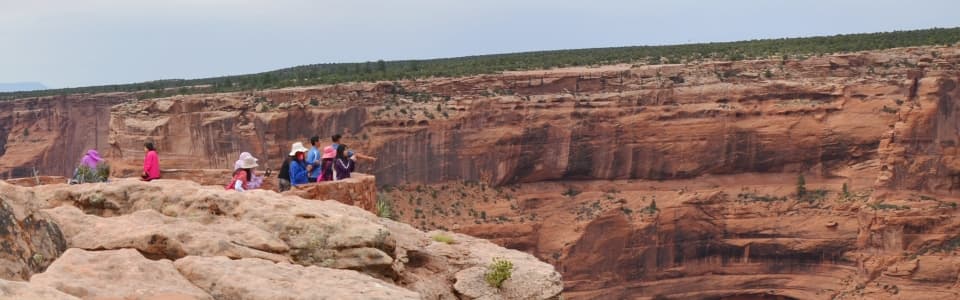
Rim access at Canyon de Chelly National Monument remains open year-round, with North and South Rim Drives offering self-guided overlooks free to the public. The National Park Service maintains that those overlooks are accessible without an entrance fee, but access into the canyon - including the White House Trail, backcountry travel, and campgrounds - is managed separately by Navajo Nation Parks & Recreation and requires permits or guided arrangements.
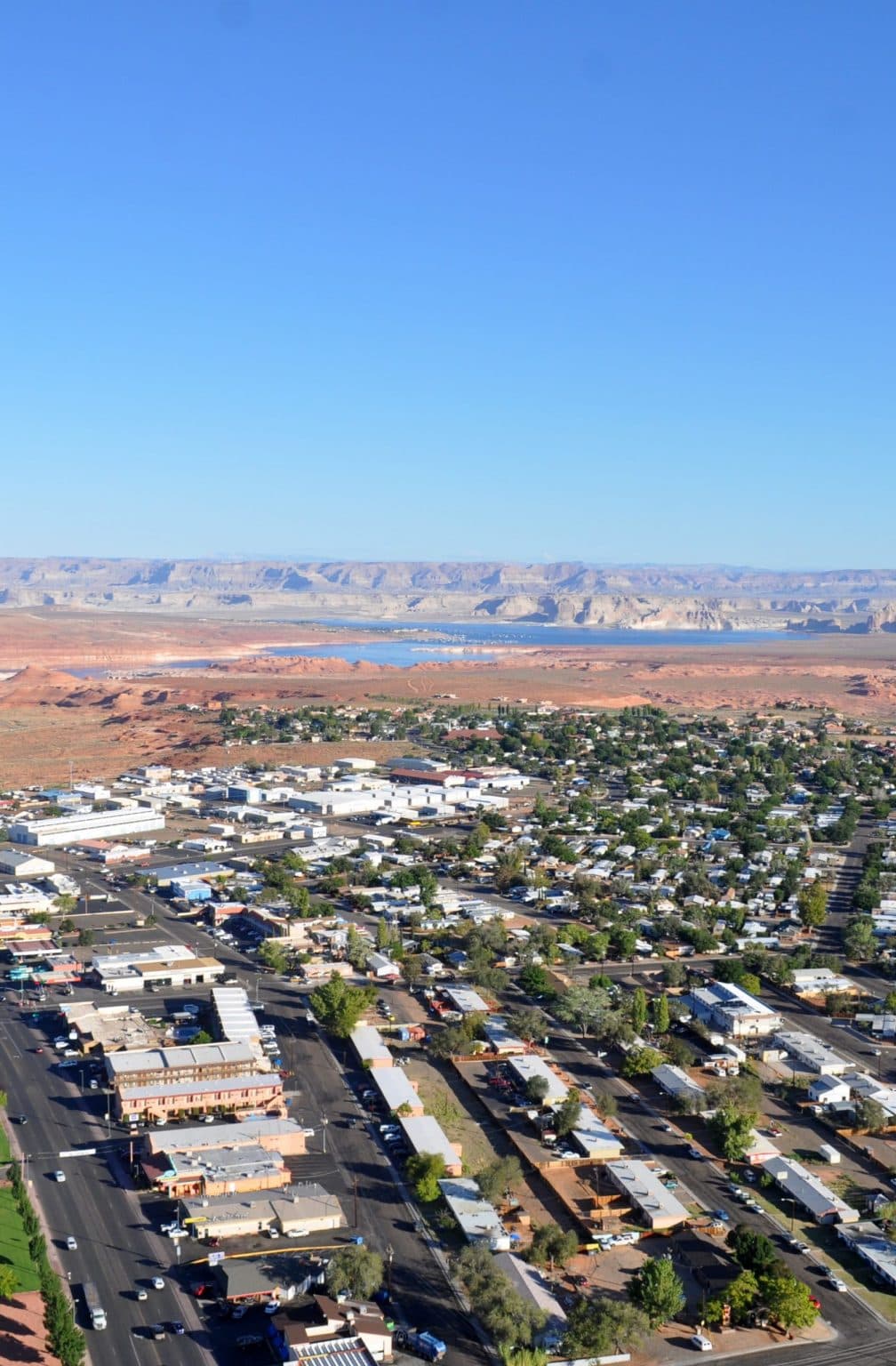
Residents and visitors arriving through Chinle should follow the NPS recommendation to use U.S. 191 into town and Navajo Route 7 to reach the monument entrance. Travelers are warned that some eastern dirt roads are not recommended because of poor maintenance; drivers should plan routes accordingly and check current road conditions before departing.
Ground access into the canyon itself is restricted. Backcountry permits and campground services are handled by Navajo Nation Parks & Recreation, and vehicle, horseback, and hiking tours inside the canyon must be booked through Navajo Parks-registered tour providers. While the rim overlooks are self-guided and free, visitors should expect separate fees for campground reservations, backcountry permits, and guided tours. Drones are prohibited and visitors are urged to respect tribal rules and the cultural sensitivity of the canyon.
The split management of rim versus floor access highlights Apache County’s unique jurisdictional landscape, where federal park stewardship and Navajo Nation sovereignty converge. For Chinle businesses that rely on tourism - from lodging and restaurants to tour operators - the permit requirement concentrates canyon-floor activity through registered local guides. That regulatory structure funnels a portion of visitor spending to Navajo Nation Parks & Recreation and to licensed Navajo providers, shaping seasonal revenue flows and local employment tied to guided experiences.
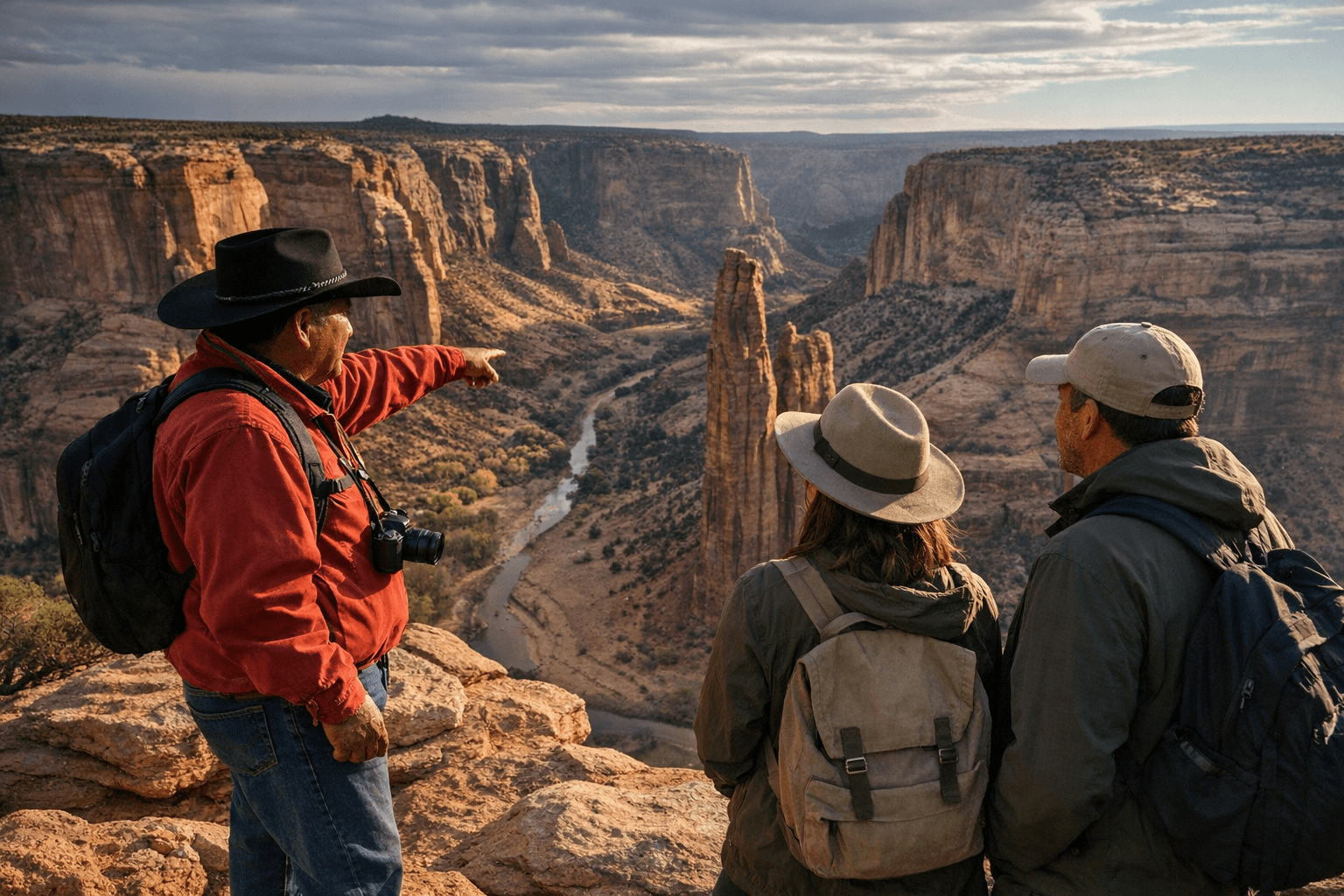
Public-safety and infrastructure implications matter for local residents. Year-round rim access supports steady visitation even in shoulder seasons, but poor maintenance on feeder dirt roads can raise costs for private vehicles and local service providers who shuttle guests. Tour operators and the Navajo Nation monitor conditions and closures, and visitors are advised to confirm availability and trail status with NPS and NNPR contacts before planning canyon floor trips.
For Apache County readers, the practical takeaways are clear: the rim drives remain a free, year-round option for scenic access; canyon floor visits require coordination with Navajo Nation Parks & Recreation and must be booked through registered guides; and road and weather conditions can alter plans quickly. As visitation patterns evolve, the permit system will continue to shape who leads canyon trips, where tourism dollars flow, and how the community balances access with cultural and environmental protection.
Sources:
Know something we missed? Have a correction or additional information?
Submit a Tip