Carville warns Democrats face a civilized civil war after election losses
James Carville says Democrats look like a “cracked-out clown car” as favorability sinks to 28% and party rifts deepen after 2024 losses.
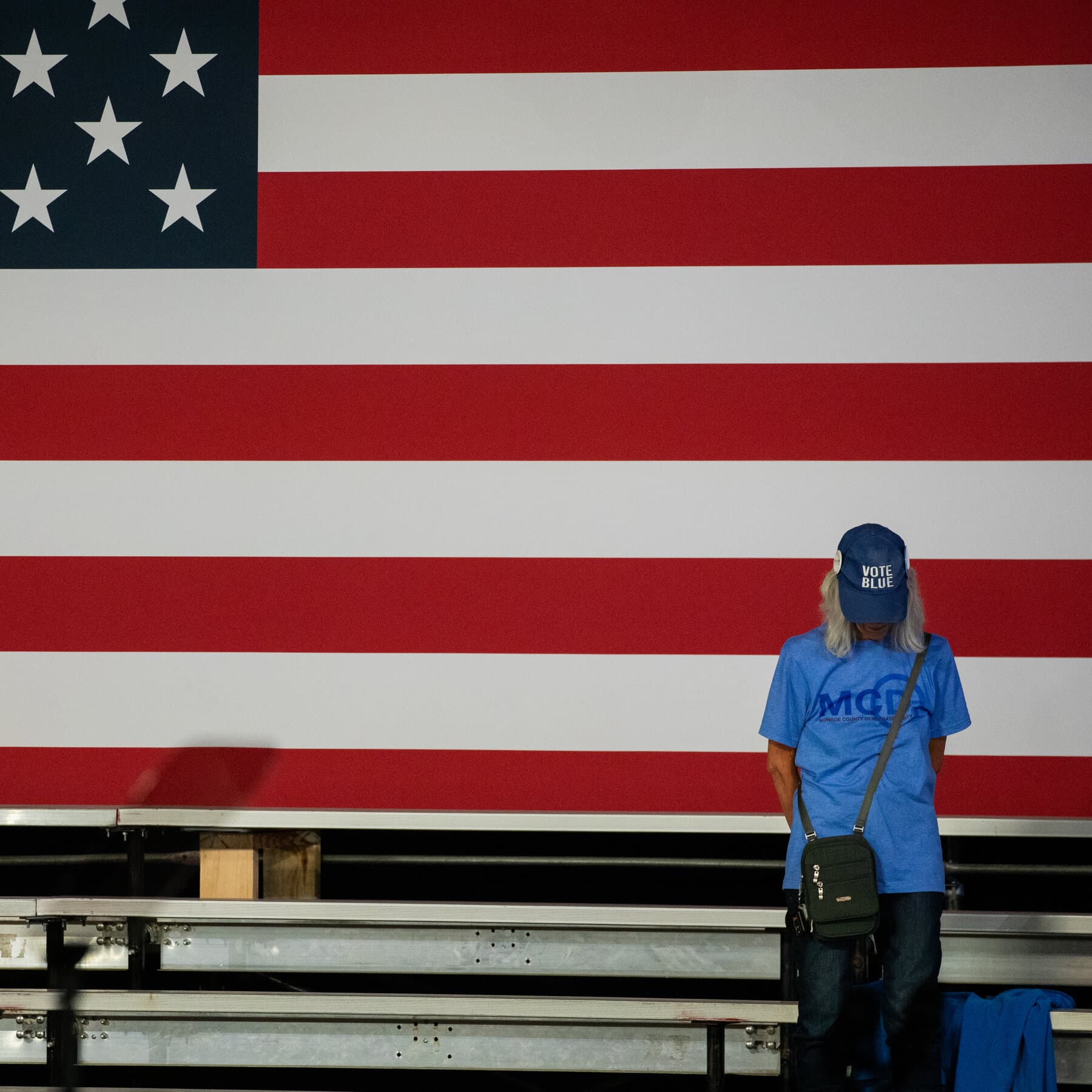
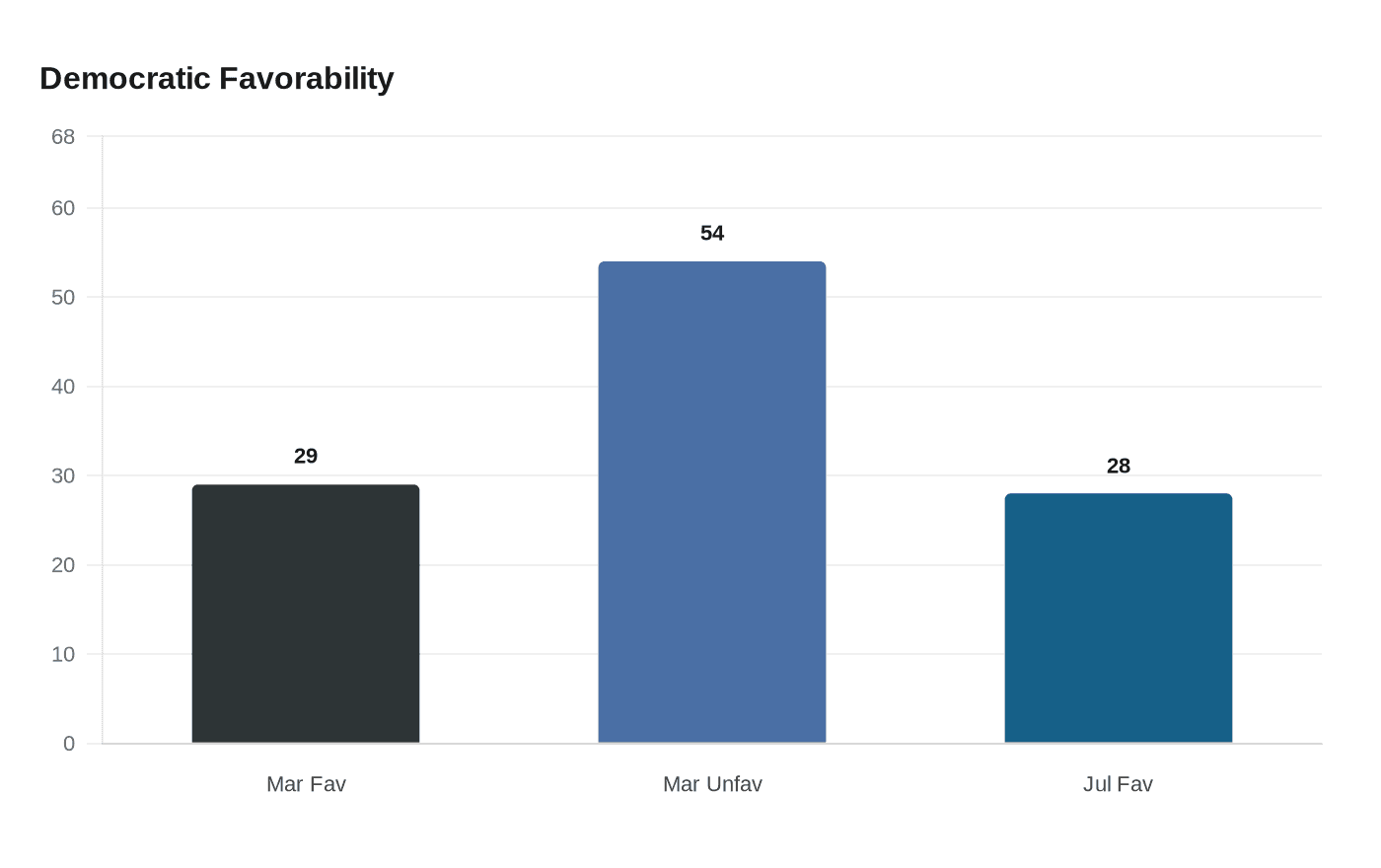
Democrats entered this political stretch with a damaged brand and an even bigger problem inside their own ranks: too many voices, too little discipline, and no clear answer for voters who just handed Republicans control of the presidency, the House, and the Senate. A CNN poll in March 2025 put Democratic favorability at 29 percent and unfavorable views at 54 percent, then another poll in July dropped the party to 28 percent favorable, its lowest mark in three decades.
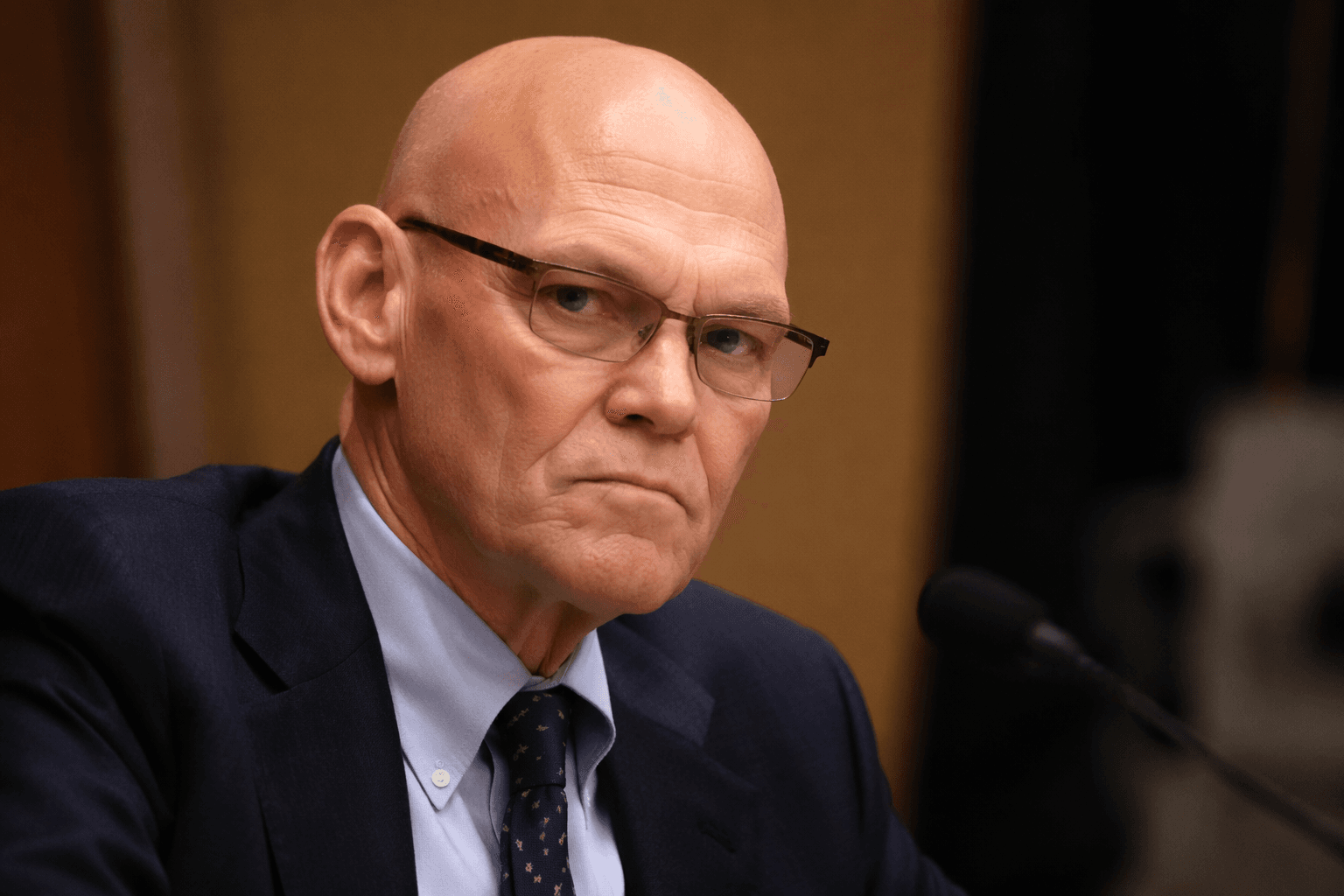
James Carville sharpened that indictment in a guest essay for The New York Times, where he said Democrats were being described by their own members as “constipated,” “leaderless,” “confused,” and “a cracked-out clown car.” That language captured more than insult. It reflected a party pulled apart by generational tension, ideological friction, and unresolved fights over economic policy and over Israel and Gaza, all while trying to find a message that can survive a national defeat.
The mechanics of the collapse are easy to see. When a party loses the White House and then watches Republicans keep the House and take the Senate, it loses more than power in Washington. It loses the assumption that it knows what it stands for. Carville pointed to Zohran Mamdani’s win in the New York City Democratic mayoral primary as evidence that the problem was not confined to one faction or one region. The larger signal to voters was mixed messaging: one wing demanding sharper populism, another still defending older party orthodoxies, and no figure strong enough to make those lines sound like a single program.
That is how a party starts looking unserious. Not because every internal dispute is fatal, but because each fight arrives in public as proof that nobody is in charge. The result is a brand problem that cuts beyond ideology. Voters see a party that cannot settle its own arguments about economics or foreign policy, and the vacancy at the top makes every disagreement look like a leadership failure rather than healthy debate.
History also suggests that political upheaval does not always mean permanent collapse. Political scientists have identified 1968 as the start of durable Republican gains in presidential voting and 1994 as the beginning of durable gains in congressional elections, with earlier realignment eras in 1894-96 and 1930-32. That pattern matters now because it frames today’s Democratic turmoil less as an extinction event than as another turn in a long cycle of party-system change.
What comes next will depend on whether Democrats can do what Carville is demanding: tell hard truths, stop feeding the impression of chaos, and convince voters that the present state of the party is not permanent. Until then, the numbers and the infighting point in the same direction, and neither is flattering.
Know something we missed? Have a correction or additional information?
Submit a Tip