Catalonia Closes Collserola Park, Tightens Controls After Outbreak
Catalonia shut the Collserola natural park and restricted outdoor activities around Barcelona after wild boar carcasses tested positive for African swine fever, Spain's first confirmed case since 1994. The measures aim to protect commercial pig farms and the pork trade, but they also risk deep economic and social fallout for rural communities and urban recreational users.
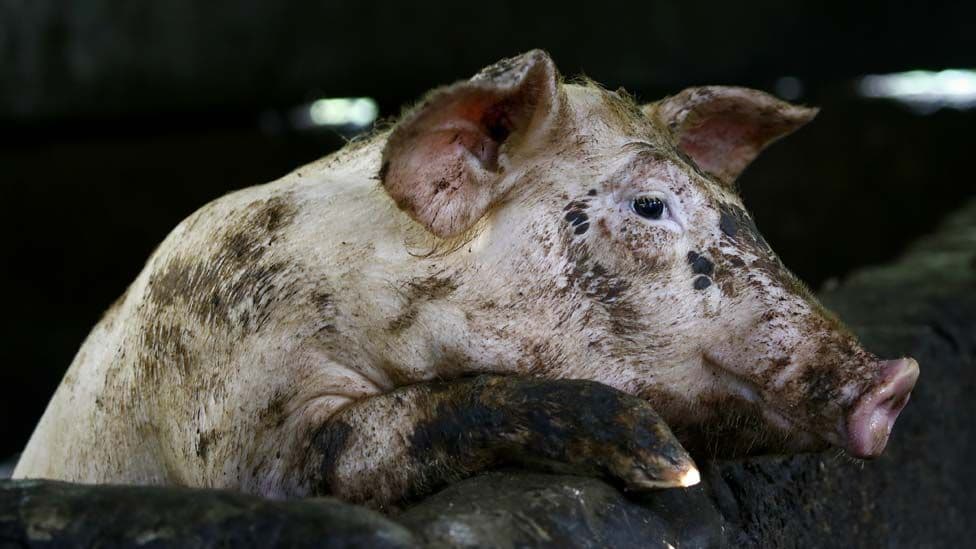
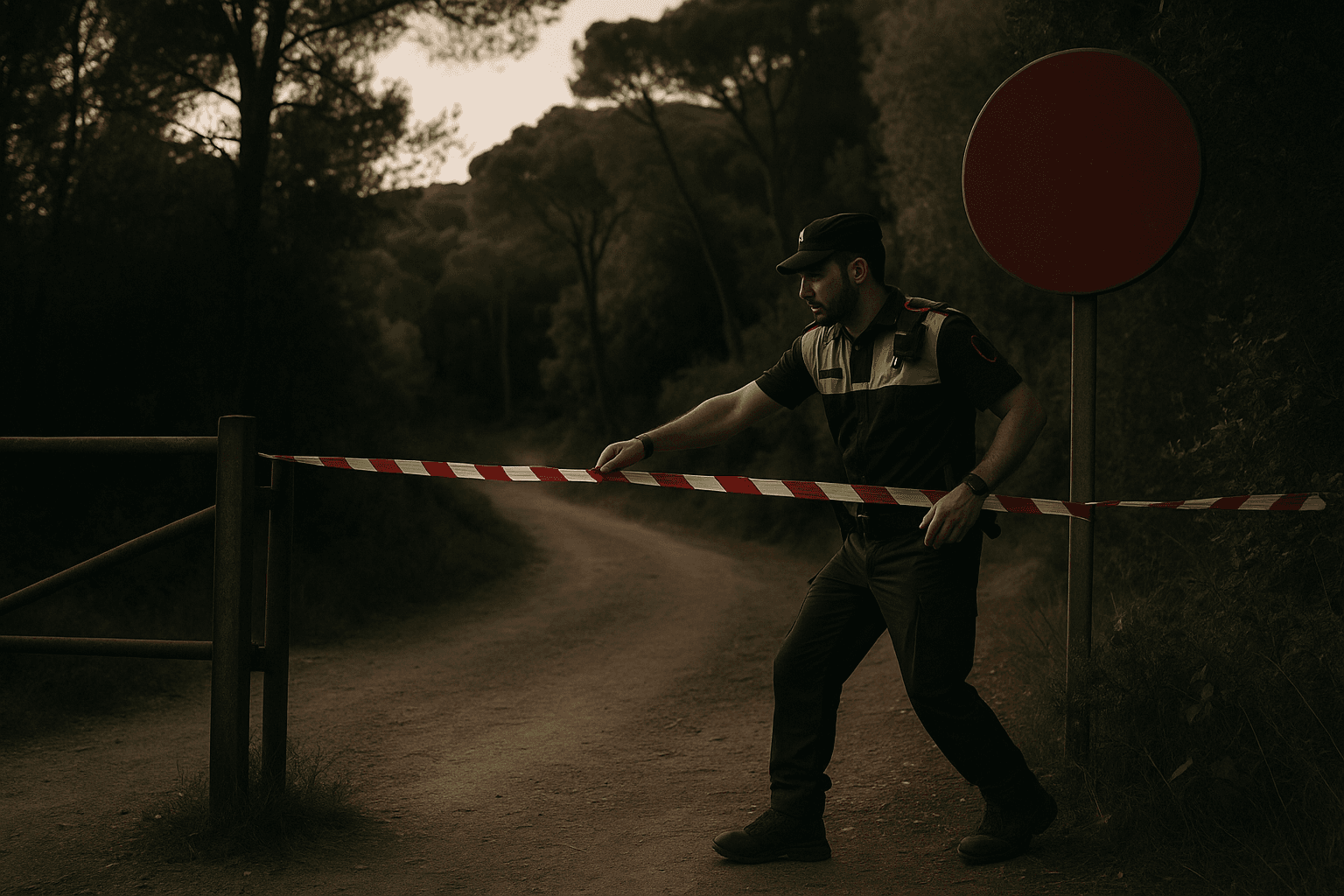
Spanish regional authorities announced on November 29, 2025 that they had closed Collserola natural park and imposed limits on outdoor activities in several villages near Barcelona after tests on wild boar carcasses confirmed African swine fever. The containment effort includes deploying traps to reduce wild boar numbers, enforcing physical barriers around sensitive areas, and implementing trade and market restrictions imposed by international trading partners. Some countries have temporarily banned pork imports from the affected provinces.
African swine fever is a highly contagious viral disease that affects domestic pigs and wild boar. It does not infect humans, but it causes severe illness and high mortality in swine populations, and it can devastate pork production. With Spain a major pork producer and exporter, the alert triggered immediate concern about supply chains, market access, and livelihoods across the region.
Regional officials framed the Collserola closure and tightened controls as measures designed to limit contacts between infected wild animals and commercial pig farms. Preventing spillover from wildlife to intensive livestock facilities is central to containment, because once the virus reaches a commercial farm the response often requires culling and strict movement controls that impose heavy financial burdens. Authorities said surveillance and carcass removal would be intensified and that enforcement teams would patrol barriers and trapping operations around the park perimeter.
The announcement underscored the broader challenge of managing wildlife disease at the urban fringe. Collserola is a heavily used green space adjacent to Barcelona and is frequented by residents for recreation, education, and tourism. Restricting access will affect daily life for nearby communities and the informal economies that depend on park visitors. For farmers and workers in the pork sector, even temporary trade bans can produce sudden income shocks, with smaller family operations and seasonal laborers likely to feel the impact most acutely.
International reaction was rapid. Trading partners enacted market restrictions on pork and related products from affected provinces, reflecting the fragility of export markets in the face of animal disease. Those bans can compound losses beyond regional boundaries, prompting cascading consequences through processing plants, feed suppliers, and transport services. The economic ripple can be particularly severe for regions with dense networks of small and medium sized enterprises tied to the pork economy.
Policy experts say controlling African swine fever relies on rapid detection, strict biosecurity at farms, coordinated surveillance, and effective management of wild boar populations. The Collserola outbreak highlights tensions between wildlife conservation, urban recreation, and agricultural biosecurity. It also raises questions about resource allocation for disease surveillance and support for vulnerable communities when containment measures disrupt economic activity.
As officials move to contain the outbreak, the immediate priorities will be mapping infected sites, protecting commercial farms, and maintaining transparent communication with residents and trading partners. The longer term task will be addressing the structural vulnerabilities that let zoonotic threats move between wild animals and intensive agriculture, and ensuring that response strategies protect both public interests and the livelihoods of those who will bear the greatest burden.
This article was produced by Prism’s automated news system from verified source data, official records, and press releases, then run through automated quality and moderation checks before publishing. The system is built and supervised by the people who set the standards it runs under. Read our full AI policy.
Did this article answer your question?