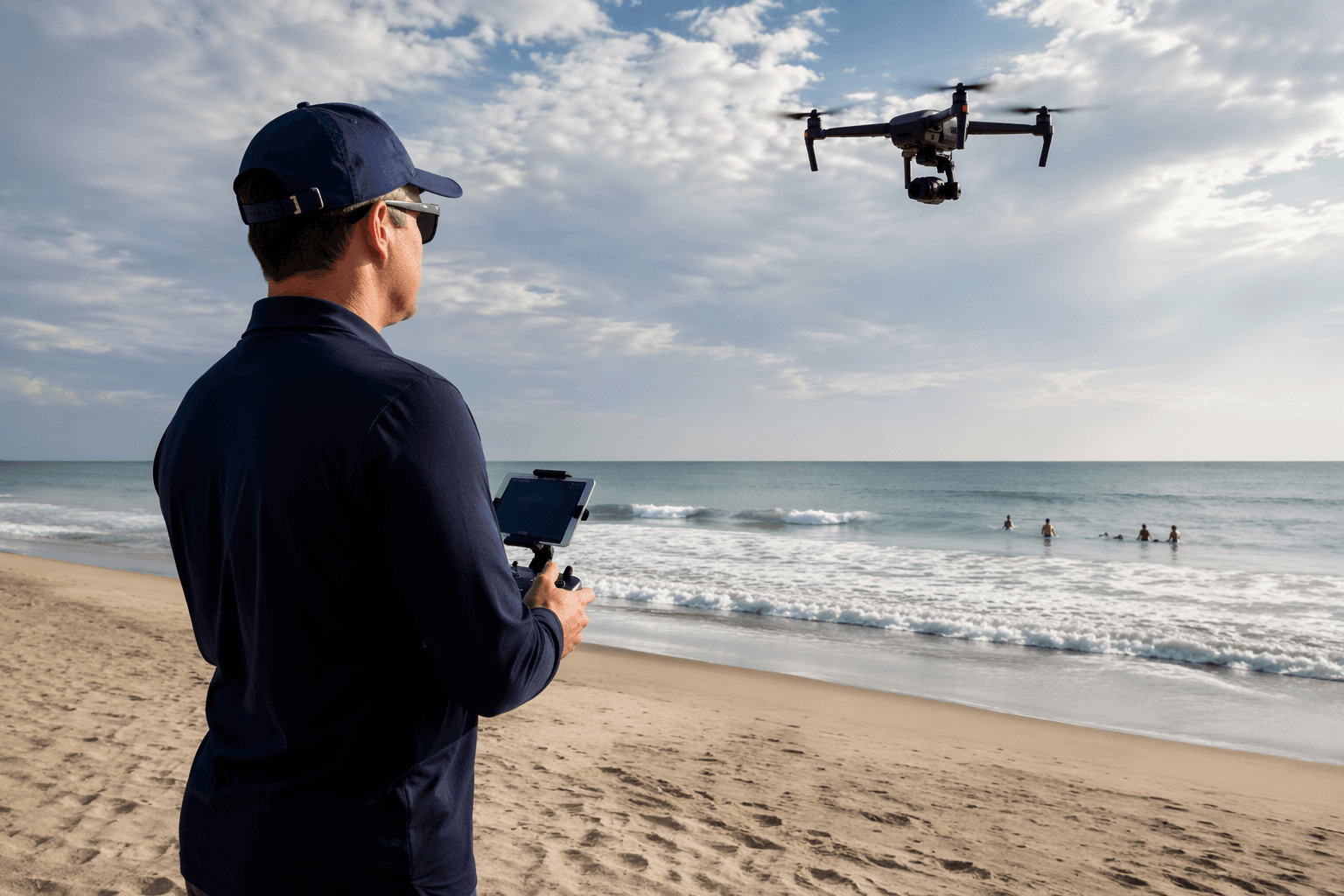
CBS panel weighs how government should regulate artificial intelligence
AI biosecurity is shifting from theory to governance, as CBS put experts on record saying the biological threat is no longer abstract and regulators are already behind.
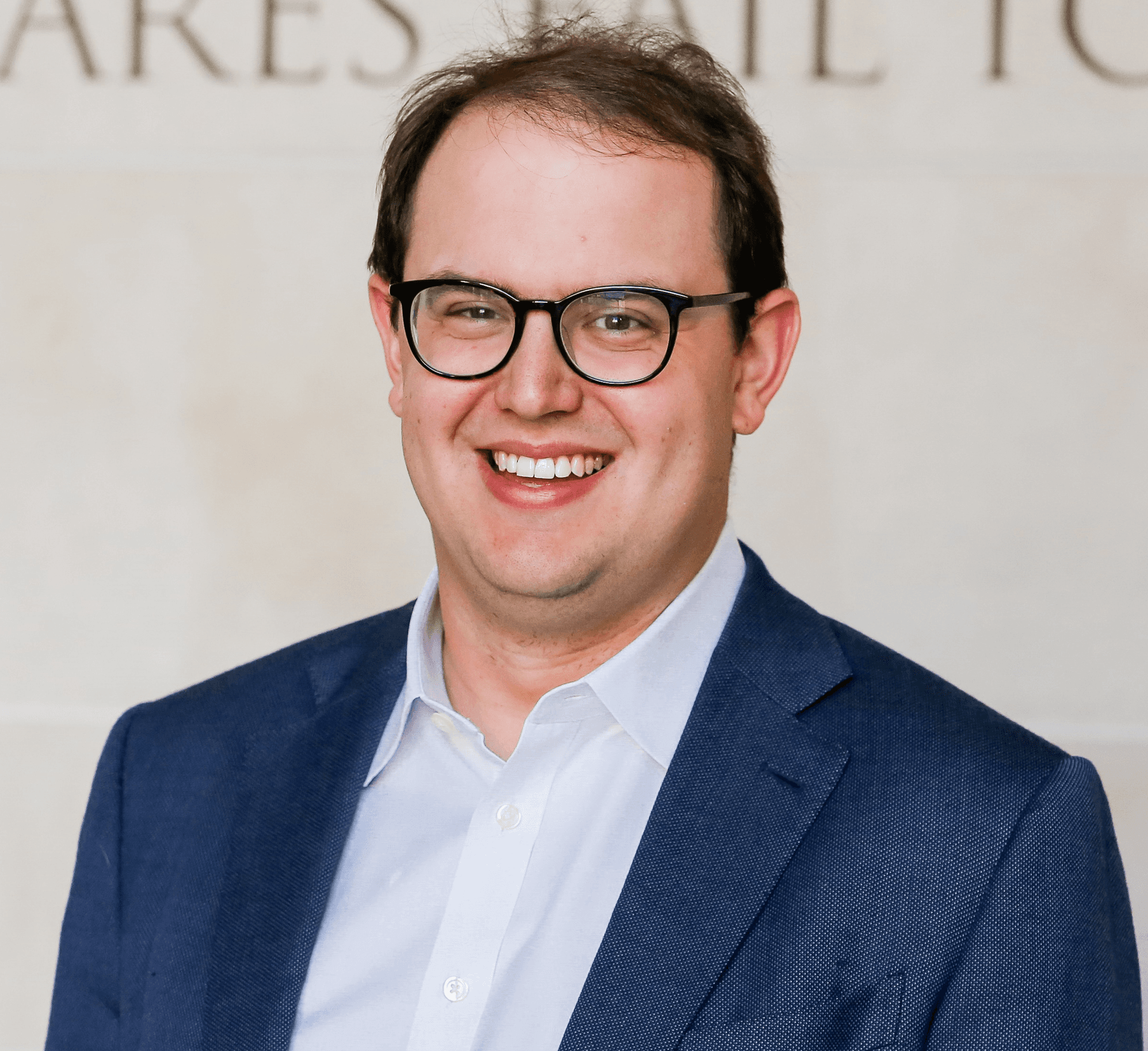
not hypothetical: that is the warning line Ben Buchanan brought to CBS News’ June 7 “Face the Nation” discussion on AI regulation. Buchanan, a former Biden adviser who now teaches at Johns Hopkins University and advises Anthropic, joined Chris Krebs, the former CISA chief and CBS cybersecurity contributor, to confront a blunt question from Margaret Brennan: whether government should have more control over the “exploding field of artificial intelligence.”
The risk is no longer abstract
The point of the segment was not whether AI can someday become dangerous. It was whether the distance between model capability and biosecurity risk has already narrowed enough to force government action now. CBS’s own framing, and Buchanan’s “not hypothetical” line, captured the core concern: advanced models may not need to create a biological weapon on their own to matter, because they could help less-skilled users move much closer to misuse.
That is the shift policy experts are watching. The threat is less about science fiction and more about acceleration, translation, and access, with AI potentially helping people with minimal expertise understand or recreate biological threats. Once that assistance becomes reliable, the issue stops being a theoretical safety debate and starts becoming a public-security problem.
What companies say they are already doing
Anthropic and OpenAI are both trying to show that the private sector has started to build defenses before governments force the issue. Anthropic’s Responsible Scaling Policy says its catastrophic-risk framework includes deliberate misuse by terrorists or state actors to create bioweapons. On May 22, 2025, the company said it activated ASL-3 Deployment and Security Standards for Claude Opus 4, adding stronger security and narrow deployment restrictions aimed at reducing misuse for chemical, biological, radiological and nuclear weapons.
OpenAI has made a similar argument from a different angle. On June 18, 2025, it said future biology-capable models could be misused to help people with minimal expertise recreate biological threats. Nearly a year later, on May 29, 2026, it launched Rosalind Biodefense and expanded trusted access to GPT-Rosalind for select U.S. government and allied partners, signaling that biodefense is now part of frontier AI planning, not an afterthought.
Taken together, those moves show an industry moving toward risk-tiered controls: tighter access, more secure deployment, and special handling for models that could touch chemistry, biology, radiology or nuclear misuse.
Where the safeguards still fall short
The problem is that current safeguards are uneven, mostly company-driven, and not yet a national standard. Anthropic can impose ASL-3 restrictions on one model, OpenAI can build a trusted-access system for another, and both can publish safety frameworks, but none of that substitutes for a common federal baseline that applies across the sector.
That gap matters because the danger grows in the seams between systems. If one company tightens access while another expands release channels, policymakers still have no single rule for testing, disclosure, incident reporting or enforcement. The result is a patchwork response to a risk that crosses borders, agencies and business lines.
The White House is trying to balance both sides of that equation. President Trump signed an executive order on June 2, 2026 titled “Promoting Advanced Artificial Intelligence Innovation and Security,” which says the United States will work with industry to address national security considerations while also pledging not to “stifle” innovation with overly burdensome regulation. That language reflects the central tension in Washington: move too slowly and the risk spreads, move too aggressively and policymakers fear freezing a technology race.
What the panel says about the politics
The CBS segment also showed how broad the AI fight has become inside government. Brennan’s broadcast included Reps. Ro Khanna of California, Jim Himes of Connecticut and Don Bacon of Nebraska, alongside Krebs and Buchanan, placing AI inside a larger national-security conversation that also touched surveillance and public policy. That mix matters because any serious AI regulation will have to move through a divided Congress, where tech oversight, national security and civil-liberties concerns rarely line up neatly.
Krebs and Buchanan represent two sides of the same institutional problem. Krebs brings the perspective of a former CISA director, where cyber risk is measured in resilience, response and infrastructure protection. Buchanan brings the perspective of a White House adviser and an Anthropic adviser, where the challenge is to anticipate how frontier models might be misused before the misuse becomes routine.
What policymakers would need to do next
If lawmakers want to stay ahead of an operational biosecurity threat, they need more than broad statements about innovation or caution. They need a framework that does three things at once: set a clear threshold for when powerful models trigger extra controls, require meaningful security testing before wider deployment, and create fast reporting channels when a model appears capable of enabling dangerous misuse.
That also means deciding who leads. CISA, national-security agencies, the White House and Congress all have a stake, but the system will fail if responsibility stays diffuse. The lesson from the current policy landscape is simple: voluntary safeguards are moving, but they are moving at different speeds, and the gap between capability and control is still wide enough to matter.
The CBS panel did not resolve that divide, but it made the stakes unmistakable. AI regulation is no longer only about labor, copyright or abstract ethics. It is about whether institutions can put guardrails in place before frontier models make biological misuse easier, faster and harder to contain.
This article was produced by Prism’s automated news system from verified source data, official records, and press releases, then run through automated quality and moderation checks before publishing. The system is built and supervised by the people who set the standards it runs under. Read our full AI policy.
Did this article answer your question?