CDC Adds Laos and Namibia to Global Polio Travel Warning Covering 32 Countries
The CDC updated its polio travel notice, adding Laos and Namibia to a Level 2 alert covering 32 countries and urging travelers to check vaccination status.
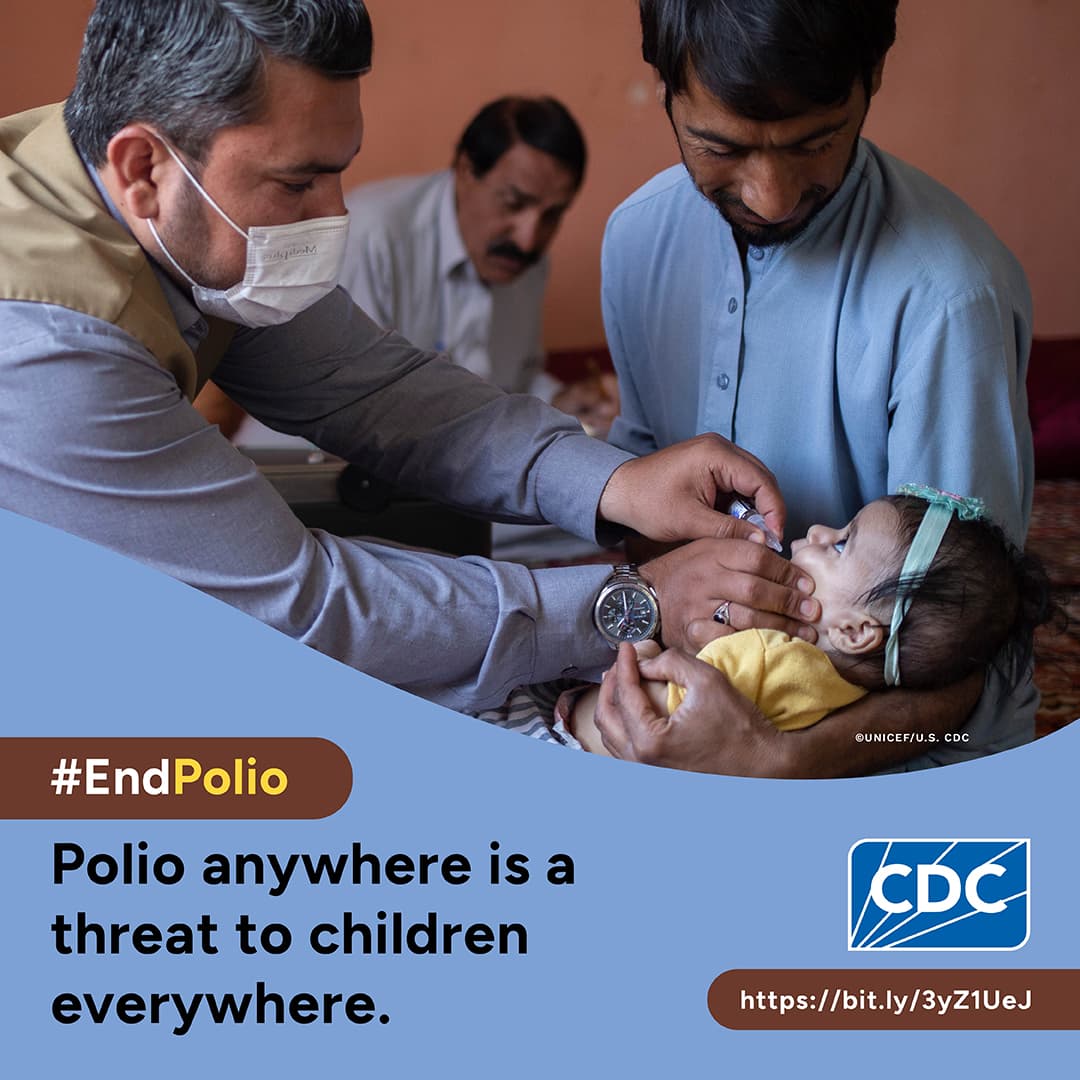
The Centers for Disease Control and Prevention expanded its Global Polio Travel Health Notice, adding Laos and Namibia to a growing list of destinations where travelers face elevated exposure risk, as the agency maintains a Level 2 alert covering 32 countries across Africa, Asia, Europe, and the Pacific.
The notice, a standing alert that the CDC maintains and updates as new poliovirus detections occur, was last revised in early March 2026. Laos and Namibia represent the newest additions to a list that spans continents and cuts across income levels, underscoring that polio's resurgence is not confined to any single region.
Polio is a "crippling and potentially deadly disease that affects the nervous system," the CDC states. The virus spreads through an infected person's feces and is transmitted when people consume contaminated food or water or fail to wash their hands thoroughly, making it a disease of infrastructure gaps as much as geography.
The 32-country list reflects the scale of the challenge facing global eradication efforts. Affected destinations in Africa include Nigeria, the Democratic Republic of the Congo, Somalia, Ethiopia, Chad, Sudan, South Sudan, Zimbabwe, Tanzania, Cameroon, Angola, Burkina Faso, Côte d'Ivoire, Ghana, Guinea, Niger, Senegal, Benin, Central African Republic, Djibouti, and Algeria. In Asia and the Middle East, Afghanistan, Pakistan, Gaza, Israel, and Yemen are included. Papua New Guinea represents the Oceania region. European destinations on the list include Germany, Poland, and the United Kingdom, while Finland and Spain, previously included, have been removed in recent revisions.
For travelers, the practical guidance is straightforward: confirm your vaccination status before departure. The CDC recommends that all travelers ensure they are current on polio vaccinations before any international trip. Adults who completed their routine vaccination series are eligible for a single lifetime booster dose if they plan to visit an affected country, a provision many travelers overlook given how distant polio can feel from everyday life in the United States.
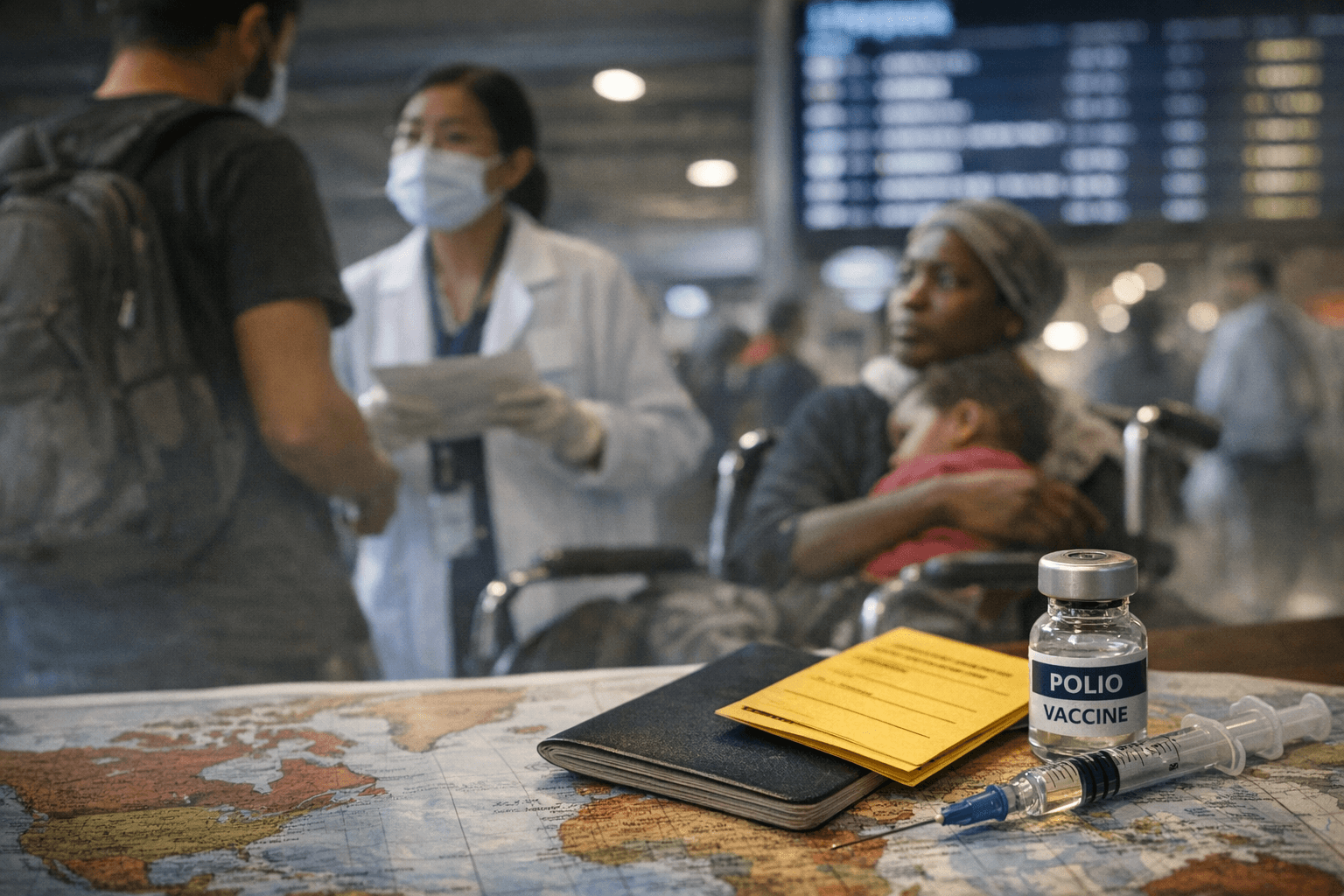
The Level 2 designation means the CDC is advising travelers to "practice enhanced precautions," a step above routine awareness but short of recommending against travel. That distinction matters for the millions of Americans who travel annually to affected regions for work, family visits, or humanitarian purposes.
The inclusion of European countries on the same list as conflict zones and fragile states reflects a troubling surveillance signal: vaccine-derived poliovirus has been detected in wastewater systems in wealthy nations with otherwise strong public health infrastructure, a consequence of pockets of under-vaccination that allow the virus to mutate and circulate.
Public health advocates have long warned that polio eradication requires near-universal coverage globally. Any gap, whether in a post-conflict setting or an under-vaccinated community in a high-income country, can allow the virus to persist and spread.
The CDC's standing Global Polio Travel Health Notice is updated as surveillance data changes. Travelers can check the current country list and vaccination recommendations directly on the CDC Travel Health Notices page before departure.
This article was produced by Prism’s automated news system from verified source data, official records, and press releases, then run through automated quality and moderation checks before publishing. The system is built and supervised by the people who set the standards it runs under. Read our full AI policy.
Did this article answer your question?