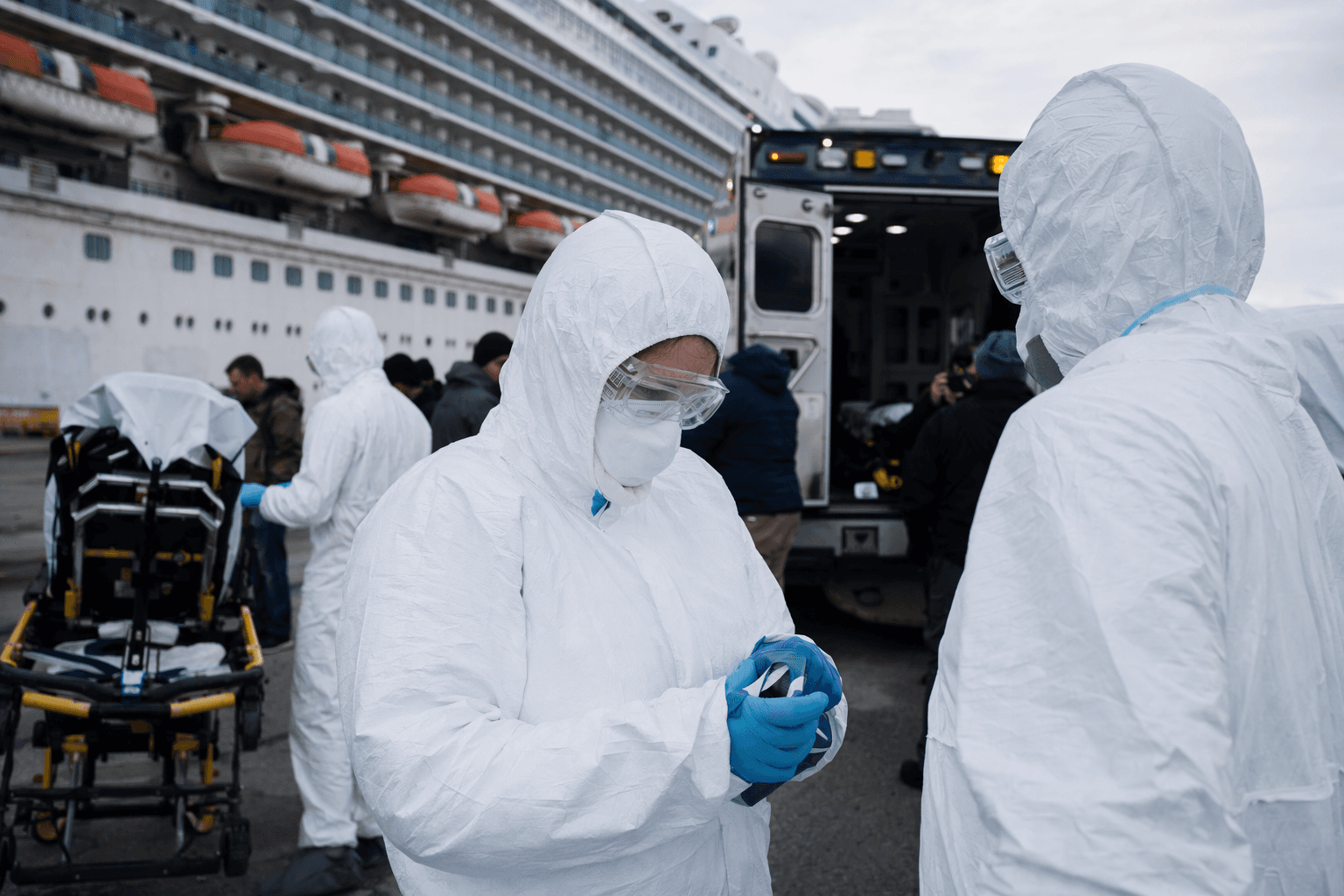
CDC chief says hantavirus risk to Americans remains very low
CDC says no U.S. cases have emerged from the cruise ship outbreak, and the biggest risk is direct rodent exposure or close contact with a sick person.

Dr. Jay Bhattacharya, who is serving as acting director of the Centers for Disease Control and Prevention while remaining head of the National Institutes of Health, cast the Atlantic Ocean Andes-virus outbreak as a contained travel-health issue, not a national alarm. CDC says no cases have been reported in the United States from the cruise ship outbreak, the overall risk to travelers and the American public remains extremely low, and routine travel can continue as normal. Some U.S. passengers had already disembarked before the outbreak was identified, which is why CDC notified state health departments and coordinated with the State Department and the Administration for Strategic Preparedness and Response.
The people most at risk are not the general public but those with close exposure to infected rodents or to a sick person carrying Andes virus. CDC says hantaviruses usually spread from rodents through urine, droppings or saliva, often when contaminated material is stirred into the air, and Andes virus is the only hantavirus known to spread person to person. That transmission route is usually limited to direct physical contact, prolonged time in close or enclosed spaces, and exposure to body fluids. CDC has also issued monitoring and infection-prevention guidance for people who were on the M/V Hondius or who may have been exposed to an infected passenger on an aircraft.
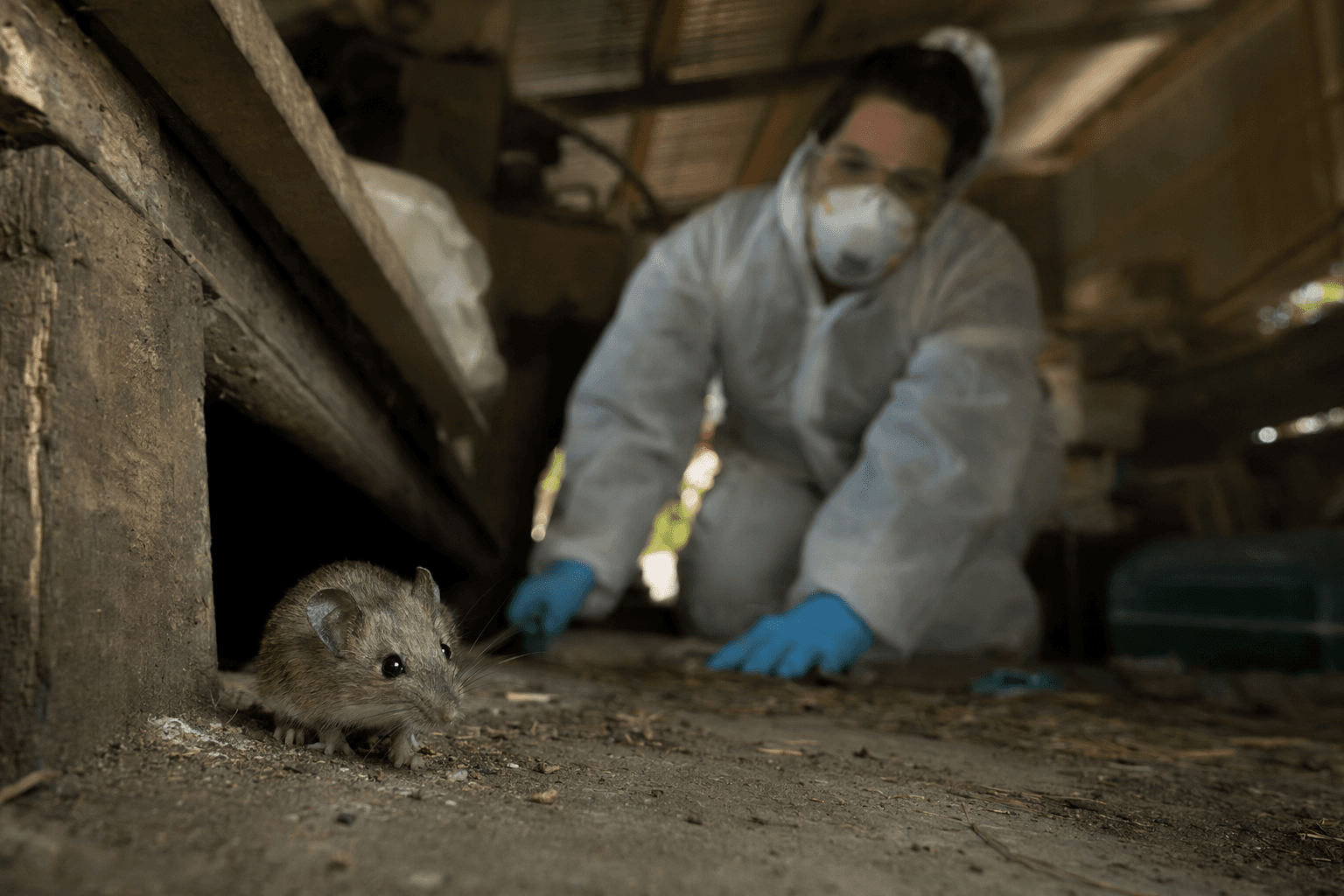
What should prompt medical attention is a flu-like illness after a plausible exposure. CDC says early signs can include fever, fatigue, muscle aches, headaches, dizziness, chills, nausea, vomiting, diarrhea and abdominal pain, with cough and shortness of breath developing later, typically 4 to 42 days after exposure. The agency says symptoms can develop rapidly and that people who think they were exposed and are becoming ill should contact a medical professional immediately. There is no specific antiviral treatment or vaccine for Andes virus, so care centers on early medical attention and supportive treatment.
The broader context also helps explain why officials are urging caution without fear. CDC’s hantavirus surveillance began in 1993 after the Four Corners outbreak in Arizona, Colorado, New Mexico and Utah, HPS became nationally notifiable in 1995, and reporting of non-pulmonary infections began in 2015 after a 2014 expansion. Through the end of 2023, CDC had counted 890 U.S. cases, including 859 HPS cases and 31 non-pulmonary infections, plus 31 historical cases confirmed retrospectively. That record, and the absence of any U.S. cases tied to the cruise ship outbreak, supports the agency’s view that the threat to Americans remains very low even as investigators continue follow-up on exposed travelers.
Know something we missed? Have a correction or additional information?
Submit a Tip