CDC Responds to Deadly Hantavirus Outbreak on Cruise Ship
A cruise ship hantavirus outbreak killed three people and sent American evacuees to Nebraska as CDC says the public risk remains extremely low.
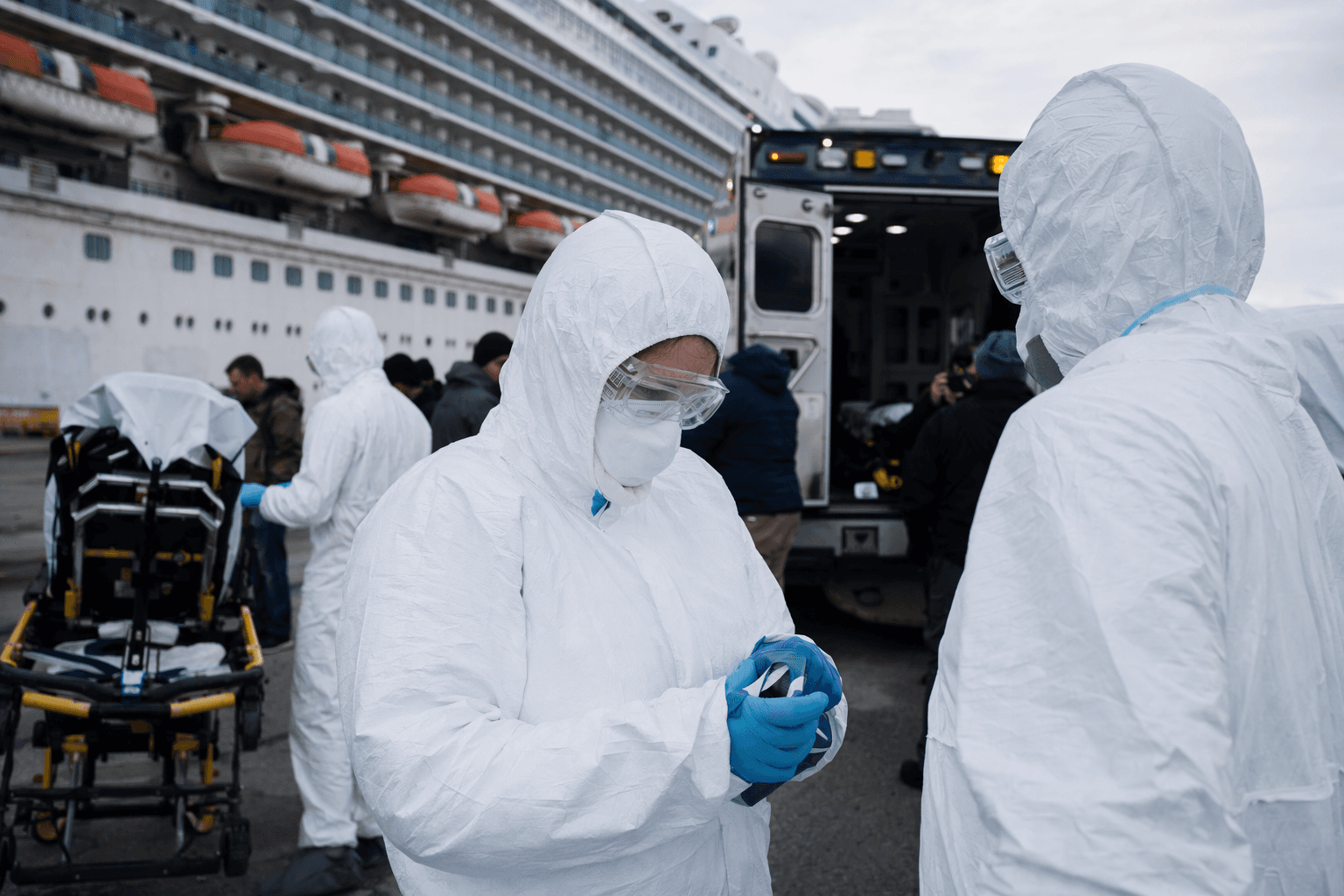
The hardest part of the hantavirus response is not the quarantine in Nebraska. It is convincing a public still shaped by COVID that this outbreak is not another airborne pandemic, even as Acting CDC Director Jay Bhattacharya said the disease is “very different than COVID” and should be treated differently.
On the science, that distinction matters. The outbreak involved Andes virus, the hantavirus strain the World Health Organization says is the only known type that spreads person to person, usually through prolonged close contact. The CDC says the overall risk to the American public remains extremely low, and no Andes virus cases have been reported in the United States from this outbreak.
The illness itself has been severe. WHO said the Dutch-flagged M/V Hondius carried 147 passengers and crew when it left Ushuaia, Argentina, on April 1. Illness onset occurred between April 6 and April 28, and by May 8 WHO had identified eight cases, six confirmed and two suspected, with three deaths. A May 4 update had listed seven cases, including three deaths, one critically ill patient and three people with mild symptoms. WHO said the outbreak featured fever, gastrointestinal symptoms, rapid progression to pneumonia, acute respiratory distress syndrome and shock.
The CDC said it began responding after the outbreak was reported on May 2. It deployed epidemiologists and medical professionals to the Canary Islands, where the ship and its American passengers were being managed, and coordinated with the U.S. Department of State and other federal partners to bring Americans home safely. Americans from the ship were to be moved to Offutt Air Force Base in Omaha, Nebraska, then transferred to the National Quarantine Center at the University of Nebraska, Omaha. NBC News reported that 17 American passengers were expected to be quarantined there.
The episode has also become a test of public trust. Public health officials criticized the CDC’s response, saying the agency stayed quiet while Americans remained on board. Some experts pointed to the Trump administration’s layoffs of thousands of CDC scientists and public health professionals, including ship sanitation staff, in 2025, saying the cuts strained the agency’s ability to respond quickly and visibly when the outbreak emerged.
Bhattacharya said the CDC had been in touch with WHO, Spain’s health authorities and other international health organizations, and that the agency had provided technical assistance throughout the response. For now, the case on the Hondius is a reminder that a rare virus can be deadly without becoming a broad public threat, and that in the post-COVID era, clear communication is as important as containment.
Know something we missed? Have a correction or additional information?
Submit a Tip