RFK Jr. Softens Vaccine Criticism as HHS Expands Research Push
Kennedy is speaking more softly on vaccines, but HHS is still reworking panel rules, scrapping mRNA projects and reopening old safety fights.
Robert F. Kennedy Jr. has lowered his public volume on vaccines, but the machinery inside the U.S. Department of Health and Human Services has kept moving in a harder direction. Behind the messaging shift, HHS has been reshaping vaccine policy, narrowing support for mRNA research and reopening fights over safety and trust that many health experts considered settled.
Kennedy set the tone on June 9, 2025, when he said HHS was reconstituting the Centers for Disease Control and Prevention’s Advisory Committee on Immunization Practices and retired all 17 members. He said the department was putting restoration of public trust above any pro- or antivaccine agenda, and argued the panel had been plagued by conflicts of interest. Kennedy also said the Trump administration could not have appointed a majority of new members until 2028 without removing the sitting committee first.
That policy reset widened in August 2025, when Kennedy announced the cancellation of about $500 million in mRNA vaccine development projects. The cuts hit 22 projects funded through the Biomedical Advanced Research and Development Authority, including work tied to Pfizer, Sanofi Pasteur and Moderna. Kennedy said HHS had determined mRNA technology posed more risk than benefit for respiratory viruses and wanted to move away from that platform in favor of “better solutions.”
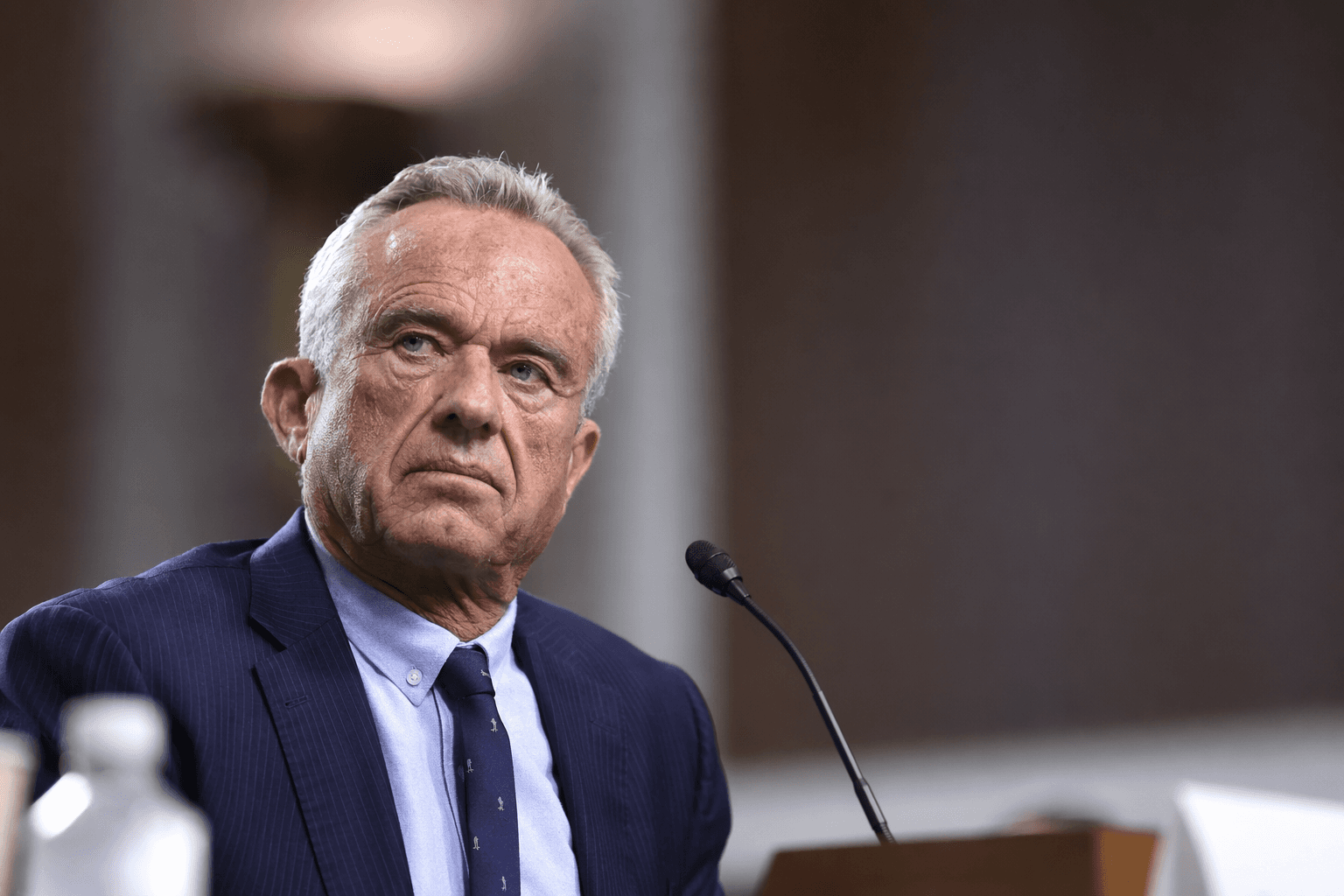
The clash between the administration’s public posture and its internal actions sharpened in March 2026, when a federal judge temporarily blocked Kennedy’s effort to cut broad childhood vaccine recommendations. The ruling said Kennedy likely violated federal procedures in revamping ACIP and halted changes that would have affected recommendations for flu, rotavirus, hepatitis A, hepatitis B, some meningitis vaccines and RSV.
Even after that setback, HHS moved again in April 2026. The department altered ACIP guidance to emphasize vaccine risks more heavily and broadened eligibility to include experience with “recovery from serious vaccine injuries.” At the same time, federal vaccine-safety studies at the Food and Drug Administration involving Covid and shingles shots were withdrawn after agency scientists identified rare side effects and said the authors’ conclusions went beyond the data.
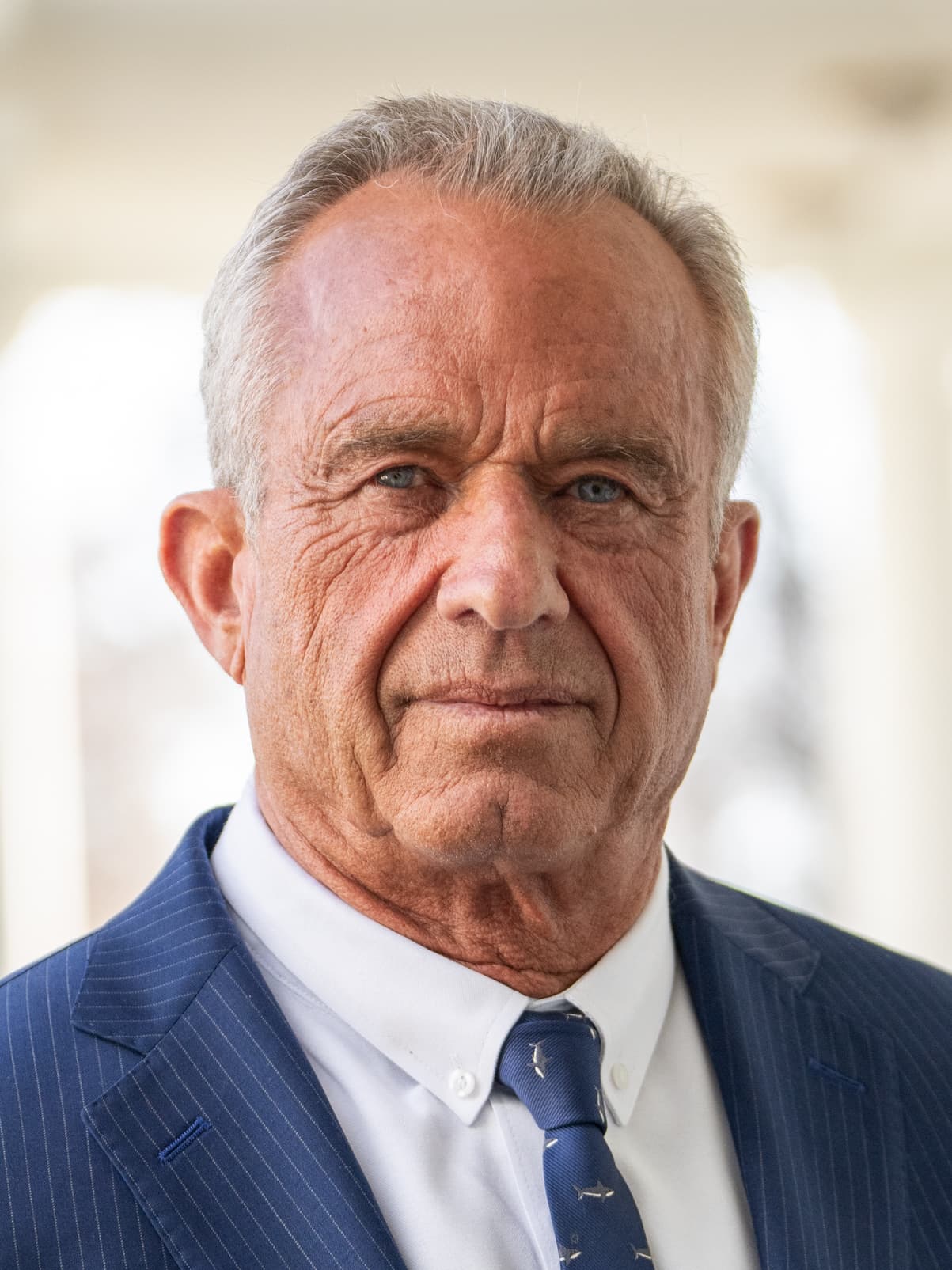
Public-health experts warned that these steps could lower vaccination rates and weaken confidence in vaccines. Kennedy, meanwhile, has continued to insist he is restoring public trust and making vaccines safer, while HHS and CDC materials have also revisited autism-and-vaccine messaging, a long-disputed issue that critics say has been settled by extensive research.
This article was produced by Prism’s automated news system from verified source data, official records, and press releases, then run through automated quality and moderation checks before publishing. The system is built and supervised by the people who set the standards it runs under. Read our full AI policy.
Did this article answer your question?