CDC finds 50 large tuberculosis outbreaks across 23 states since 2017
Tuberculosis outbreaks spread through families, social networks and congregate settings, not just clinics: CDC counted 50 large clusters in 23 states, with 1,092 cases.
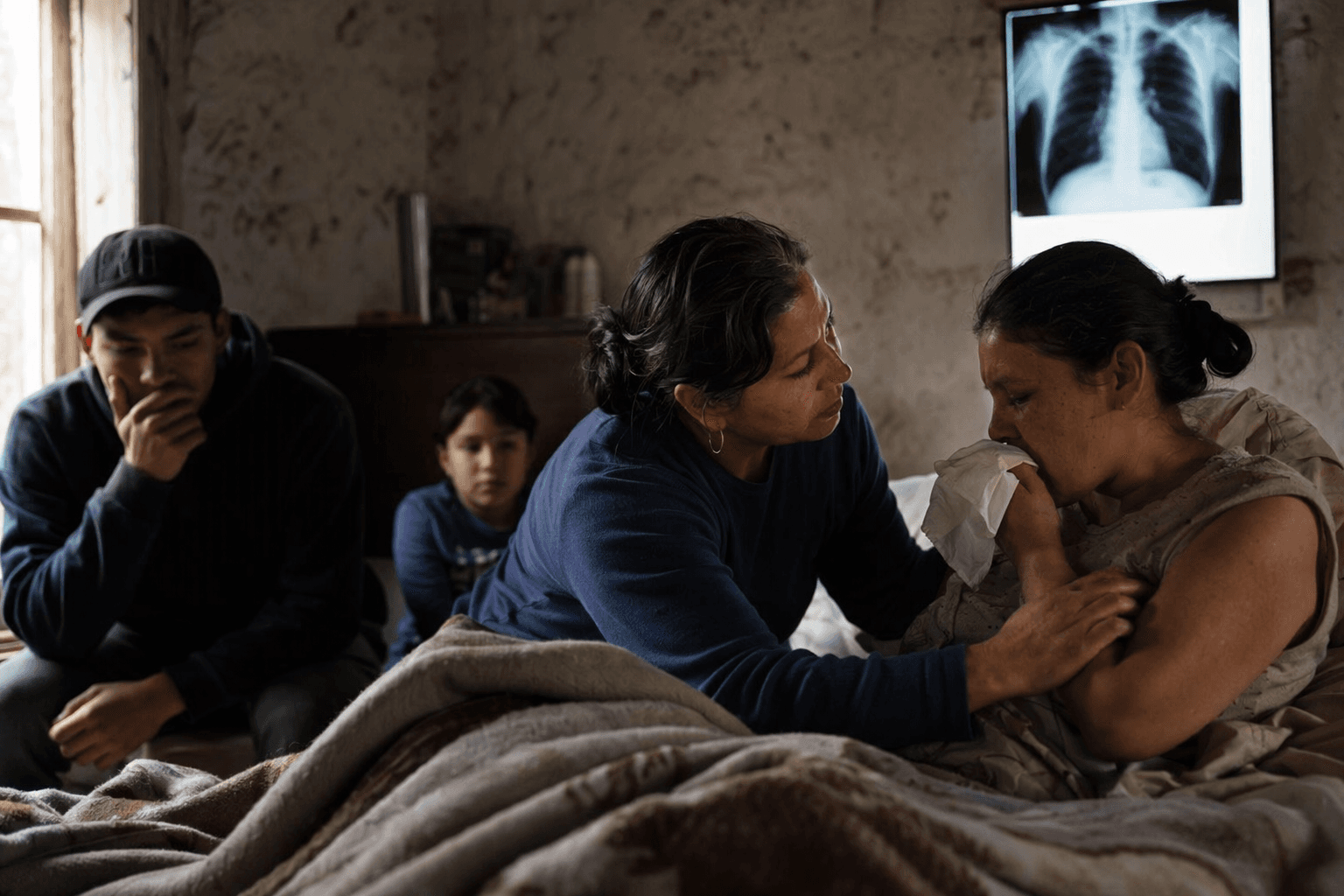
Tuberculosis is still moving through modern America in clusters large enough to expose gaps in housing, treatment access and local public health response. A Centers for Disease Control and Prevention analysis published April 30 found 50 large TB outbreaks across 23 states from 2017 through 2023, involving 1,092 cases.
The CDC defines a large outbreak as at least 10 related cases over a three-year period. In these clusters, 79% of patients were U.S.-born, compared with 26% of other TB cases in the same data set. The outbreaks were also more likely to involve substance use, homelessness and incarceration, a pattern that points to the social conditions that keep transmission alive even when treatment exists.
The report showed that TB was spreading most often through close contact rather than obvious institutional exposure. Thirty-four of the 50 outbreaks, or 68%, were tied mainly to family or social networks, while 13 were linked chiefly to congregate settings. About one quarter of outbreak-related cases were found through contact tracing, and those cases were less likely to show clinical markers of highly infectious disease than cases identified through symptoms, targeted testing or incidental findings. That suggests investigators were sometimes catching infections earlier when they could trace contacts quickly.

The findings land against a broader national rise. CDC surveillance recorded 9,633 TB cases in the United States in 2023, up 15.6% from 2022 and the highest national count since 2013. The 2023 incidence rate reached 2.9 cases per 100,000 people, the highest since 2016, and CDC says both case counts and rates have increased every year since 2020. Globally, the World Health Organization estimated that 10.8 million people developed TB in 2023 and 10.7 million in 2024, showing that the U.S. trend is part of a wider resurgence.
Kansas offered a recent example of how difficult TB can be to contain once it takes hold in connected communities. In the Kansas City, Kansas metro area, health officials reported 67 confirmed active cases and 79 latent infections as of Jan. 31, 2025, with two deaths linked to the outbreak. Kansas officials later declared the outbreak over on Nov. 14, 2025, after no new cases since April. The CDC’s new analysis suggests that many of the country’s largest outbreaks followed the same pattern, spreading quietly through households and social networks until public health teams could break the chain.
This article was produced by Prism’s automated news system from verified source data, official records, and press releases, then run through automated quality and moderation checks before publishing. The system is built and supervised by the people who set the standards it runs under. Read our full AI policy.
Did this article answer your question?