CDC monitors 41 Americans after cruise ship hantavirus outbreak
Forty-one Americans were under hantavirus monitoring as officials expanded quarantine after a cruise-linked outbreak that has killed three people worldwide.
Public health officials were monitoring 41 Americans for hantavirus on Thursday, widening quarantine and home isolation measures after a cruise-ship outbreak left three people dead and raised fears about where exposure may have occurred. The Centers for Disease Control and Prevention said there were no confirmed U.S. cases and that the risk to the American public remained extremely low.
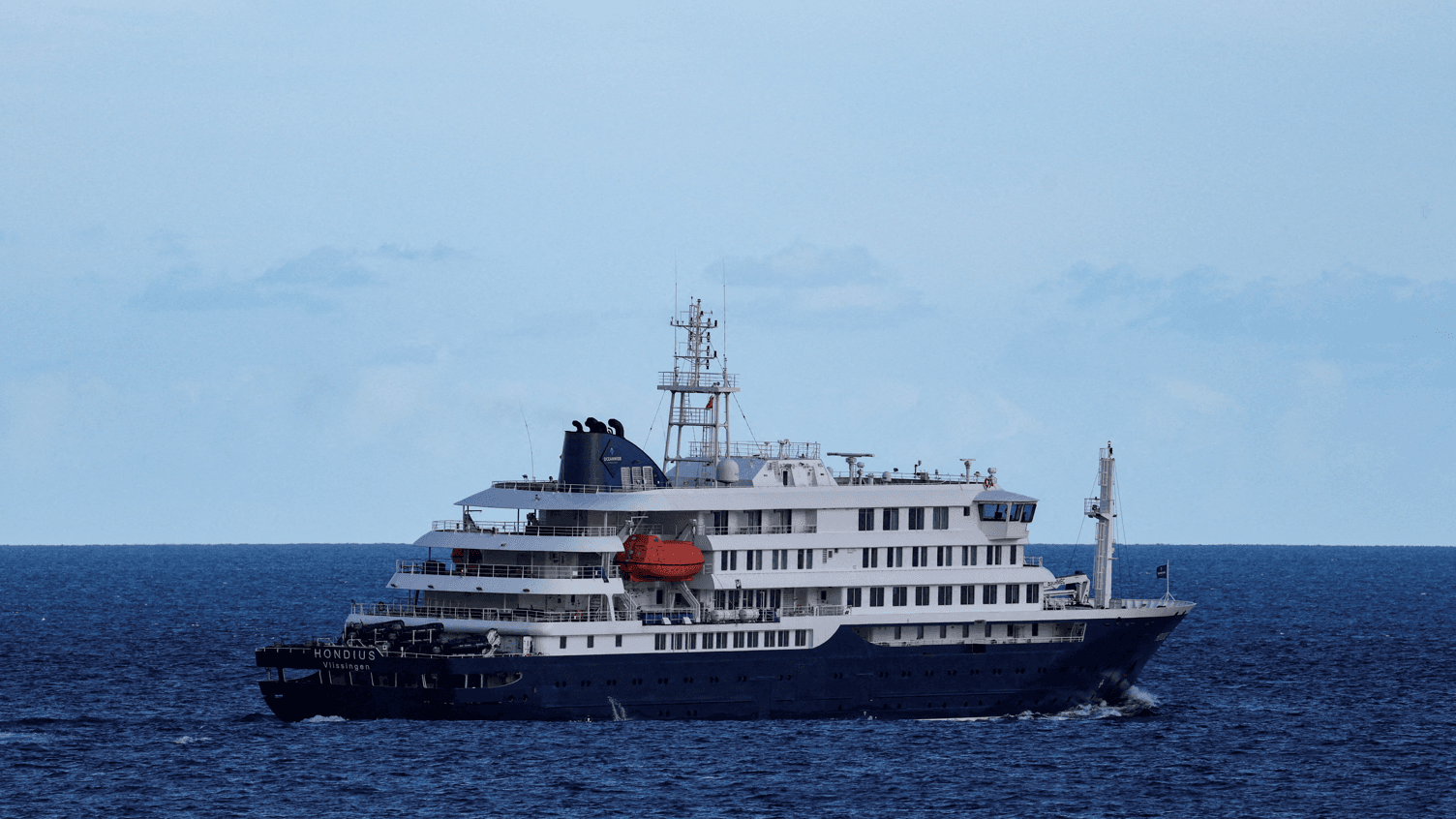
The outbreak involved Andes virus, a hantavirus that can cause hantavirus pulmonary syndrome, and the CDC said the event was reported on May 2, 2026. The World Health Organization said the Dutch-flagged M/V Hondius was carrying 147 passengers and crew from 23 nationalities. By May 4, the WHO said seven cases had been identified, including two laboratory-confirmed infections, five suspected cases, three deaths, one critically ill passenger and three people with mild symptoms. Later updates put the total at 11 cases worldwide, including three deaths.
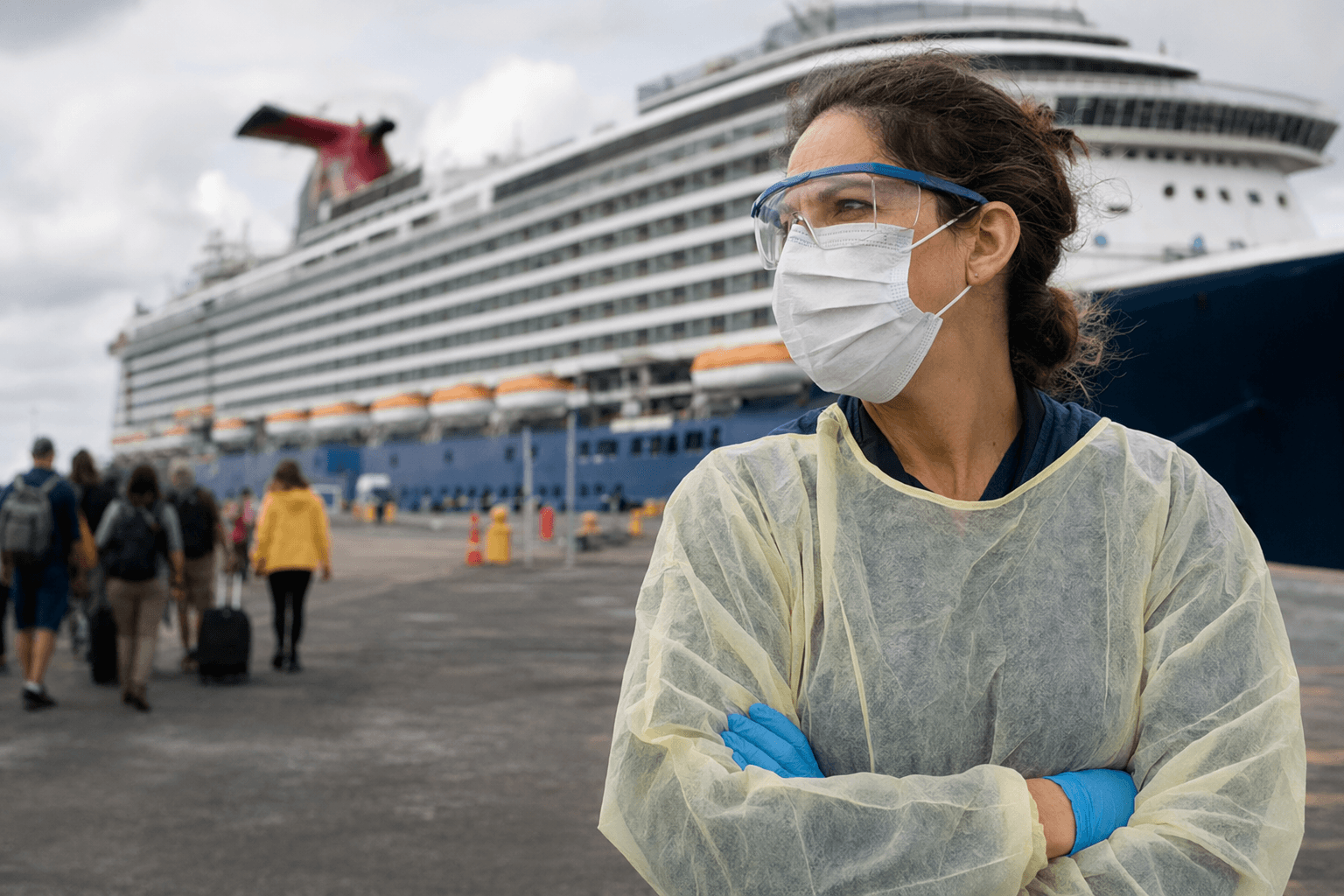
In practice, the monitoring meant a mix of quarantine, isolation and follow-up at home. CDC said American passengers were repatriated to the Nebraska Biocontainment Unit in Omaha and Emory University Hospital in Atlanta, while exposed travelers were being watched by public health officials for 42 days. Most were told to stay home and avoid contact with others during that period. Reuters reported that the 41 monitored people included 18 quarantined in Nebraska and Atlanta, with others already back home or possibly exposed during flights where a symptomatic case was present.
Nebraska Medicine said its National Quarantine Unit is the only federally funded quarantine unit in the United States and can house 20 asymptomatic people. The unit held 15 asymptomatic passengers, while one American who tested positive abroad but had no symptoms was isolated in the Nebraska Biocontainment Unit for follow-up testing. Dr. Stephen Kornfeld of Bend, Oregon, who helped care for sick passengers aboard the ship and had inconclusive testing abroad, was later medically cleared to move from the biocontainment unit to the National Quarantine Unit.
The CDC also sent a team to the Canary Islands to conduct exposure risk assessments for each American passenger, underscoring how quickly containment efforts extended beyond the ship itself. The cruise outbreak was notable not only because it was the first hantavirus outbreak on a cruise ship, but because Andes virus is the only known hantavirus capable of person-to-person spread, a rare route that has intensified concern even as officials continue to say the domestic risk remains low.
This article was produced by Prism’s automated news system from verified source data, official records, and press releases, then run through automated quality and moderation checks before publishing. The system is built and supervised by the people who set the standards it runs under. Read our full AI policy.
Did this article answer your question?