CDC Posts 1,000 Measles Genomes, Enabling Transmission Chain Analysis
CDC posted ~1,000 measles genomes, the first major batch from recent U.S. outbreaks, months after staffing cuts delayed data public health labs urgently needed.
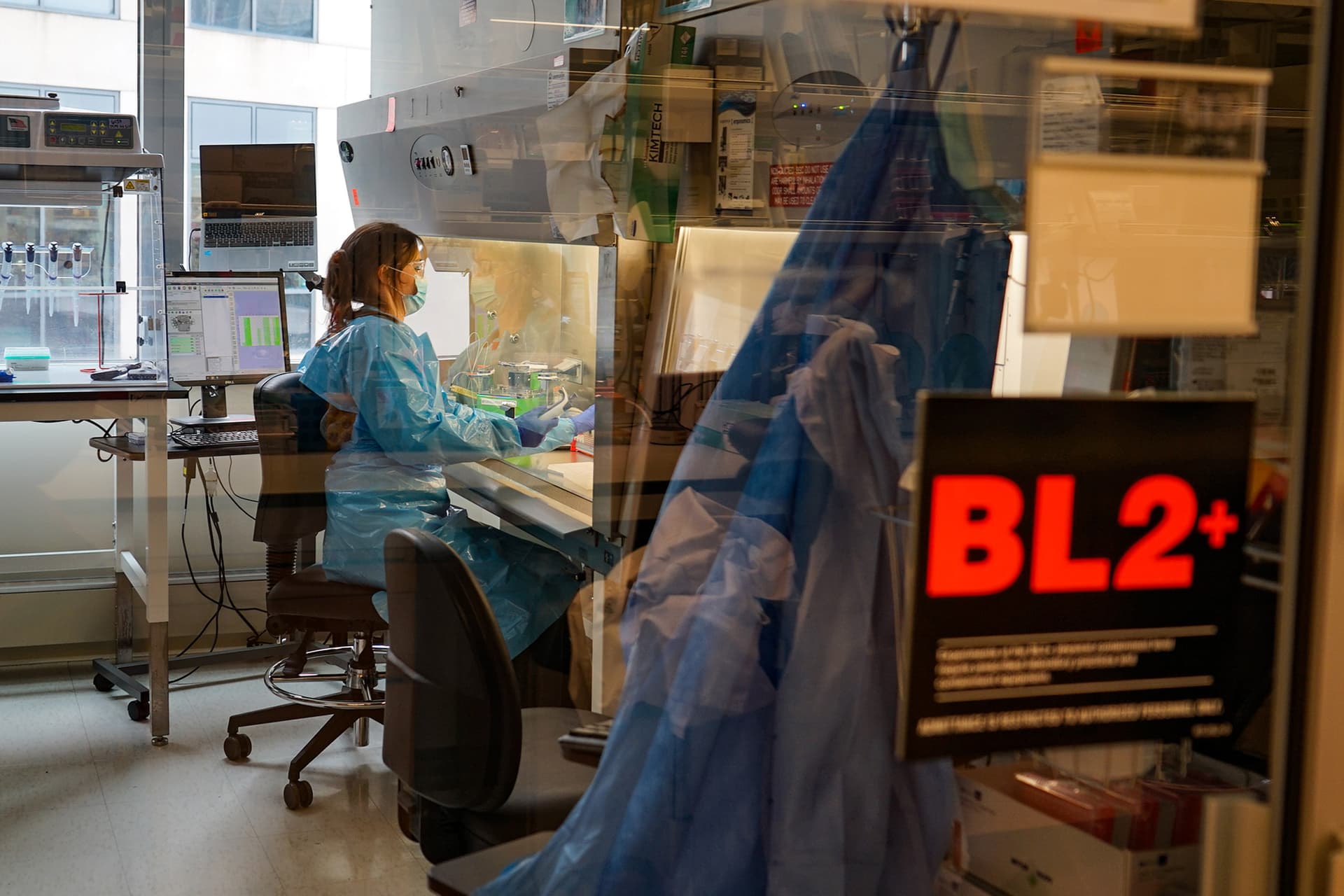
The CDC posted roughly 1,000 whole measles-virus genomes online this week, releasing the first substantial tranche of advanced genetic data from U.S. outbreaks that public-health scientists had been pressing the agency to share for months.
The sequences, drawn from samples collected during recent domestic outbreaks extending into 2026, carry a deceptively simple but consequential question: are the country's measles cases repeated introductions from travelers abroad, or the product of a continuous chain of transmission rooted in the United States? That distinction sits at the center of America's measles elimination status, a designation the World Health Organization has recognized since 2000, and one that could be challenged if genomic analysis reveals endemic circulation has reestablished.
"The newly posted genomes should allow researchers to move more quickly to connect chains of transmission and determine if endemic measles circulation has reestablished in the United States," said Kristian Andersen, an evolutionary virologist at Scripps Research.
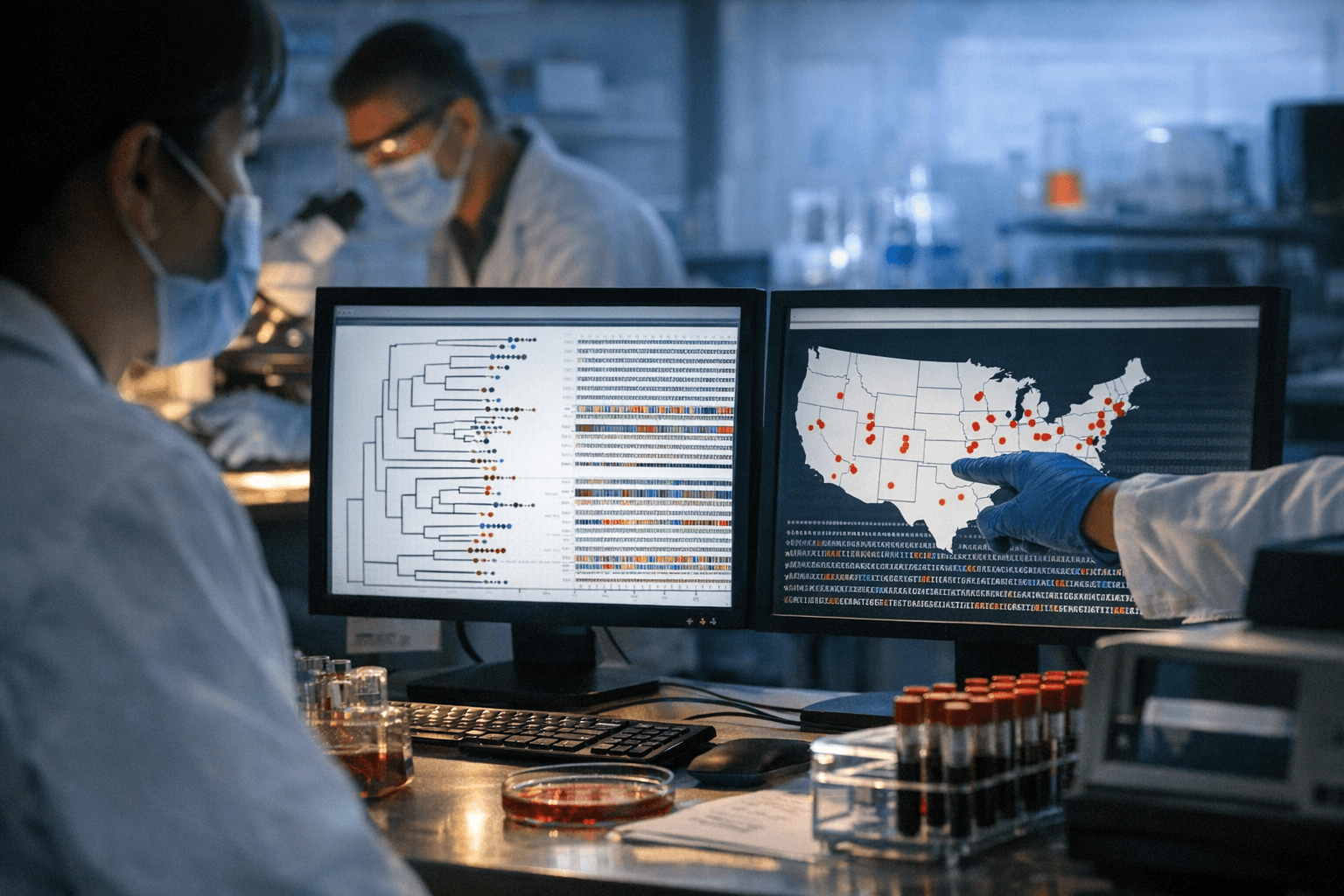
The scientific value of whole-genome sequencing lies in its specificity. The degree of genetic similarity between virus samples reveals how closely linked cases actually are, even when they appear geographically disconnected. Researchers can now run phylogenetic analyses to link outbreaks across state lines, identify transmission chains continuing undetected, and give health departments actionable intelligence for directing contact tracers, vaccination drives, and community outreach.
The delay in reaching this point revealed a structural problem. The CDC's laboratory team was slowed by a wave of layoffs and resignations that constrained sequencing capacity, compounded by an agencywide review of laboratory tests. Not all samples from recent outbreaks have been sequenced, and the CDC did not respond to requests for additional detail about the scope of what remains unprocessed.
Some states did not wait. Utah had been sequencing and sharing measles genomes considerably faster than federal labs, illustrating what accelerated data release makes possible at the local level, and what the months-long federal delay cost state health departments in real time.
That gap points to a vulnerability extending well beyond measles. With laboratory staffing reduced by mass departures and cuts, the CDC's capacity for rapid genomic surveillance across pathogens is now openly strained. Public-health experts warned that without adequate federal lab capacity and timely data sharing, state and local health departments face dangerous delays in outbreak response for a disease as highly contagious as measles.
The genome release is technically a turning point. Phylogenetic tools exist, the scientific expertise is ready, and the data can now flow. But the months it took to get here made clear that genomic intelligence only changes outcomes when the infrastructure to collect, analyze, and act on it remains intact.
Know something we missed? Have a correction or additional information?
Submit a Tip