CDC Says Hantavirus Cruise Ship Outbreak Poses Little U.S. Risk
CDC said the cruise ship Andes virus outbreak is serious for those exposed, but the odds of a U.S. spread are extremely low. No U.S. cases have been reported.
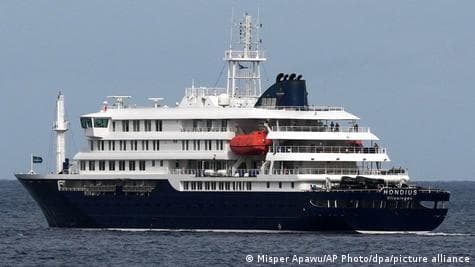
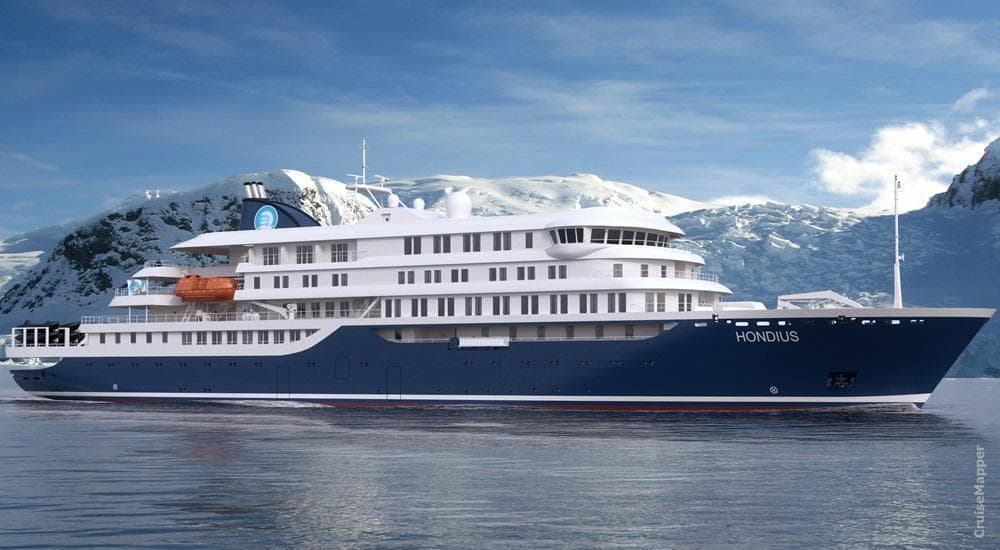
The CDC moved quickly to calm fears that a deadly hantavirus outbreak aboard a cruise ship could spread widely in the United States, saying the risk to travelers and the American public remained extremely low and that routine travel could continue as normal. The agency said it was responding to an Andes virus outbreak among passengers and crew of the Dutch-flagged M/V Hondius in the Atlantic Ocean, with no cases reported in the U.S. as a result.
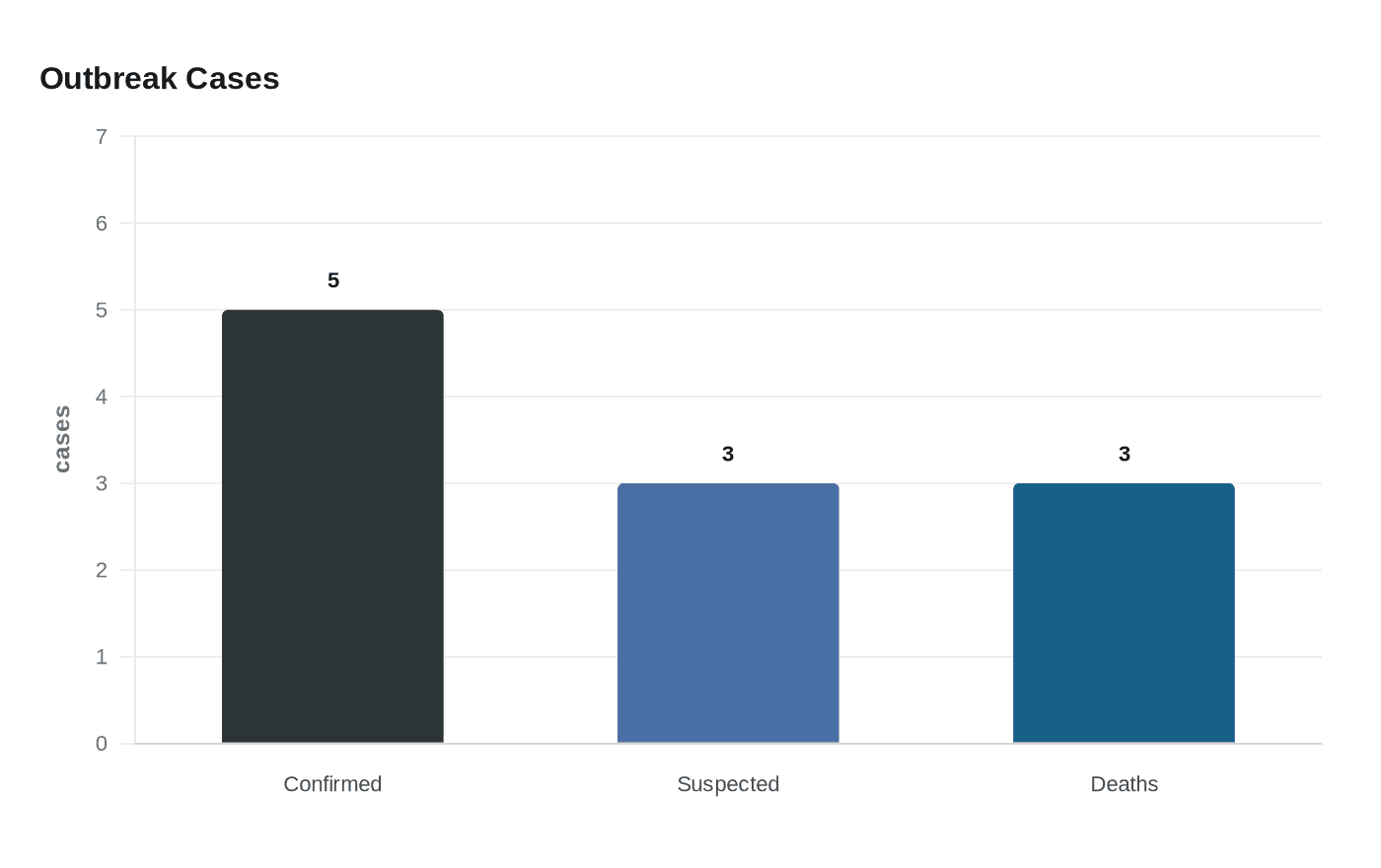
The World Health Organization said the outbreak had reached eight cases so far, including five laboratory-confirmed infections and three suspected cases, and that three people had died. Even so, public health officials stressed that this is not COVID-like transmission. Most hantaviruses spread through contact with infected rodents or their urine, saliva, droppings, or contaminated surfaces. The Andes strain is the one known to spread person to person, and even then it usually requires close and prolonged contact.

The CDC said on May 8 that it was working with the U.S. Department of State and other government partners to bring Americans home as quickly and safely as possible. Passenger tracking and repatriation planning were already underway, some U.S. passengers had returned, and others were still being monitored. State health departments were also notified where some disembarked passengers live, as part of a coordinated response that has stretched across Europe, Africa, and Latin America.
That broader response reflects the seriousness of hantavirus even as officials reject the idea of a nationwide threat. The CDC has tracked hantavirus disease in the United States since 1993, when a Four Corners outbreak in Arizona, Colorado, New Mexico and Utah first brought the disease into sharp focus. Hantavirus pulmonary syndrome became nationally notifiable in 1995. By the end of 2023, the CDC had recorded 890 laboratory-confirmed U.S. cases since surveillance began, and 35% of those cases were fatal. Most, 94%, occurred west of the Mississippi River.
Symptoms are another reason the disease draws attention without justifying panic. The CDC says hantavirus pulmonary syndrome usually begins one to eight weeks after exposure to an infected rodent, often with fatigue, fever and muscle aches before progressing to coughing, shortness of breath and fluid in the lungs. For Andes virus, the incubation period is typically 4 to 42 days. That long window makes monitoring important, but the route of spread keeps the risk contained. For now, the cruise ship outbreak remains a grave illness event for those involved, not the start of another pandemic.
Know something we missed? Have a correction or additional information?
Submit a Tip