Cruise ship with hantavirus outbreak heads to Tenerife for repatriation
A Dutch-flagged cruise ship carrying 147 people headed to Tenerife for evacuation after a hantavirus cluster on board killed three.
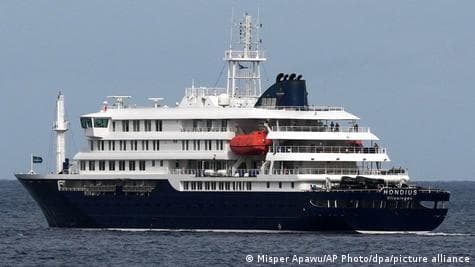
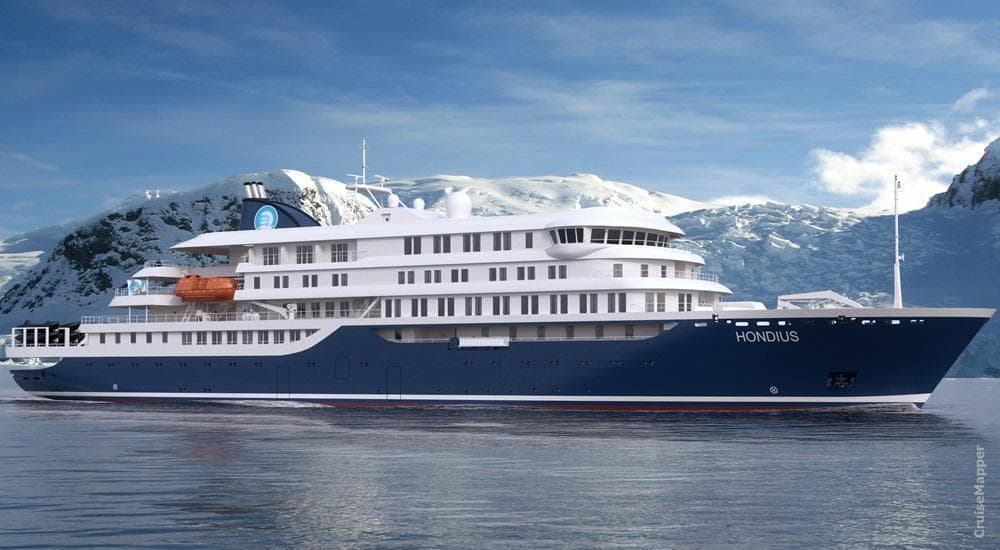
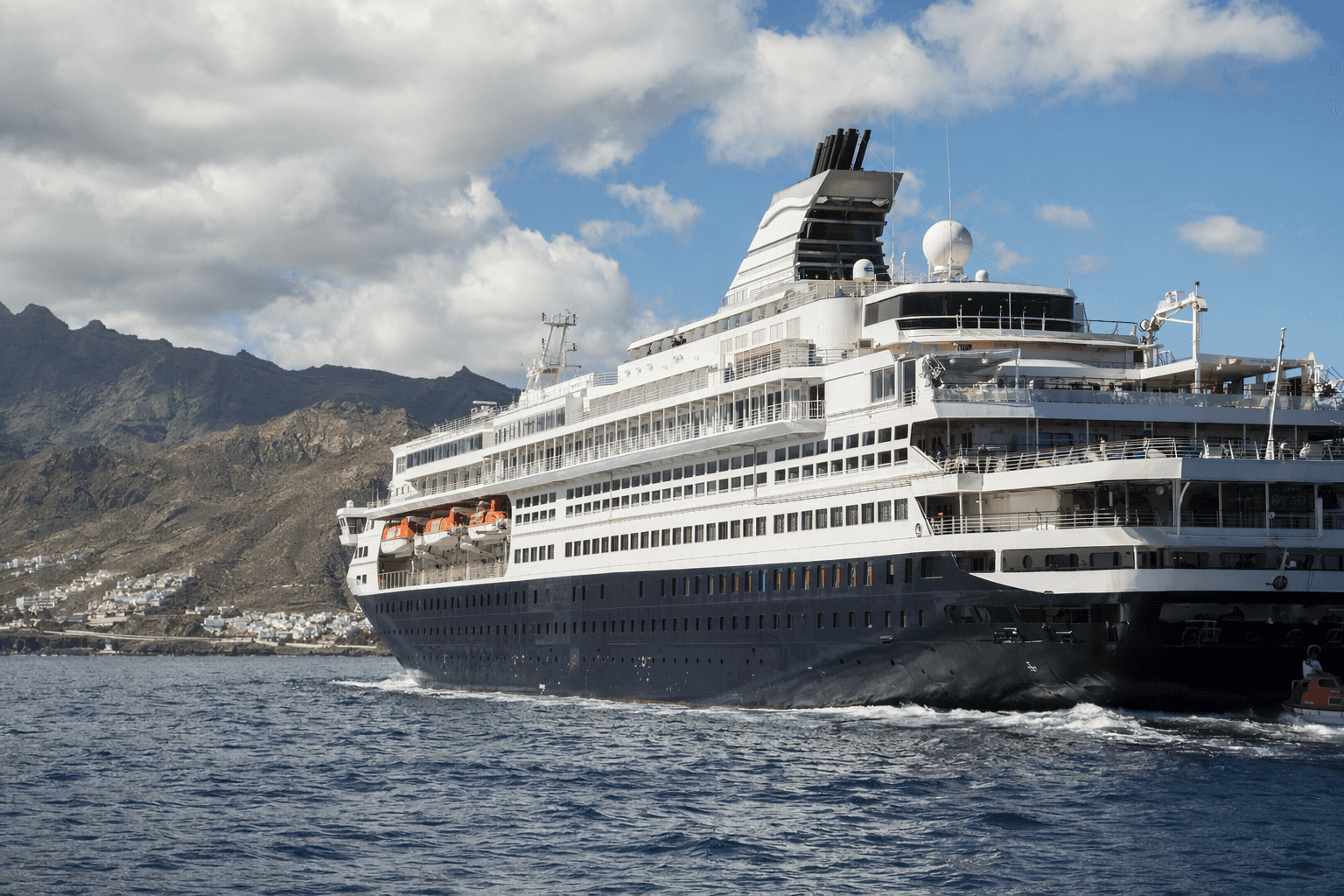
A Dutch-flagged cruise ship carrying 147 people was heading to Tenerife for a coordinated evacuation after a hantavirus outbreak on board left three passengers dead and forced health authorities into a rare, high-stakes maritime response.
The World Health Organization was first notified on 2 May about severe respiratory illness aboard the MV Hondius. By 4 May, officials had identified seven cases, including two laboratory-confirmed hantavirus infections and five suspected cases, with three deaths, one critically ill patient and three people with mild symptoms. By 9 May, the European Centre for Disease Prevention and Control said the total had risen to eight reported cases, six confirmed and two probable, while the death toll remained at three.
The case is unusual because the vessel was not on a routine port call but on a long voyage that began in Ushuaia, Argentina, on 1 April and crossed some of the most remote waters in the South Atlantic and Antarctic region. WHO said the ship visited mainland Antarctica, South Georgia, Nightingale Island, Tristan da Cunha, Saint Helena and Ascension Island before being moored off Cabo Verde. By 9 May, European authorities said it was sailing toward Granadilla de Abona in Tenerife and expected to arrive on 10 May.
Hantavirus can alarm passengers and coastal communities because the name is associated with severe disease, but the way it spreads matters. Most hantavirus infections begin when people breathe in particles contaminated by infected rodent droppings, urine or saliva. The Andes strain involved here is different in one important respect: person-to-person spread can occur, but it is rare and typically requires close, prolonged contact. That is why public health officials have treated the cluster seriously without framing it as a broad airborne threat to the island or the wider public.
The response has been built around isolation, screening and repatriation rather than mass panic. Spain, the World Health Organization, Oceanwide Expeditions and multiple national governments have been coordinating the operation. The CDC said on 8 May that American passengers would be flown on a U.S. government medical repatriation flight to Offutt Air Force Base in Omaha, Nebraska, then transferred to the National Quarantine Center at the University of Nebraska, Omaha. CDC epidemiologists and medical professionals were sent to the Canary Islands to assess each American passenger’s exposure risk.
Tedros Adhanom Ghebreyesus said he would travel to Tenerife to oversee the evacuation, while Spanish officials said they were prepared to use quarantine powers if needed and were negotiating arrangements with 22 countries. The first passengers to be transferred were expected to include 14 Spanish travelers. For Tenerife, the episode has become more than a shipboard medical emergency: it has tested how post-pandemic maritime health protocols handle a contagious threat, how quickly governments can move across borders, and how carefully they can do so without deepening stigma for passengers or residents.
Know something we missed? Have a correction or additional information?
Submit a Tip