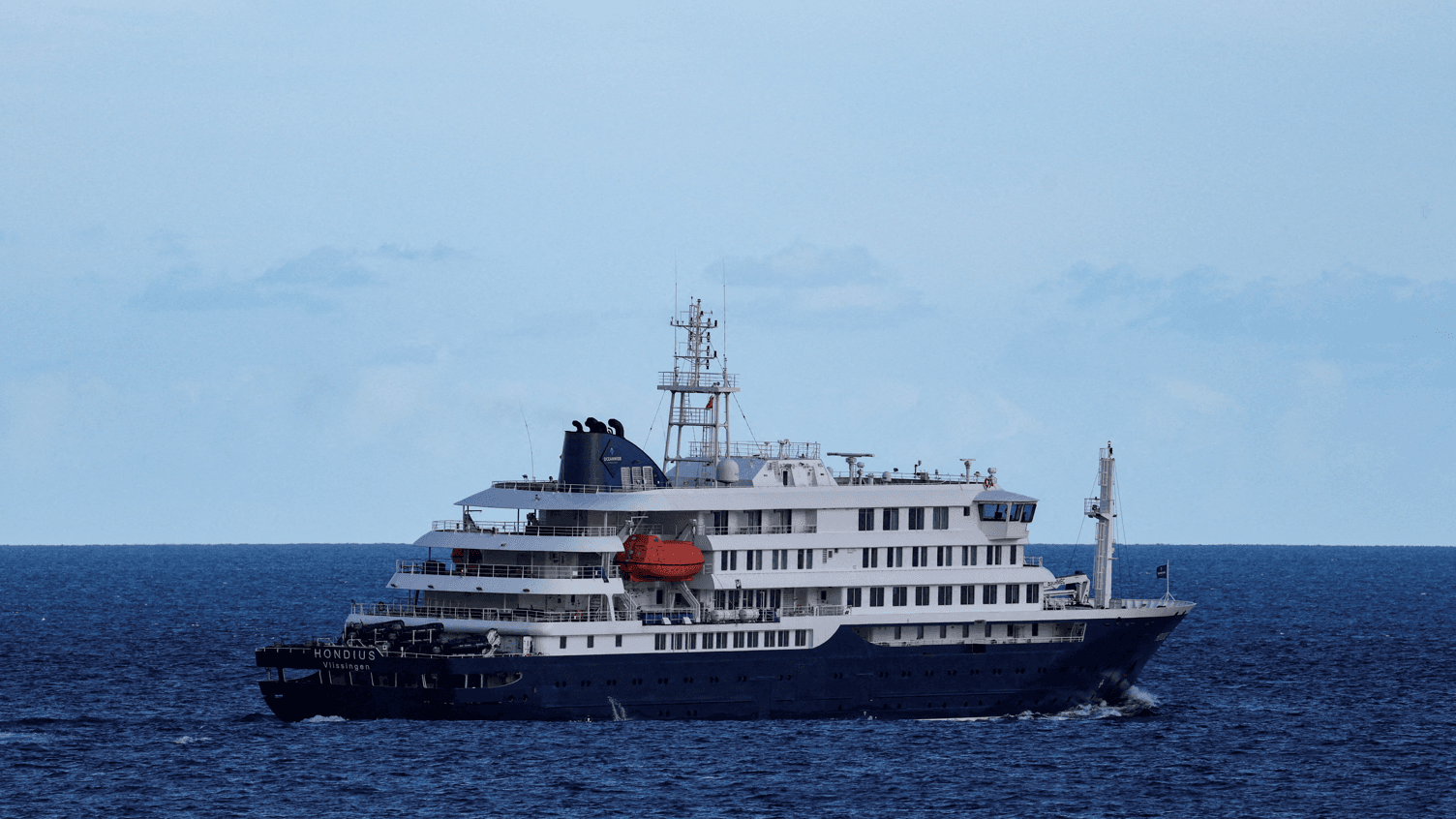
CDC says hantavirus risk remains low after M/V Hondius outbreak
A U.S. doctor from the M/V Hondius was moved into Nebraska's biocontainment unit, then tested negative and joined quarantine as CDC said public risk stayed low.
Dr. Stephen Kornfeld, the Bend, Oregon, doctor who first entered the University of Nebraska Medical Center’s biocontainment unit after the M/V Hondius hantavirus episode, later tested negative on confirmatory PCR testing and was moved into quarantine with the other Americans. The sequence was a clear look at how U.S. hospitals and federal health officials handle a rare suspected infection: isolate first, test quickly, and step down precautions when the lab work does not confirm danger.
The Centers for Disease Control and Prevention said on May 8 that the risk to the American public remained extremely low, even as it deployed epidemiologists and medical professionals to the Canary Islands to assess exposure risk for each American passenger. The agency said its top priority was safe repatriation, and it also sent an additional team to Offutt Air Force Base in Nebraska as officials prepared for the return of passengers from the cruise ship.
The outbreak centered on the M/V Hondius, which carried 147 passengers and crew. The World Health Organization said the cluster was first reported on May 2, 2026, and by May 4 there were seven identified cases, including two laboratory-confirmed hantavirus infections, five suspected cases, three deaths, one critically ill patient, and three people with mild symptoms. Illness onset was reported between April 6 and April 28, with symptoms ranging from fever and gastrointestinal illness to rapid progression to pneumonia, acute respiratory distress syndrome and shock. The strain involved was the Andes virus, a form of hantavirus that can spread person to person, unlike most hantaviruses.
On May 11, the U.S. government repatriated 17 American passengers and one dual British-U.S. citizen on a medical flight to Omaha. Most were taken to UNMC’s National Quarantine Unit, which the hospital says is designed for safe monitoring and is the only federally funded quarantine unit in the United States. One passenger was moved to the Nebraska Biocontainment Unit for hospital-level care, underscoring how aggressively clinicians responded to even a single possible severe case.

UNMC infectious-disease physician Angela Hewlett said the Andes virus is not spread by indirect contact like COVID-19 and would likely require sustained very close contact to spread from person to person. That distinction has shaped the public-health response, including why officials kept emphasizing the low risk to the broader U.S. public even as they monitored every repatriated passenger closely.
CNN and other outlets reported that none of the Americans in Nebraska were reporting symptoms at that point, though one repatriated passenger was said to have tested mildly PCR-positive on the flight home and another developed symptoms before later testing negative. ABC News reported that one passenger with a probable case died onboard, and that the ship’s doctor and a ship’s guide who tested positive were isolated in the Netherlands.
This article was produced by Prism’s automated news system from verified source data, official records, and press releases, then run through automated quality and moderation checks before publishing. The system is built and supervised by the people who set the standards it runs under. Read our full AI policy.
Did this article answer your question?