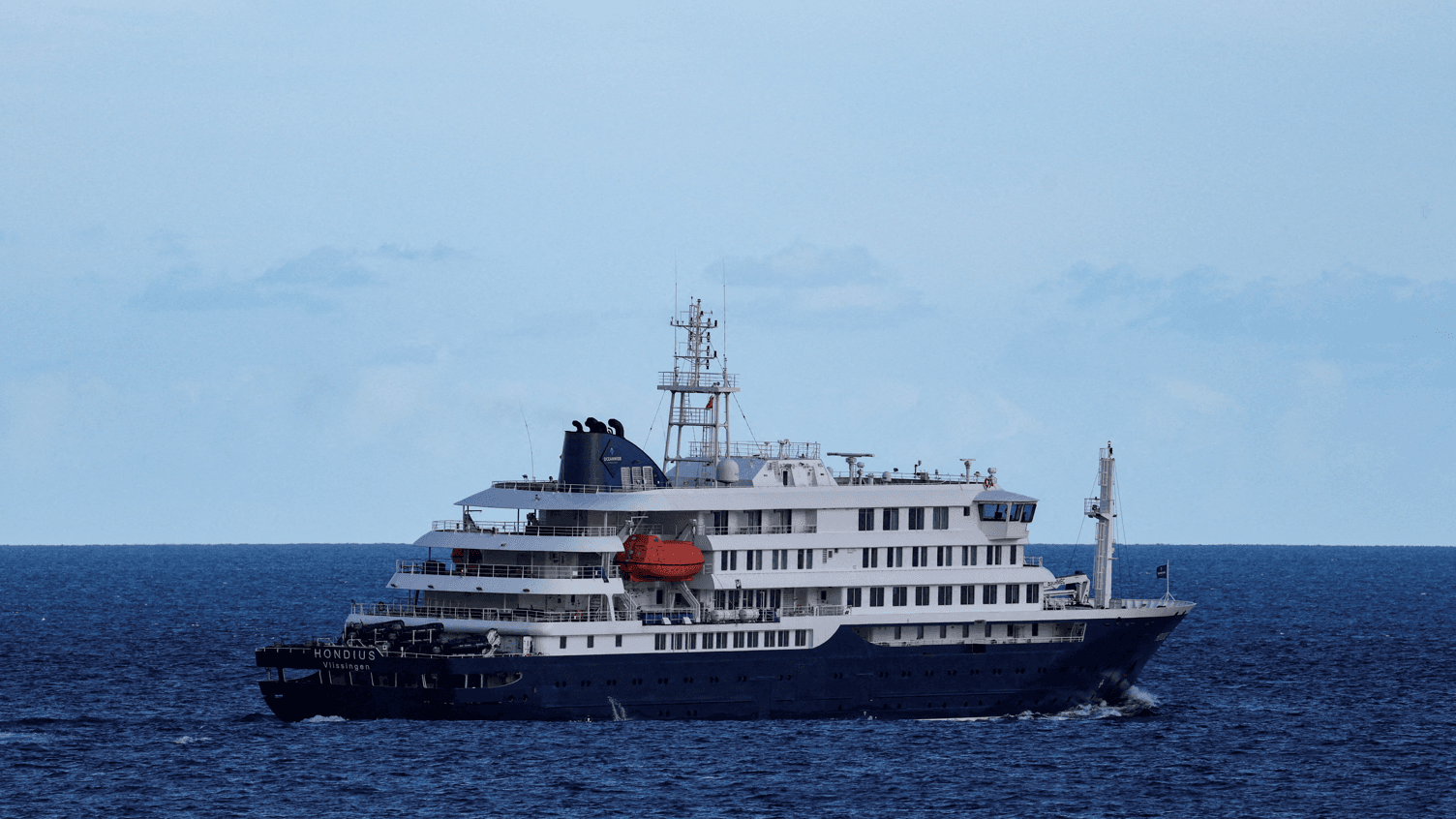
CDC tightens monitoring after deadly hantavirus cruise outbreak
A cruise ship’s hantavirus outbreak left CDC telling high-risk contacts to stay home and self-isolate, even as officials said the risk to the public stayed extremely low.
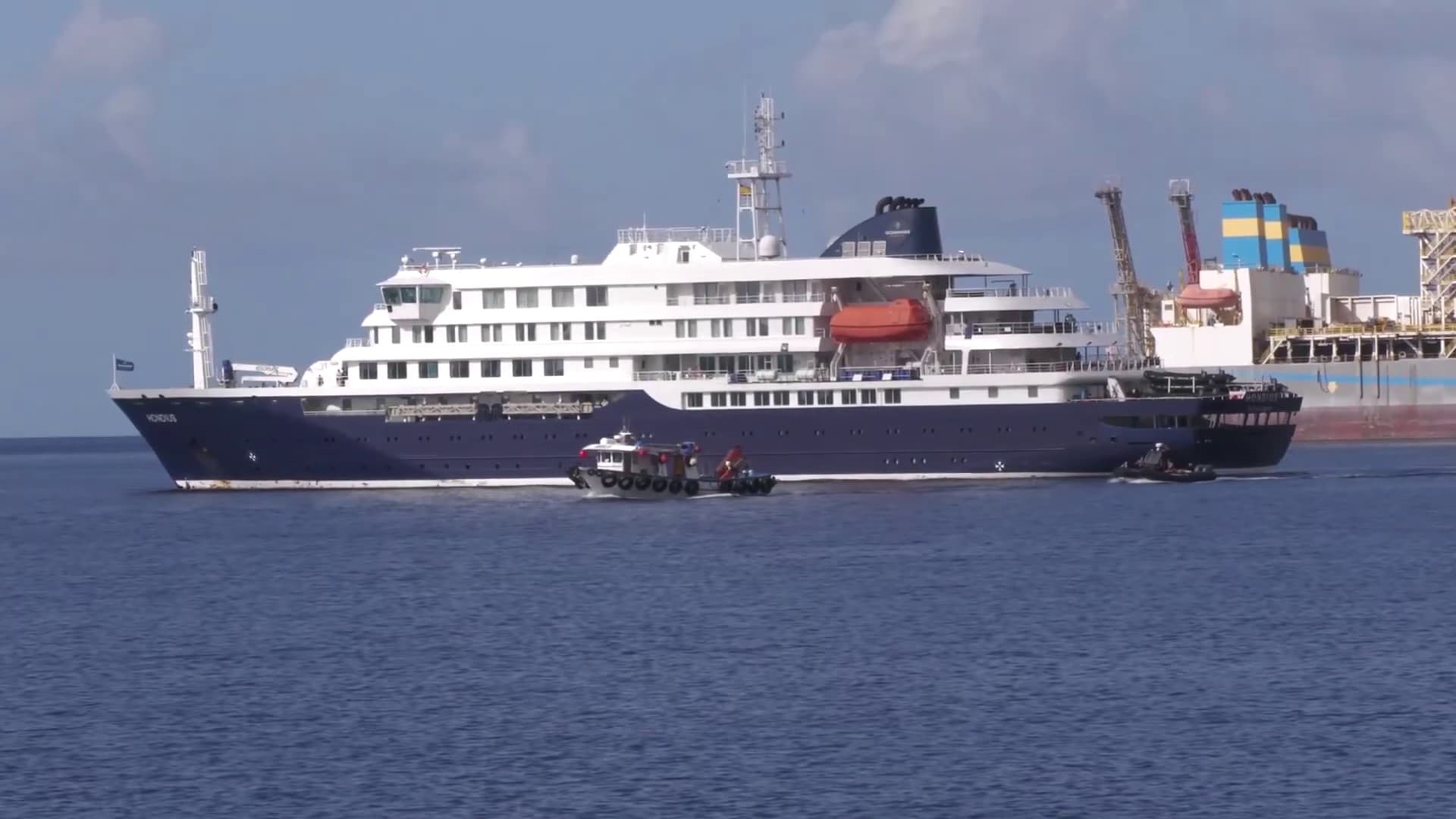
The CDC sharpened its response to a deadly Andes-virus outbreak on the M/V Hondius by telling high-risk contacts to stay home, avoid visitors and be ready to self-isolate if symptoms appear, a narrower and more explicit playbook than a general alert. The agency said the overall risk to the American public and to travelers remained extremely low, but the people most exposed on the cruise ship now face a 42-day monitoring window tied to the virus’s incubation period.
The outbreak unfolded on a voyage that departed Ushuaia, Argentina, on April 1 and carried 147 passengers and crew from 23 countries through remote stops including Antarctica, South Georgia Island, Tristan da Cunha, Saint Helena and Ascension Island. The World Health Organization said illness onset ran from April 6 through April 28, and by May 8 it had counted eight cases, including three deaths. WHO has said the global public-health risk was low, but the risk to passengers and crew on the ship was moderate.
CDC’s updated interim guidance, issued May 14, matters because Andes virus is the only hantavirus known to spread person-to-person. Even then, CDC says that transmission is rare and generally linked to prolonged close contact, and that there is no documented evidence of presymptomatic transmission. The agency says the incubation period runs from 4 to 42 days, with a median of 18 days, and defines suspected cases as illness compatible with hantavirus occurring within 42 days of contact with a confirmed case.
For high-risk contacts, that means more than casual caution. CDC says they should stay home, limit contact with others, avoid buildings other than their own homes, avoid visitors and coordinate any essential travel with a health department. Anyone who develops symptoms is expected to self-isolate immediately. David Fitter, the CDC response lead, said high-risk contacts were being advised to stay home, avoid other people and avoid travel, and he said the agency was not using federal quarantine authority on anyone.
The response shows how public-health agencies are handling a dangerous pathogen while evidence is still evolving: tightening monitoring for the most exposed people without treating the broader public as if it faced the same danger. WHO said it deployed an expert to the ship, arranged shipment of 2,500 diagnostic kits from Argentina to labs in five countries and worked on guidance for safe disembarkation. Tedros Adhanom Ghebreyesus said the event showed why the International Health Regulations exist, with the priority being to stop further spread while treating affected passengers with dignity.
This article was produced by Prism’s automated news system from verified source data, official records, and press releases, then run through automated quality and moderation checks before publishing. The system is built and supervised by the people who set the standards it runs under. Read our full AI policy.
Did this article answer your question?