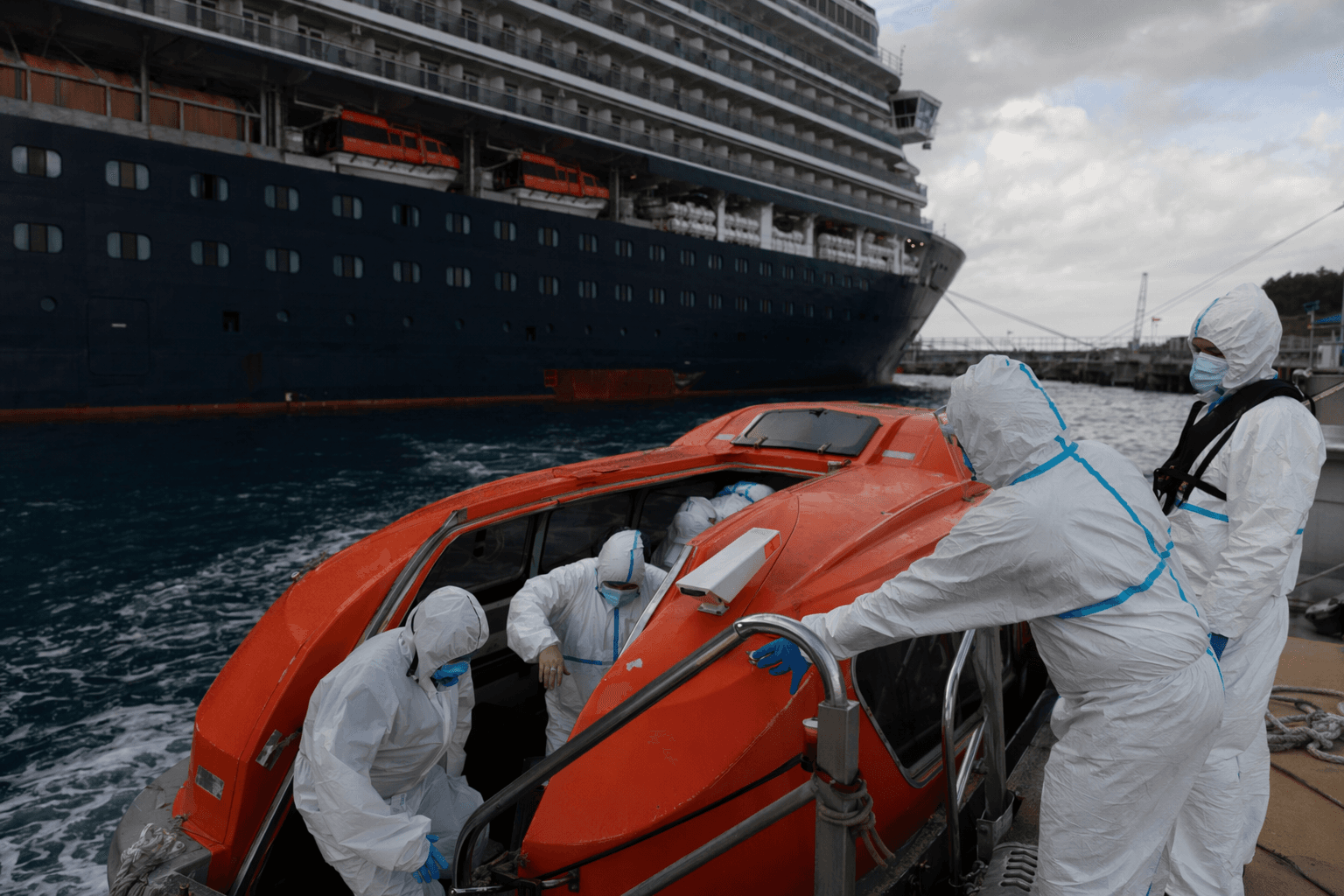
CDC tracks deadly Andes virus outbreak, says U.S. risk remains low
A cruise-ship Andes virus cluster has killed three people, but CDC says the U.S. risk stays extremely low and routine travel can continue.

The deadly Andes virus cluster on a cruise ship in the Atlantic Ocean is serious, but it is not the start of another COVID-like pandemic. The Centers for Disease Control and Prevention said it was responding to the outbreak after it was first reported on May 2, 2026, while stressing that the overall risk to the American public remains extremely low and routine travel can continue as normal.
That distinction matters because hantavirus does not spread the way a pandemic respiratory virus does. The World Health Organization says hantaviruses are carried by rodents and usually infect people through contact with infected rodents or their urine, droppings or saliva. In the Americas, the infection can cause hantavirus cardiopulmonary syndrome, which can be severe and has a case fatality rate of up to 50 percent. But Andes virus is the only hantavirus known to spread person to person, and even then the spread is limited to close and prolonged contact.
Public health officials are watching the cruise ship cluster closely because it fits that narrow transmission pattern. New York City health officials said that as of May 7, eight cases had been identified among the 149 people aboard the ship, including three deaths, one critically ill person and three people with mild symptoms. Illness onset in the cluster occurred between April 6 and April 30, a window that fits the CDC’s estimate that symptoms can appear 4 to 42 days after exposure.
The episode has prompted coordination well beyond the ship itself, with the CDC working with the State Department, the Administration for Strategic Preparedness and Response and international partners. The agency said no Andes virus cases have been reported in the United States as a result of the outbreak.

For the United States, the risk picture is shaped by decades of surveillance, not just this cluster. CDC said U.S. hantavirus surveillance began in 1993 after the Four Corners outbreak, when the virus was identified with help from state and tribal health departments, the Indian Health Service, the Navajo Nation and the University of New Mexico. By the end of 2023, the United States had recorded 890 laboratory-confirmed hantavirus disease cases since surveillance began.
That history is part of why experts are pushing back on the idea of a COVID-style threat. Hantavirus is a rare zoonotic infection with a known transmission route, not a widely transmissible virus that spreads efficiently through everyday community contact. The cruise ship outbreak is dangerous for those directly exposed, but the available evidence points to a contained public health event, not a new global pandemic.
Know something we missed? Have a correction or additional information?
Submit a Tip