CDC warns of rising drug-resistant Shigella, no oral treatment available
Drug-resistant Shigella cases rose to 8.5% of isolates in 2023, and CDC said no FDA-approved oral treatment exists for the most resistant strains.

Drug-resistant Shigella infections kept climbing in the United States, and the most troubling strains now resist the antibiotics doctors usually reach for first. In its new analysis, the Centers for Disease Control and Prevention said extensively drug-resistant Shigella, or XDR Shigella, increased across the country and that no FDA-approved oral antimicrobial agent is available to treat those infections.
The CDC examined 16,788 Shigella isolates with resistance data submitted to PulseNet from January 1, 2011, through October 20, 2023. Of those, 510, or 3.0%, were extensively drug resistant. The share of XDR isolates rose from 0% in the 2011 through 2015 period to 8.5% in 2023, a sharp climb that points to a worsening resistance problem rather than a stable one.
The agency defined XDR Shigella as resistant to ampicillin, azithromycin, ceftriaxone, ciprofloxacin and trimethoprim-sulfamethoxazole. That matters because Shigella spreads easily through fecal-oral transmission, sexual contact, contaminated food and contaminated water, and resistance genes can move into other enteric bacteria. CDC has estimated that 242,000 antimicrobial-resistant Shigella infections occur in the United States each year, with resistant infections rising since 2016.
The pattern of illness also suggested ongoing local spread. Among patients with XDR shigellosis, 86.2% were men and the median age was 41. Among those with travel information available, 76.2% reported no recent domestic travel and 82.4% reported no recent international travel. Of the 505 XDR isolates with species data, 65.9% were Shigella sonnei and 34.1% were Shigella flexneri.
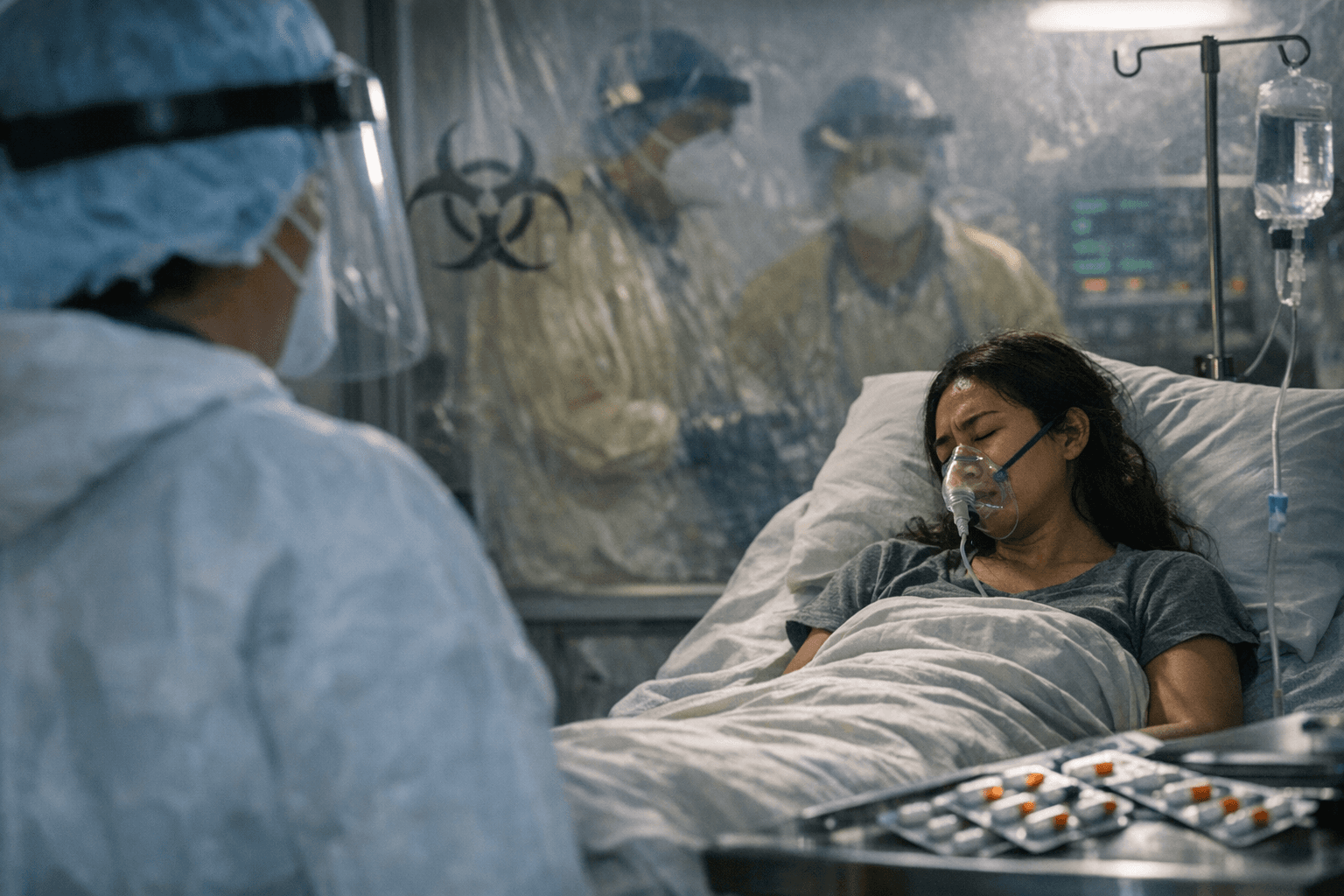
Public-health officials have repeatedly warned that the infection is hitting groups already at elevated risk. CDC said higher-risk populations include international travelers, gay, bisexual and other men who have sex with men, and people with weakened immune systems, including those with HIV or chemotherapy treatment. Among the subset of XDR patients whose HIV status was known, nearly half were HIV-positive.
The resistance trend has been building for years. A 2023 CDC health advisory said about 5% of Shigella infections reported in 2022 were caused by XDR strains, up from 0% in 2015. California’s health department then reported that 12% of sequenced Shigella isolates in the first five months of 2024 were XDR, up from 6.8% in 2023, and said 75% of adult male XDR patients with available data self-identified as men who have sex with men.
CDC and infectious-disease specialists have urged clinicians to watch closely for treatment failure when fluoroquinolones or azithromycin are used and to send stool specimens for susceptibility testing if response is poor. With Shigella already difficult to contain in crowded settings and places with limited sanitation, the spread of XDR strains leaves public health relying more heavily on prevention, rapid reporting and surveillance than on medication.
This article was produced by Prism’s automated news system from verified source data, official records, and press releases, then run through automated quality and moderation checks before publishing. The system is built and supervised by the people who set the standards it runs under. Read our full AI policy.
Did this article answer your question?