England hospitals brace for six-day doctors strike amid ongoing care disruption
Hospitals said past strikes briefly eased pressure, but this six-day walkout could still hit every hospital in England as corridor care and waiting lists linger.
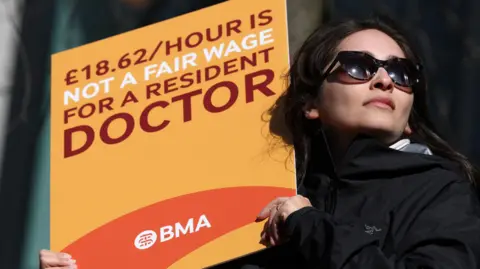
Some hospital trusts have said strike days brought shorter waits, faster decisions and calmer corridors, but the latest walkout has laid bare a harsher question: whether that relief reflects a healthier system or one that is running too thin to function normally.
Resident doctors in England began six days of industrial action at 07:00 on 7 April and were due to continue until 07:00 on 13 April after rejecting a government offer on jobs and pay. NHS employers said the action affects every hospital in England, warning that planned care will be disrupted even though consultants, GPs and other specialist doctors continue working. The dispute has sharpened a long-running argument over staffing, scheduling and whether hospitals are simply operating more safely when routine pressure is forced off the system.
The scale of disruption in previous strikes has already been severe. NHS England said more than 1,015,067 acute inpatient and outpatient appointments had been rescheduled by 25 September 2023 because of strikes, and that the total had risen to 1,333,221 by 10 January 2024. It said 113,779 appointments were rescheduled during the strike that ended on 9 January 2024, and noted that consultants and junior doctors took joint strike action for the first time in NHS history in September 2023. Those figures underline the cost of each walkout, even when some wards briefly feel more manageable.
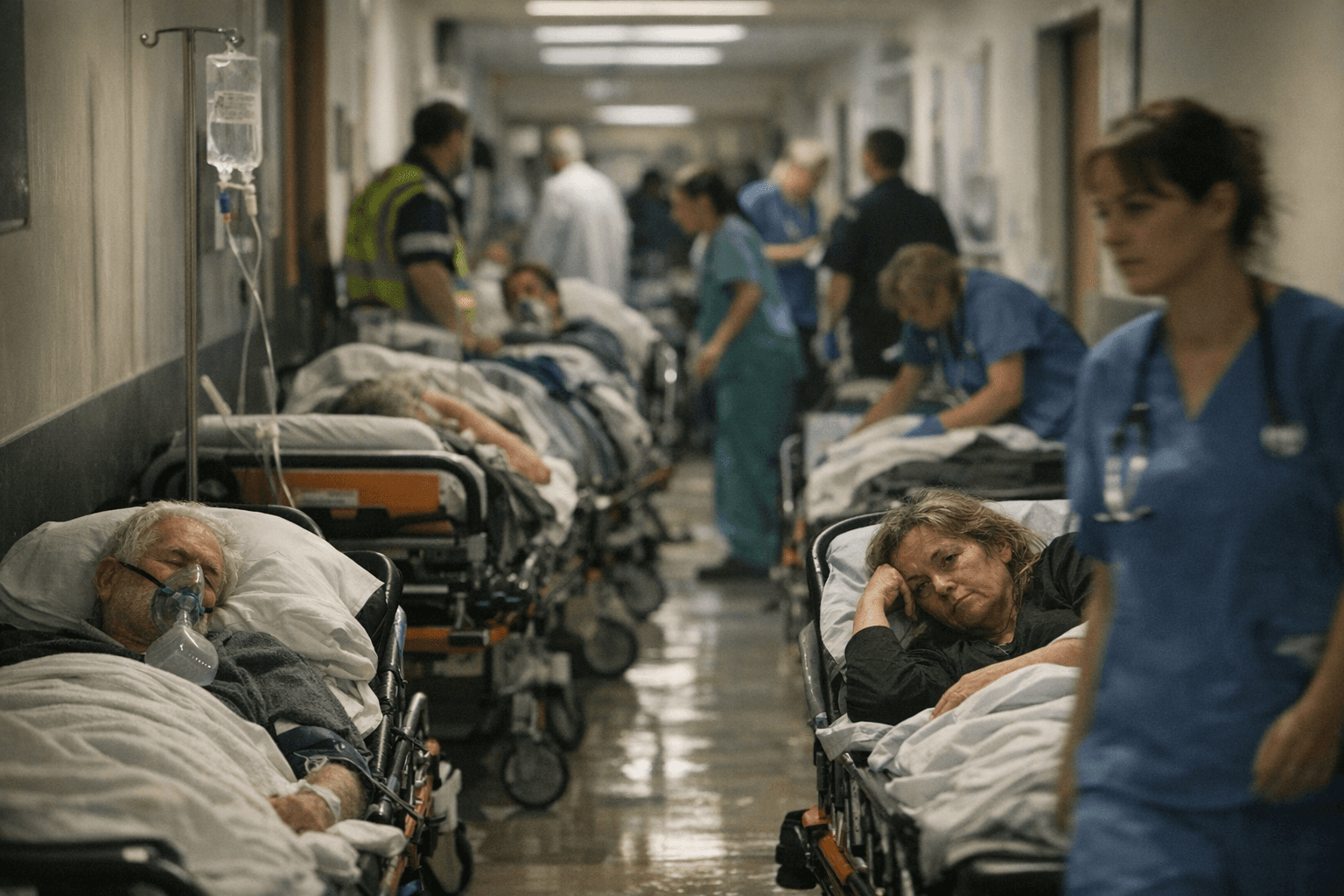
The government has tried to blunt the immediate pressure on emergency care. On 11 April, the Department of Health and Social Care said specialist teams were being deployed to the hospitals most affected by corridor care, alongside 40 new and expanded urgent care sites backed by £215.5 million. Ministers say they want to end corridor care by the end of this Parliament, while Wes Streeting has called it “unacceptable” and “undignified.”
The BMA rejected the government’s offer on 24 March and said ministers had moved the goalposts. The union has argued that doctors need pay restoration and action on jobs as well as pay, while saying the pay review body proposed a 3.5% increase for all doctors, below RPI inflation of 3.6%. The dispute now sits at the junction of morale, staffing and public safety: if hospitals can sometimes look smoother during strikes, it may be because normal NHS running has already been stretched beyond a sustainable limit.
This article was produced by Prism’s automated news system from verified source data, official records, and press releases, then run through automated quality and moderation checks before publishing. The system is built and supervised by the people who set the standards it runs under. Read our full AI policy.
Did this article answer your question?