CDC warns of surging tick bites as Lyme season begins
ER tick-bite visits hit their highest spring level since 2017 in every region but the South Central U.S., with the Northeast leading the surge.

Emergency rooms in the Northeast are seeing the sharpest spring surge in tick bites, and the pattern is spreading into the Midwest as Lyme season begins. The Centers for Disease Control and Prevention said weekly tick-bite ER visit rates were the highest for this time of year since 2017 in every region except the South Central United States, a warning that came as the agency moved into Lyme Disease Awareness Month in May.
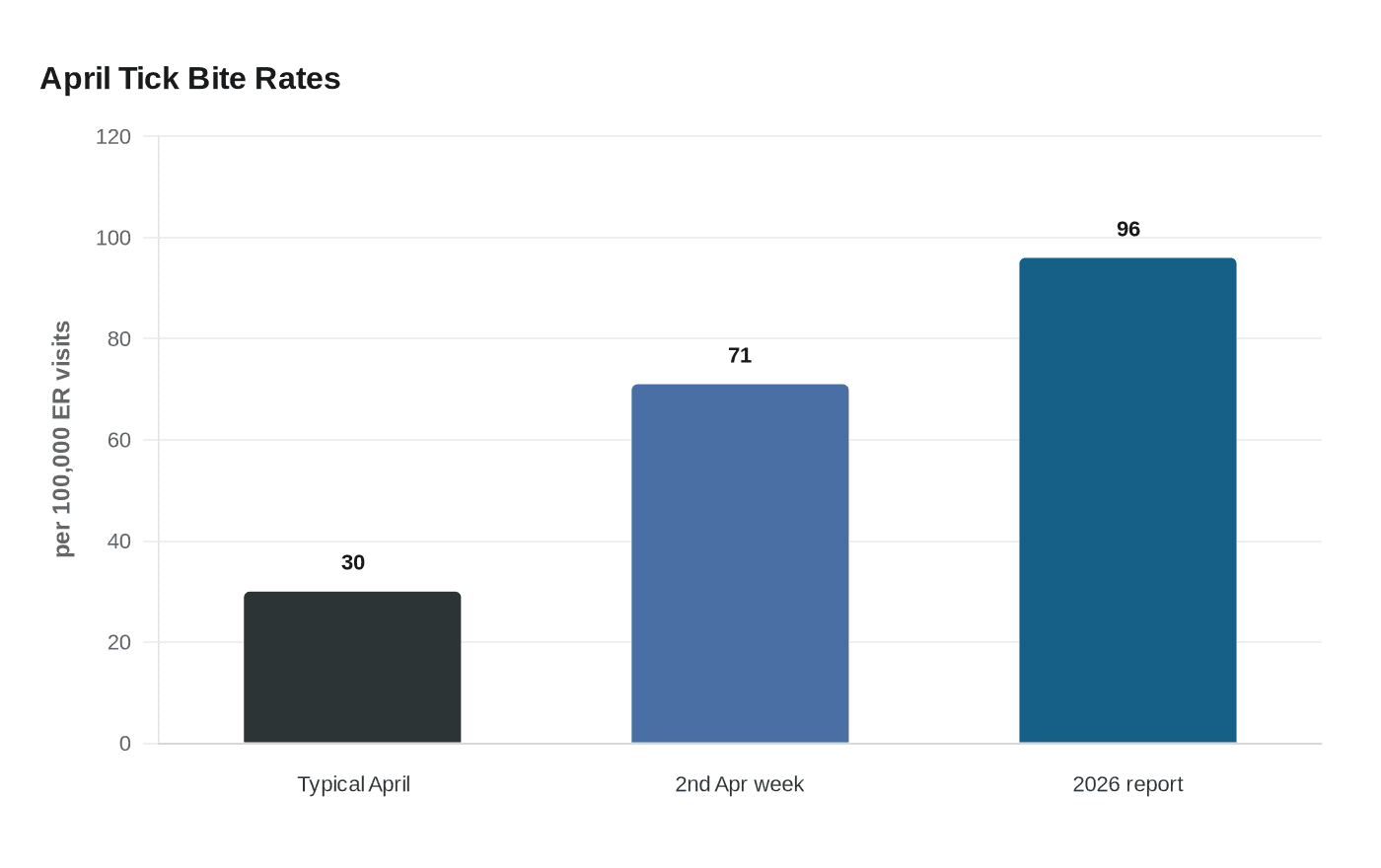
The CDC’s Tick Bite Data Tracker showed the country well above its usual April baseline. In the second week of April, 71 of every 100,000 emergency visits were for tick bites, far above the typical April rate of about 30 per 100,000. Another 2026 report put the April rate at 96 per 100,000 emergency visits. The Northeast had the highest rate, followed by the Midwest, while the Southeast, West and South Central regions stayed below 20 per 100,000.
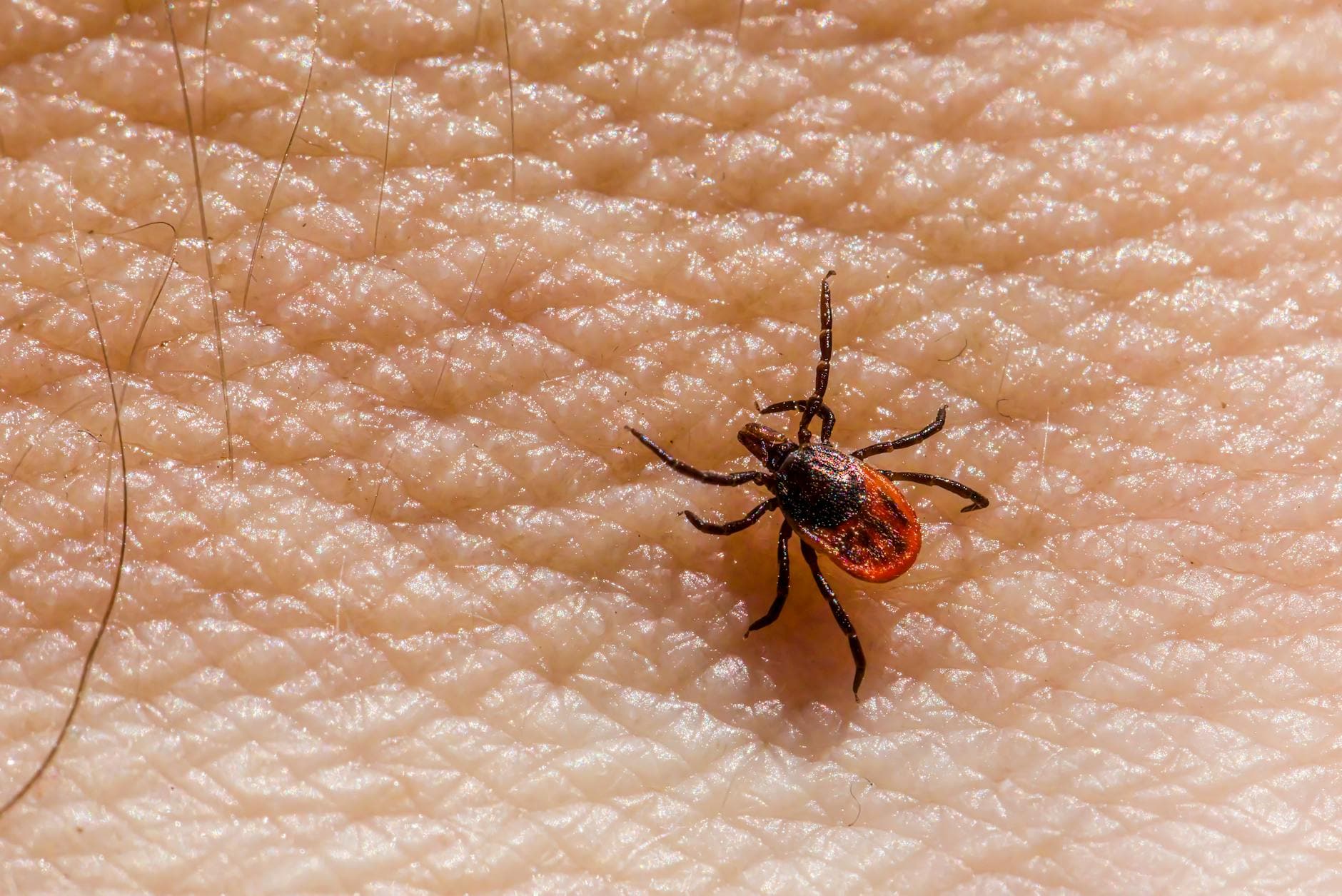
Wisconsin shows how fast the geography of risk has changed. The state recorded 6,469 Lyme disease cases in 2024, the highest on record, after averaging about 4,600 cases a year from 2019 to 2023. The Wisconsin Department of Health Services said reported Lyme incidence has quadrupled over the past 20 years and that the disease, along with the tick species that carries it, has spread from the northwestern part of the state to nearly all areas over the past 35 years. In Dane County, local tick-bite reports have gotten off to a rough start as the season opened.
That spread reflects more than a bad week of weather. Warmer stretches that keep temperatures above freezing extend tick activity, while land use patterns that push homes, trails and fields closer to wooded habitat raise contact between people and ticks. Deer populations also help sustain the life cycle of the ticks that carry Lyme disease, allowing the risk to deepen across suburbs, exurbs and rural edges.
The CDC said an estimated 31 million people in the United States are bitten by ticks each year, and Lyme disease remains the nation’s most common tickborne illness, with an estimated 476,000 patients treated annually. Alison Hinckley, an epidemiologist in the CDC Division of Vector-Borne Diseases, urged people to use EPA-registered repellents, wear permethrin-treated clothing, do tick checks and remove attached ticks as quickly as possible. The CDC said taking off a tick within 24 hours can help prevent Lyme disease, a threshold that matters most when bites happen in the places where the risk is now rising fastest.
This article was produced by Prism’s automated news system from verified source data, official records, and press releases, then run through automated quality and moderation checks before publishing. The system is built and supervised by the people who set the standards it runs under. Read our full AI policy.
Did this article answer your question?


