FDA names Katherine Szarama acting chief of vaccines and biologics unit
Katherine Szarama has taken over FDA’s vaccine and biologics unit as the agency faces key calls on vaccines, gene therapies and public trust after Vinay Prasad’s abrupt exit.
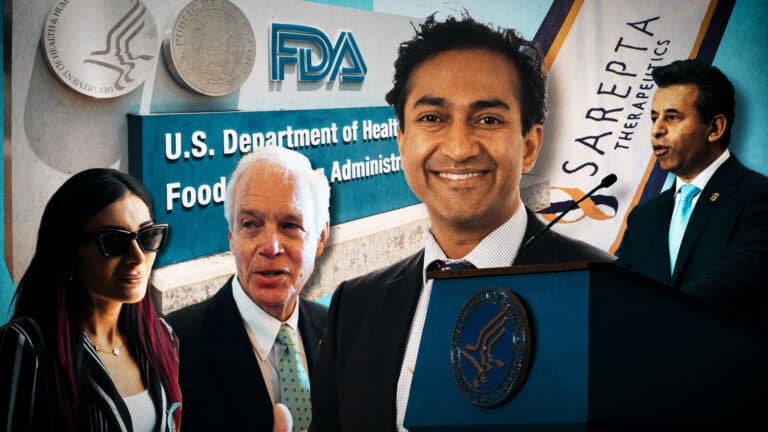
Katherine Szarama has been put in charge of the FDA’s Center for Biologics Evaluation and Research on an acting basis, a move that places one of the agency’s most sensitive regulatory posts in new hands just as major vaccine and gene-therapy decisions loom. CBER oversees vaccines, blood products, and cell-, gene- and tissue-based biological therapeutics, so a leadership change in the Silver Spring, Maryland, center can ripple far beyond Washington and into the pace and credibility of U.S. health policy.
The switch came after Vinay Prasad’s turbulent tenure ended this week. FDA Commissioner Marty Makary had said on April 28, 2026, that no decision had been made on Prasad’s permanent successor and that an announcement was expected in the coming weeks. HHS did not immediately respond to a request for comment. The FDA’s leadership chart dated April 9 still listed Prasad as CBER director, underscoring how quickly the center’s top job has shifted.
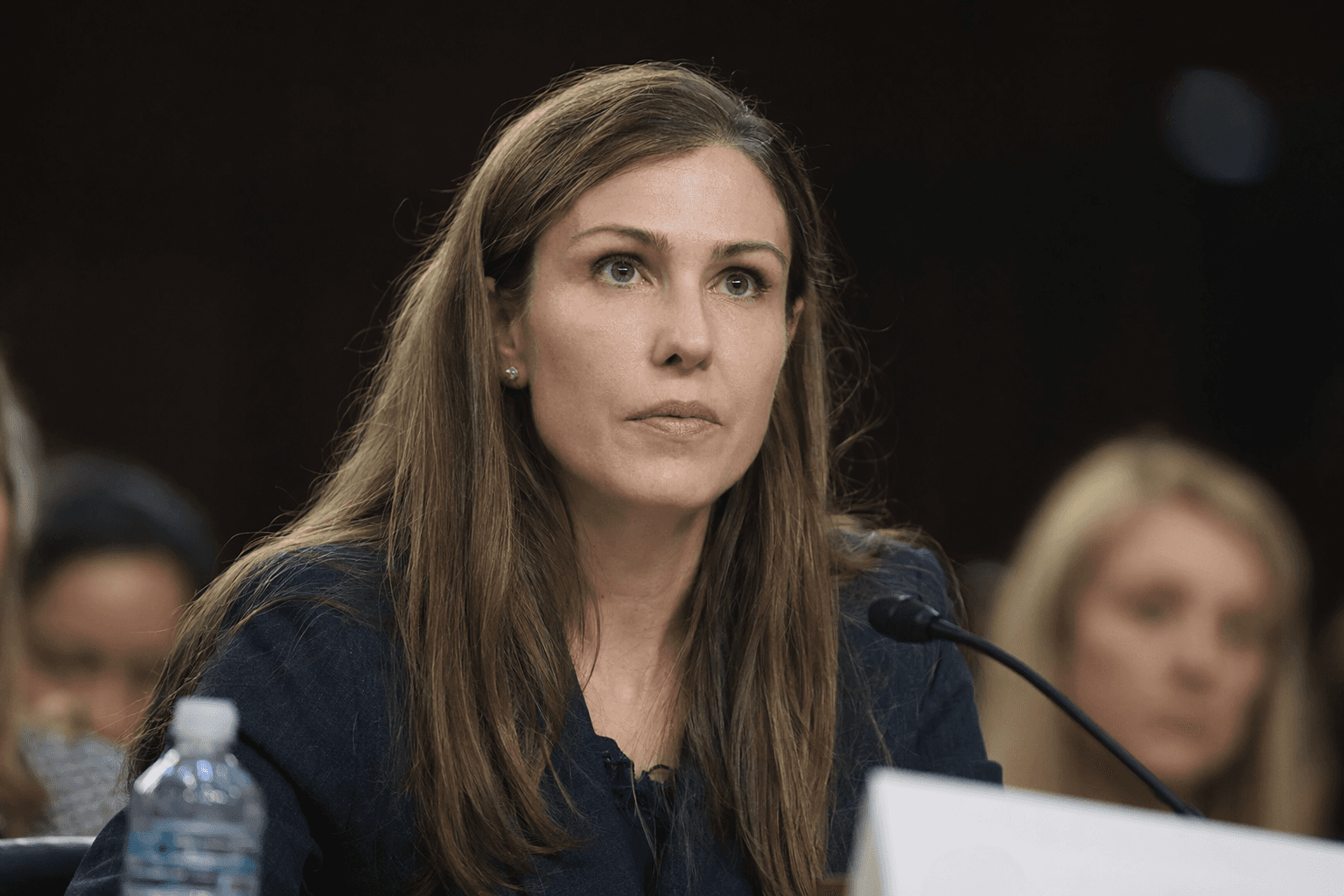
Szarama arrives with a relatively short FDA résumé but with experience across several corners of health policy. She joined the agency in December 2025 as deputy director of CBER. Before that, she worked at the Centers for Medicare and Medicaid Services from 2016 to 2019, and later held roles at Emerson Collective, Arnold Ventures and ARPA-H. That background suggests a mix of federal policy experience and outside strategic work, which could matter as the FDA tries to steady vaccine oversight while navigating pressure from industry, patient advocates and the White House.
The appointment also lands at a moment when CBER’s agenda is active. The center’s 2026 guidance listings include draft guidance issued in April on genome-editing safety assessment and in February on individualized therapies for genetic conditions. Those issues sit alongside vaccine review, blood supply oversight and other biologics work that can move markets for drugmakers and shape access for patients with rare and serious diseases.
Prasad’s own tenure had already drawn intense attention, including disputes over the FDA’s handling of uniQure’s Huntington’s disease gene therapy and wider arguments over whether the agency was being too strict or too permissive with rare-disease treatments. He resigned in late July 2025, was reinstated on August 11, 2025 after the White House pressed the FDA to restore him, and has now exited again. Szarama’s acting appointment signals that the agency is still searching for a stable hand at a center where speed, scientific rigor and public confidence all matter at once.
This article was produced by Prism’s automated news system from verified source data, official records, and press releases, then run through automated quality and moderation checks before publishing. The system is built and supervised by the people who set the standards it runs under. Read our full AI policy.
Did this article answer your question?