Cease-fire frays as Trump and Iran trade fresh strikes
A U.S. Apache helicopter went down near the Strait of Hormuz as Iran and the Trump administration traded fresh strikes, testing a cease-fire already riddled with violations.
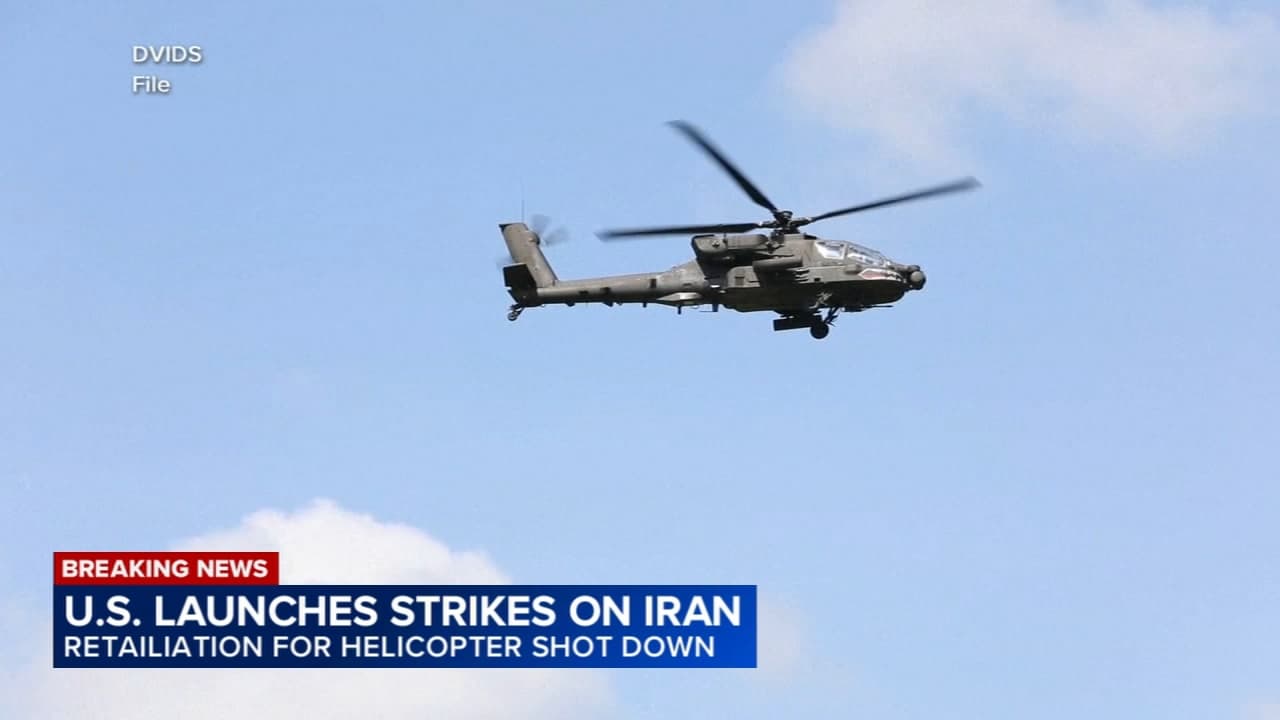
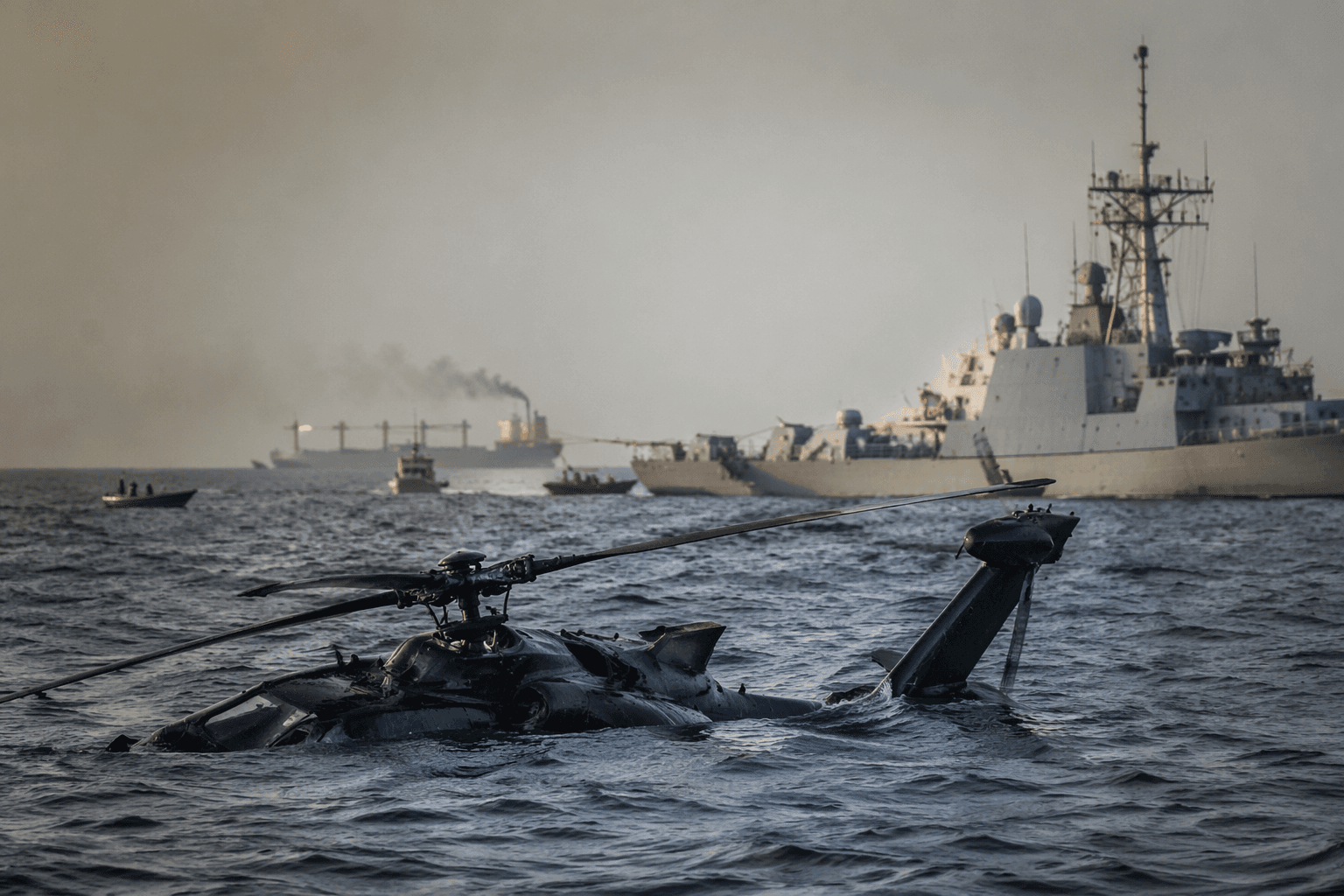
A U.S. Army AH-64 Apache helicopter went down near the Strait of Hormuz after, according to a U.S. official, colliding with an Iranian drone, and two U.S. pilots were rescued uninjured. The crash landed in a region already bristling with missile defenses, base alerts and fresh threats to the waterway that carries petroleum and other commodities to global markets.
The latest escalation deepened a cease-fire that took effect on April 8, 2026, and has been repeatedly violated by both sides. U.S. strikes hit Iranian radar and drone sites, while Iran answered with attacks on U.S. bases in the Gulf region. U.S. Central Command described its strikes as a “proportional response” to Iranian aggression, but the pattern on the ground pointed to something narrower and more dangerous: each side was signaling restraint while keeping the option to hit harder.
Donald Trump warned that the United States would strike Iran “very hard,” accused Tehran of dragging out negotiations on an interim peace deal and said Iran would “pay the price” if it did not accept one. Iranian Foreign Minister Abbas Araghchi responded that foreign military forces near Iran were at constant risk and should leave the region for their own safety. Iranian state media and officials described the cease-fire as increasingly hollow, with some calling it “practically meaningless” after the latest U.S. attacks.
The fighting quickly spilled across the region. Kuwait and Bahrain activated air defenses amid incoming strikes, and Jordan said it intercepted 20 Iranian missiles headed toward an area hosting an American military base. Pakistan said it remained engaged in mediation efforts and still hoped for a negotiated settlement, underscoring that diplomacy was still alive even as the battlefield widened.
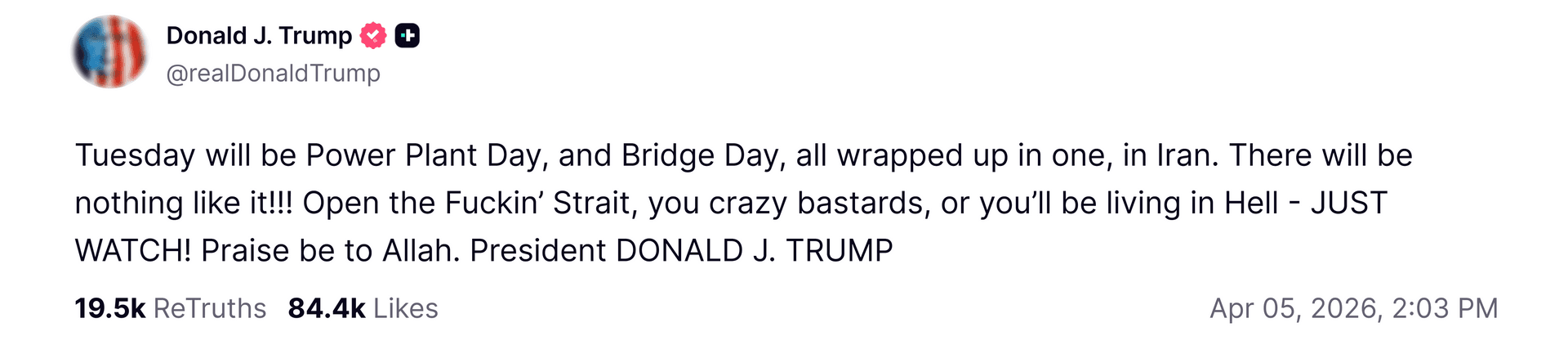
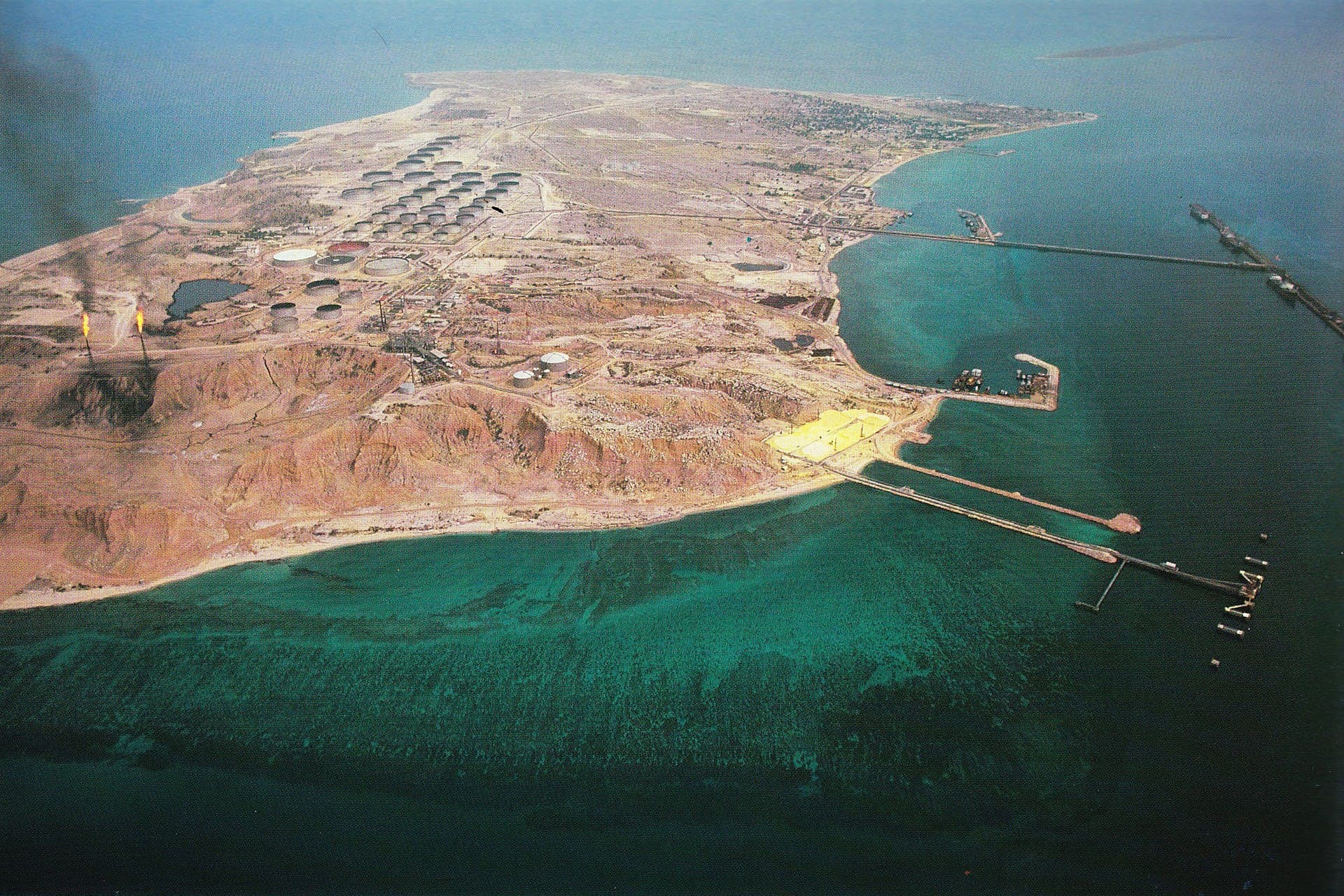
The Strait of Hormuz now sits at the center of the risk. Any disruption there threatens shipping routes that are critical to the world economy and energy supplies, and the latest exchange revived fears that a limited clash could turn into a broader Middle East war. With both Washington and Tehran publicly refusing to blink, the main question is no longer whether the cease-fire exists on paper, but whether either side can keep it from collapsing in practice.
This article was produced by Prism’s automated news system from verified source data, official records, and press releases, then run through automated quality and moderation checks before publishing. The system is built and supervised by the people who set the standards it runs under. Read our full AI policy.
Know something we missed? Have a correction or additional information?
Submit a Tip