Ceasefire Shattered in Gaza as Israeli Strikes Kill Pregnant Woman, Children
A pregnant woman carrying twins and two of her children were buried in Gaza as strikes killed at least 13 people, exposing how little the ceasefire protects civilians.
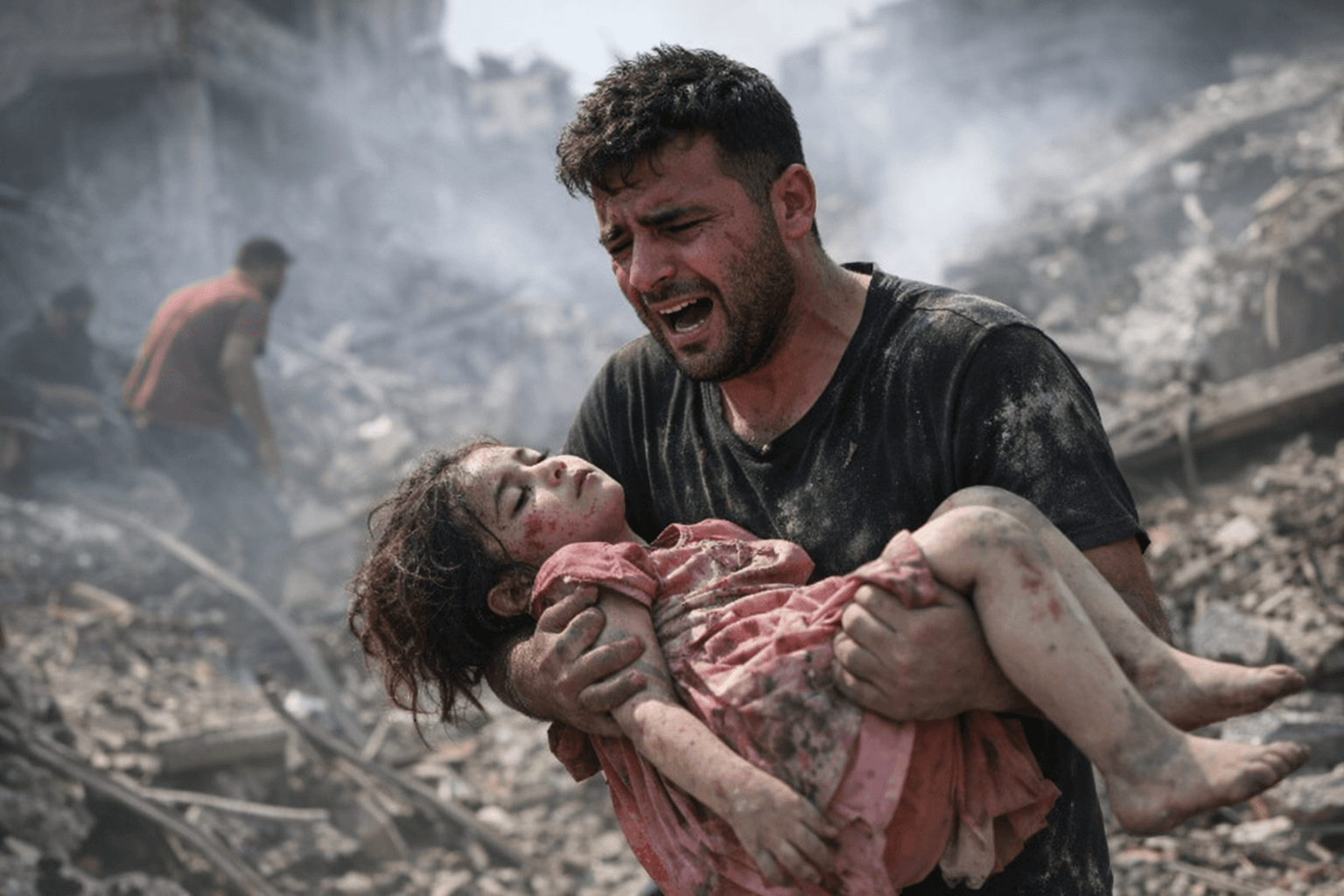
Pregnant with twins, Islam Al-Tanani was buried on Saturday alongside two of her children after Israeli strikes killed at least 13 people across Gaza, a scene that showed how quickly the ceasefire’s promise of civilian protection has collapsed. Mourners gathered at Al-Shifa Hospital in Gaza City, where grief over one family’s losses had become part of a wider pattern of fresh bloodshed.
Khalid Al-Tanani said his wife, Islam, and their children Hamza and Naya were killed in shelling that came without warning. Hamza was 13, Naya was 4, and Hamza’s 13-year-old twin survived, along with one other child. Al-Tanani said he heard one strike, survived it, and then was hit by a second, third and fourth shell. “I found my wife and children martyred when I went back inside,” he said.
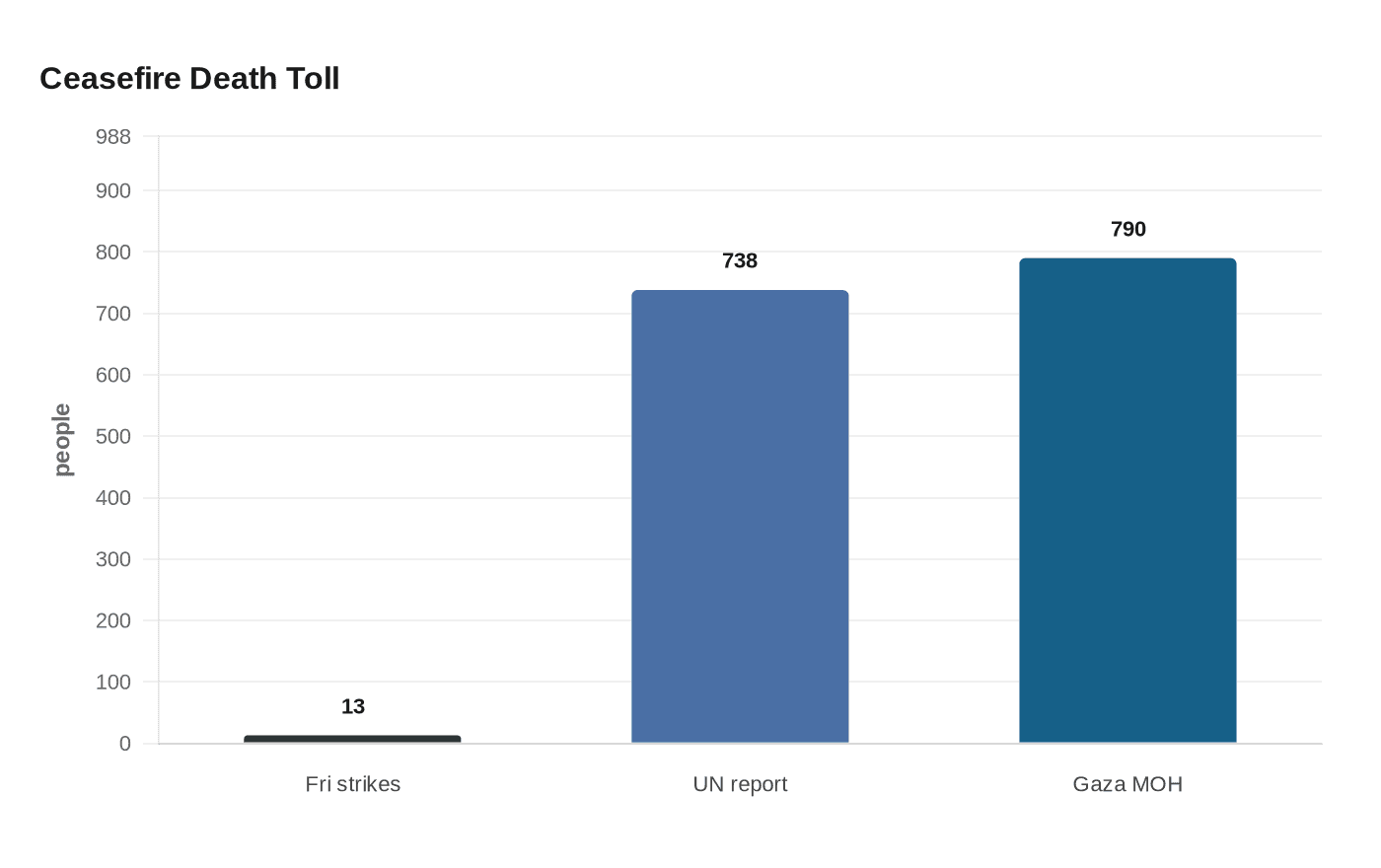
Local hospitals said the strikes on Friday killed 13 people, including two in Gaza City and eight in Khan Younis. Officials at Nasser Hospital in Khan Younis said eight people, including four police officers, died after Israel targeted a police vehicle. Israel’s military said militants had threatened troops and that it warned civilians before an airstrike in Gaza City, but it did not comment on the Khan Younis strike. The clash over those accounts captures the deeper reality in Gaza: Israel says it is hitting armed threats, while Palestinian families say they are being struck with little or no warning.
The violence has continued to tear at a ceasefire that began on October 10, 2025 and has repeatedly been punctured by deadly attacks. The Gaza Health Ministry says more than 790 people have been killed since the truce began, while the U.N. human rights office said on April 10 that 738 Palestinians had died since the ceasefire took effect and that at least 32 more were killed in the first 10 days of April. That office said the dead included women, children, a humanitarian contractor and a journalist, and that Israeli attacks continued in homes, shelters, tents, streets, vehicles, medical facilities and a classroom. It also said Israeli forces kept killing Palestinians near the so-called yellow line, a shifting and poorly marked deployment line. The U.N. has called the ceasefire a “momentous but precarious juncture.”
For the U.S. and its allies, the stakes are now larger than a single night of strikes. Israel still holds the immediate military leverage, but every new civilian death makes the truce harder to defend and weaker as a diplomatic tool. If the fighting widens again, the fallout would further destabilize the region and push the ceasefire closer to being a formality rather than a protection.
This article was produced by Prism’s automated news system from verified source data, official records, and press releases, then run through automated quality and moderation checks before publishing. The system is built and supervised by the people who set the standards it runs under. Read our full AI policy.
Did this article answer your question?


