Celcuity plunges after breast cancer drug data falls short of hopes
Celcuity’s breast cancer data showed a real clinical gain, but the stock still dropped 25% as investors wanted a bigger breakthrough.
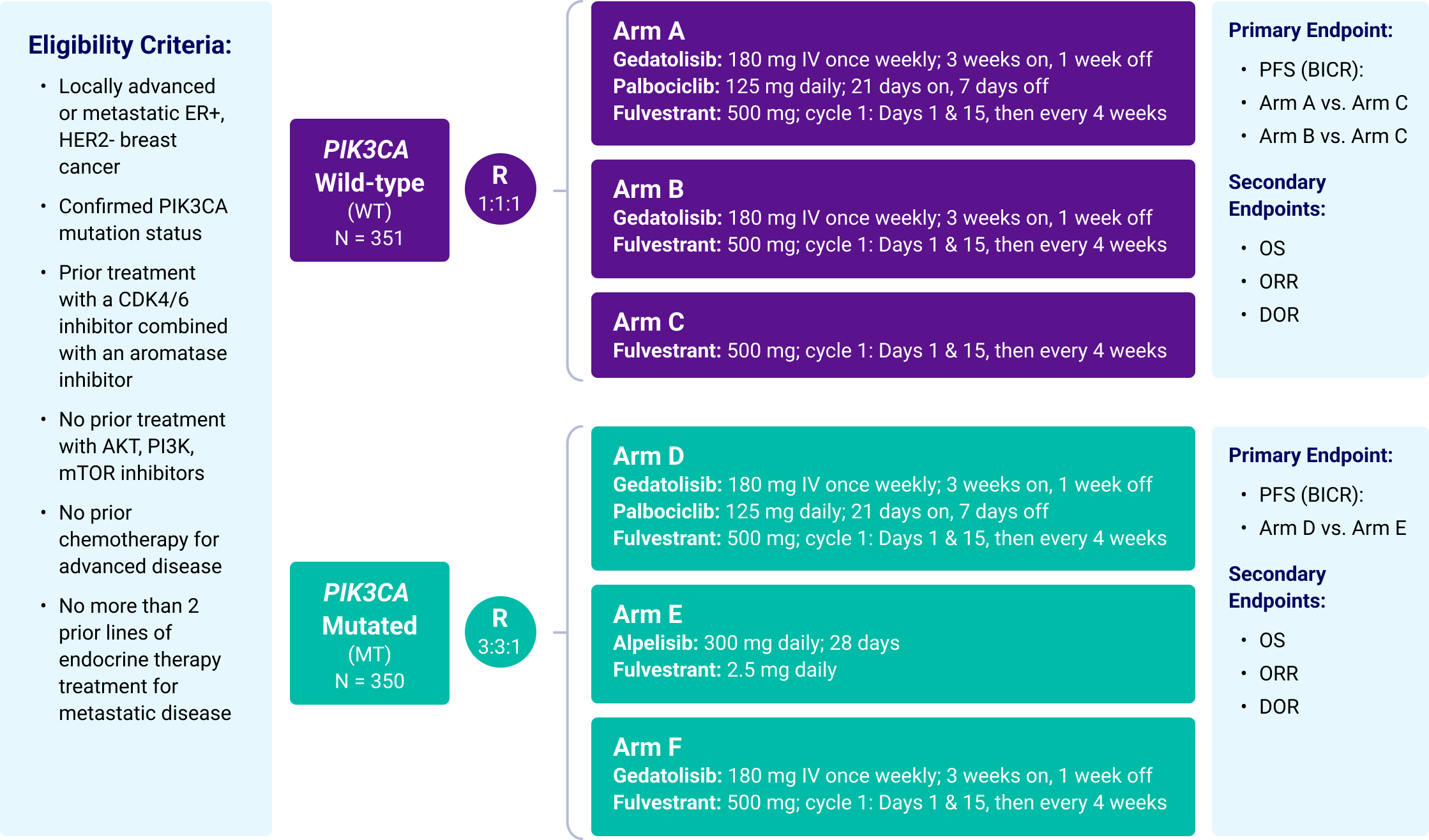
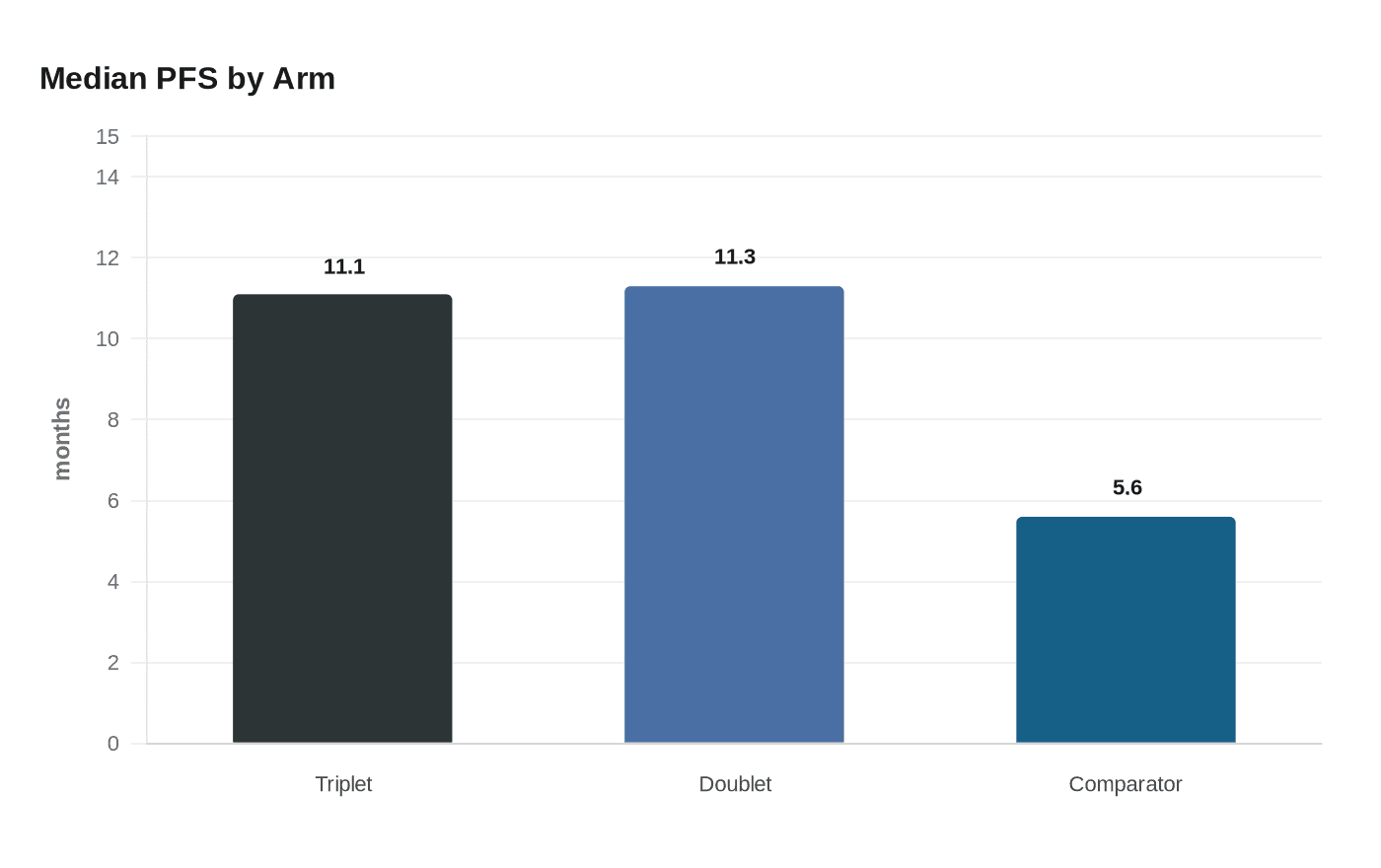
Celcuity shares plunged 25% after the company said its experimental breast cancer therapy helped patients stay ahead of disease progression, but not by enough to satisfy a market that had priced in a bigger win. The decline set up the stock’s biggest one-day drop and came even though the treatment delivered a median progression-free survival of 11.1 months, nearly doubling the 5.6 months seen with the comparison drug regimen.
The data came from VIKTORIA-1, Celcuity’s phase 3 study in patients with locally advanced or metastatic HR+/HER2- breast cancer with a confirmed PIK3CA mutation after progression on a CDK4/6 inhibitor and an aromatase inhibitor. Celcuity said the triplet regimen of gedatolisib reduced the risk of disease progression or death by 50% versus alpelisib plus fulvestrant, with a hazard ratio of 0.50. A gedatolisib doublet also showed benefit, cutting the risk by 49% versus the comparator, with a hazard ratio of 0.51, and posting median progression-free survival of 11.3 months versus 5.6 months.

For many patients, those numbers are not trivial. Advanced hormone receptor-positive, HER2-negative breast cancer often becomes harder to control after standard therapy has failed, and an added several months before the disease worsens can mean more time with fewer symptoms and more room to keep treatment options open. Celcuity also reported objective response rates of 48.9% for the triplet and 35.7% for the doublet, while median duration of response was 15.7 months for the triplet and 24.2 months for the doublet. Safety and treatment discontinuation rates were said to be consistent with previously reported data in the PIK3CA wild-type cohort.
Still, the readout fell short of the stronger signal investors had seen in an earlier, smaller study. Celcuity said that earlier trial enrolled a less heavily treated population, which may help explain why the numbers looked better. The company framed VIKTORIA-1 as the first phase 3 trial to compare two PAM-pathway inhibitors in this setting, and it presented the results at a late-breaking oral session at the American Society of Clinical Oncology annual meeting in Chicago, which ran from May 29 to June 2.
The drug’s commercial path now hinges on regulators as much as on the market’s mood. In January, the U.S. Food and Drug Administration accepted Celcuity’s application for gedatolisib in HR+/HER2-/PIK3CA wild-type advanced breast cancer and set a July 17 goal date. Celcuity said it plans to use the VIKTORIA-1 data in a supplemental application and with other regulators, while also pursuing Breakthrough Therapy and Fast Track-backed expansion beyond the current genetic subset.
This article was produced by Prism’s automated news system from verified source data, official records, and press releases, then run through automated quality and moderation checks before publishing. The system is built and supervised by the people who set the standards it runs under. Read our full AI policy.
Know something we missed? Have a correction or additional information?
Submit a Tip